
Mayo Clinic
-
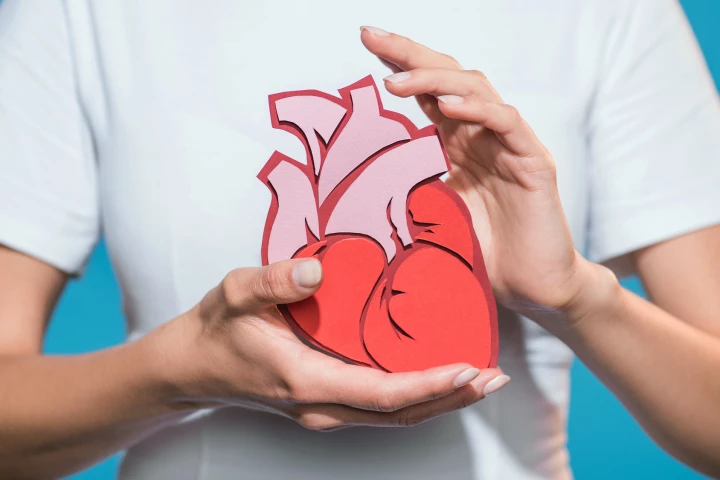 Heart attacks in younger adults aren’t always due to clogged arteries. A new major study reveals striking differences between men and women, with nontraditional causes playing a big role in women’s heart health.
 -
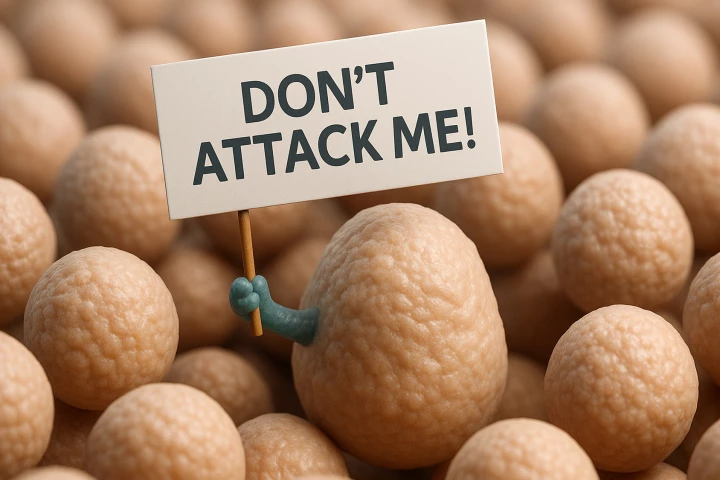 Borrowing a cancer cell’s disguise, scientists shielded insulin-producing cells from attack by the immune system, a breakthrough that could pave the way for targeted type 1 diabetes treatments without whole-body immunosuppression.
 -
 Neighborhoods near golf courses are often considered desirable locations. However, a new study suggests that houses within a few miles of manicured fairways and greens may not be such hot property for your health and wellbeing.
 -
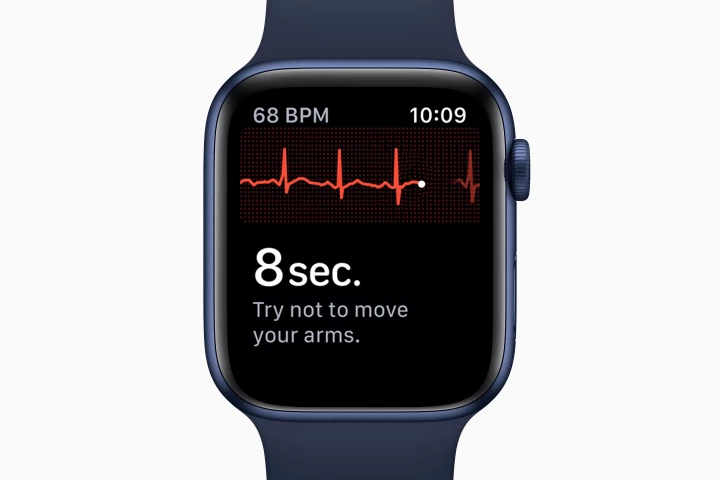 A new algorithm can effectively detect patients with a dangerous heart dysfunction using ECG data gathered by an Apple Watch. A large trial is now currently underway looking to test the clinical utility of the algorithm in one million people.
 -
 Through experiments on mice and humans, Mayo Clinic researchers have shown that an emerging class of drugs called senolytics can help protect against aging and its related diseases, by acting on a protein long associated with longevity.
 -
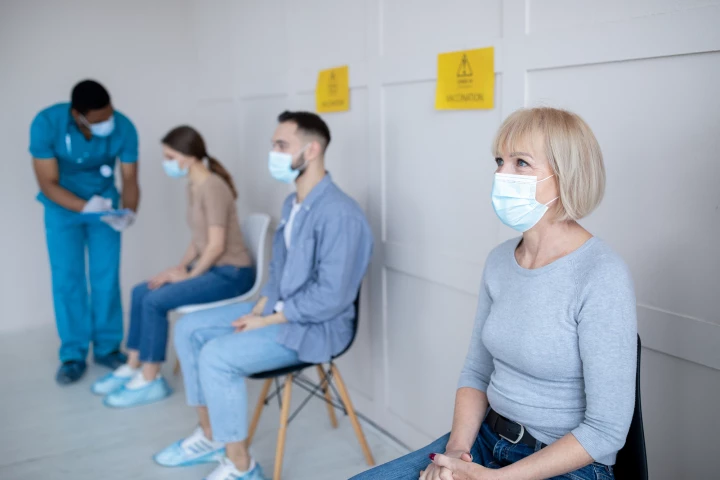 A new peer-reviewed study is suggesting mRNA COVID-19 vaccines can prevent infection and reduce risk of onward transmission. The research is one of several real-world studies looking at the first few months of vaccinations.
 -
 Researchers at the Mayo Clinic have developed a test, called the Gut Microbiome Health Index, that can predict a person’s general health status by measuring the levels of 50 gut microbial species.
 -
 New research from the Mayo Clinic is raising doubts over the hypothesis that "lipid pneumonia" is responsible for the current vaping crisis.
 -
 Researchers from the Mayo Clinic have identified a new target in the battle against dementia and age-related cognitive decline – zombie cells. The study reveals that many pathological signs of neurodegenerative disease can be eliminated by removing these cells from the brain.
 -
 For centuries, various cultures have used clay as a remedy for infections. Now, scientists from Arizona State University (ASU) and the Mayo Clinic have determined that blue clay in particular may indeed be effective at treating infected wounds.
 -
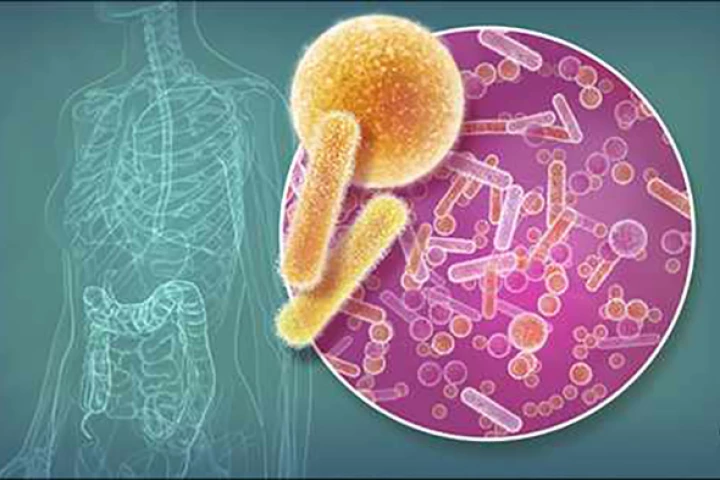 We tend to think of bacteria as bad news, but some types found in our stomaches can bring great health benefits. Now, scientists have discovered a gut microbe that could be used to treat diseases outside the stomach, presenting new territory for these belly-dwelling bacteria.
 -
 While non-invasive approaches such as physical therapy can work for treating fecal incontinence, sometimes the only course of action is to perform a colostomy. That said, Torax Medical has developed another option, in the form of its FENIX Continence Restoration System.
Load More