
Mars
-
 The Artemis II mission, which will return US astronauts to lunar space, has run into problems that have critics demanding NASA remove the crew from the flight for safety reasons. The bigger question is, why do we have astronauts at all?
 -
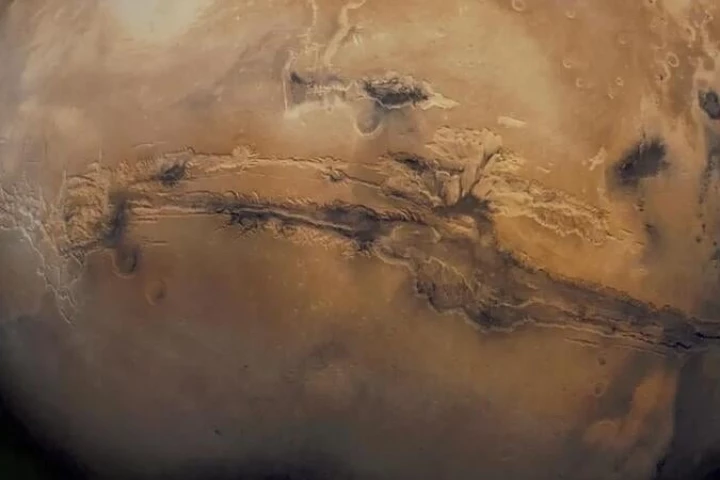 Why did the ice ages occur? If you need a scapegoat, a new study by Stephen Kane of UC Riverside suggests pointing the finger at Mars. According to computer models, the pull of the Red Planet may have altered the Earth's orbit until things got nippy.
 -
 NASA's Perseverance Rover might have made serious headway in its mission to find signs of ancient life on the planet. It's stumbled upon a rock with colorful spots on it, which may have been left behind by microbial life billions of years ago.
 -
 Hoping to push Mars exploration into top gear and do recon for a future crewed landing, AeroVironment has released its concept for a mission consisting of half a dozen autonomous helicopters that would land on the Red Planet under their own power.
 -
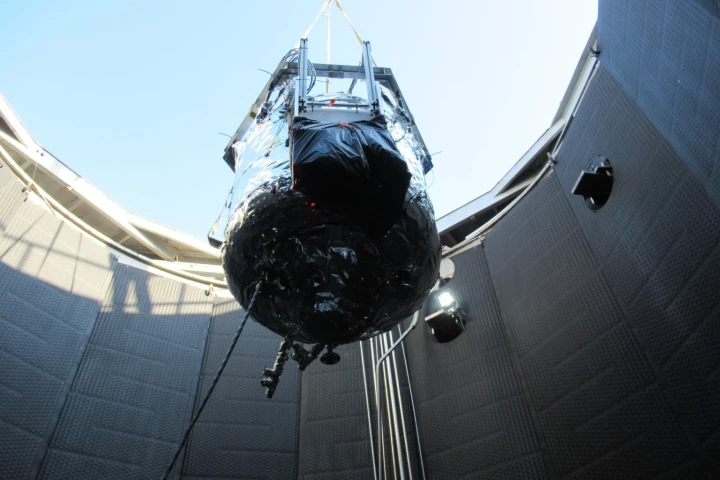 NASA has tested a kind of super-fridge that may hold the key to any future crewed mission to Mars. Without the new cryogenic cooler, a ship to Mars would reach the Red Planet with empty fuel tanks, which would ruin everyone's day.
 -
 New discoveries by NASA's Curiosity Mars rover may not only explain why the Red Planet is a dry, lifeless desert, but that it may have been on an inevitable path to being a dead world despite being so similar to Earth. And the Sun is to blame.
 -
 NASA's beleaguered Mars Sample Return mission may get a reprieve from an unexpected source. Lockheed Martin has proposed a streamlined, lower-cost alternative that could slash the mission’s price tag by more than half.
 -
 The release of NASA's latest budget reveals the Orion spacecraft and Lunar Gateway space station are getting the chop. The US$18.8-billion total figure decreases spending by $6 billion, or 24%, as the space agency increases funding for crewed Moon and Mars missions.
 -
 The question of whether life once existed on Mars may be answered by a new laser instrument from the University of Bern. The device can be carried by a rover to zap samples of the Red Planet to see if they contain traces of microfossils.
 -
 Future space helicopters may benefit as NASA completes history's first interplanetary aircraft crash inquiry. The yet-to-be-released technical report explains why the space agency's Ingenuity Mars helicopter crashed on January 18, 2024.
 -
 Everybody from NASA to David Bowie has wondered if there’s life on Mars – and now we might have a precise place to look for it. A new Caltech study has shown that photosynthetic microbes could thrive in a small habitable zone beneath the ice.
 -
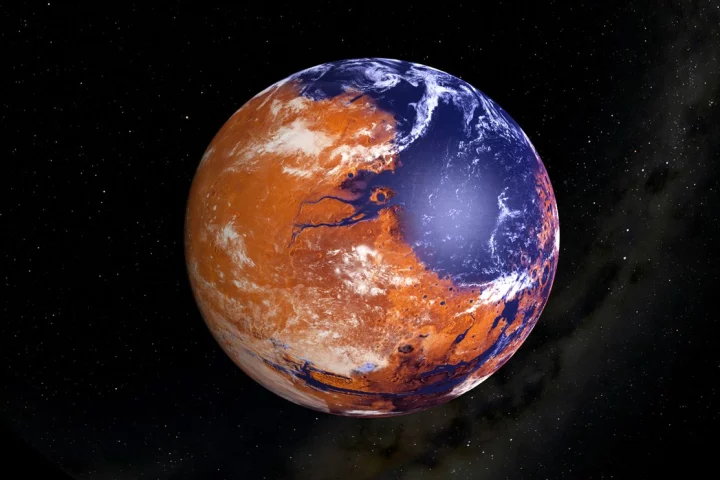 Data from NASA's Curiosity rover collected on Mars is shedding new light on how the Red Planet became uninhabitable in the distant past due to a changing climate that caused the surface water to evaporate or be locked away as ice.
Load More