
Manufacturing
-
 The popular pain-killing drug paracetamol, also known as acetaminophen, has always been made from chemicals derived from environmentally damaging coal tar or crude oil. Now researchers have devised a greener way of producing the drug using wood.
 -
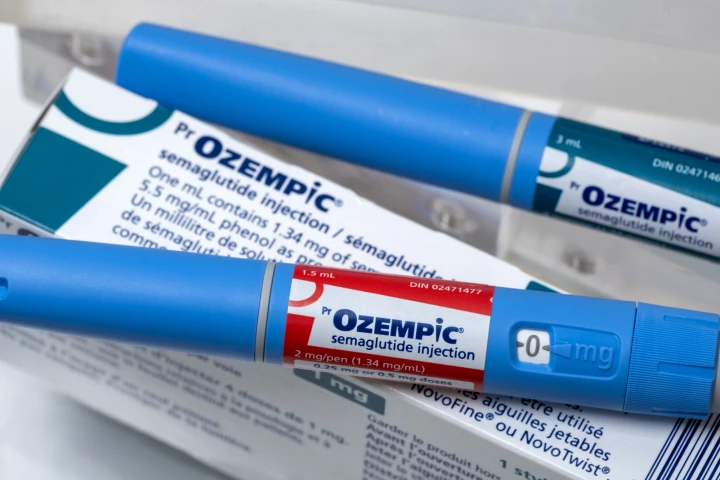 Amid ongoing global shortages of semaglutide, the active ingredient in medical sensations Ozempic and Wegovy, researchers have uncovered a way to make 10 times more of the stuff, producing a therapeutically similar version of the in-demand drug.
 -
 Paracetamol and ibuprofen are among the world’s most common painkillers, but manufacturing them requires crude oil. Now, researchers have developed a more sustainable method, creating the drugs out of waste products from the paper industry.
 -
 ESA’s Materials Science Laboratory-Electromagnetic Levitator (MSL-EML) is headed for the International Space Station (ISS) in June as part of a program to study the casting of alloys in a weightless environment.
 -
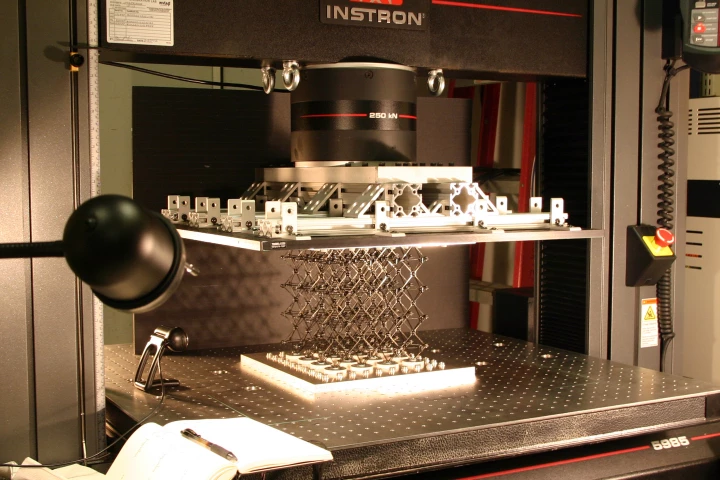 MIT researchers have invented a new digital material whose block like design allows the assembly of huge structures like towers, spacecraft and airplanes by snapping blocks together. Parts can be assembled instead of engineered by small robots crawling over the structure adding pieces of material.
 -
 Australian company Zeo has developed and patented a glue-free process that creates a strong, versatile new building material out of just cellulose and water. The resulting hardwood-like material known as Zeoform can then be sprayed, molded or shaped into a range of products.
 -
 It may consist of only three pieces, but at under a millimeter in size each, we imagine this jigsaw puzzle made at the Karlsruhe Institute of Technology (KIT) is a little on the fiddly side.