
Magnetic
-
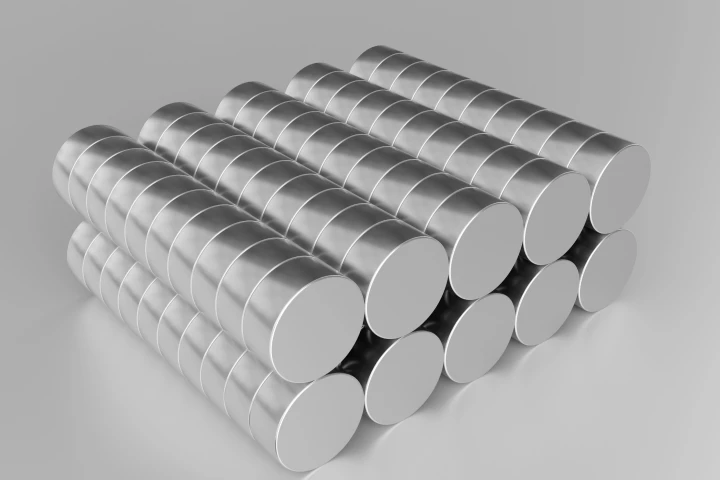 A 13-year-old boy was admitted to hospital after four days of abdominal pain – when he then admitted to doctors that he'd swallowed 80-100 small high-powered magnets. It's the latest in a trend that's more serious that what it may first appear to be.
 -
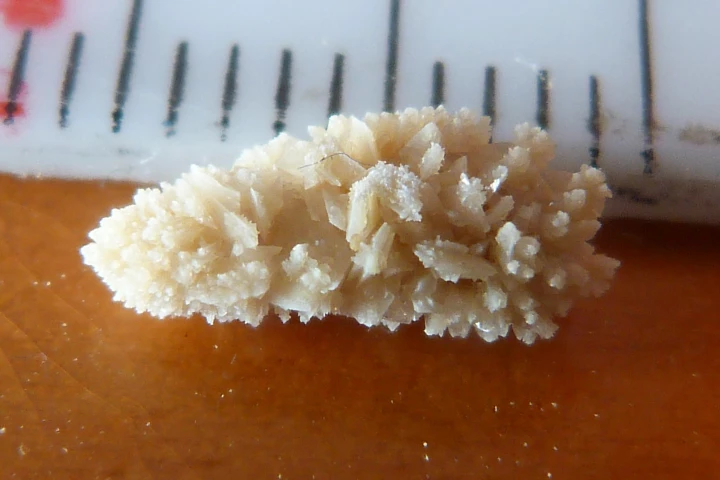 Recurring kidney stones can be an agonizing, debilitating problem, particularly if they can't be treated by orally-administered medication. There may be new hope on the horizon, in the form of a tiny magnetically-steerable stone-dissolving "robot."
 -
 It's never a good thing, when a bacterial biofilm forms on the surface of a medical implant. There could soon be a new way of eradicating such films, however, using tiny remote-control liquid-bodied robots.
 -
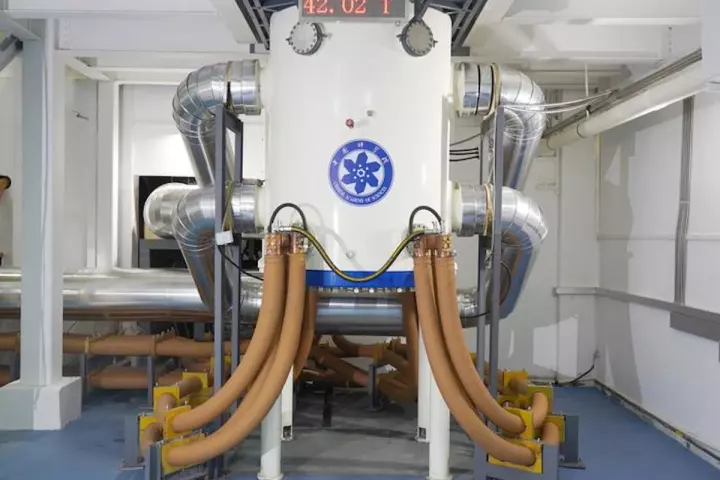 Scientists have developed the world’s strongest resistive magnet, which produced a steady magnetic field of 42 Tesla (T). The system could improve devices that use magnets, as well as enable a range of new experiments that probe electromagnetism.
 -
 The Earth’s magnetic field is vital for life – without it, the Sun’s radiation would sterilize the planet. But a new study suggests we wouldn’t be here at all if that magnetic field hadn’t almost completely collapsed half a billion years ago.
 -
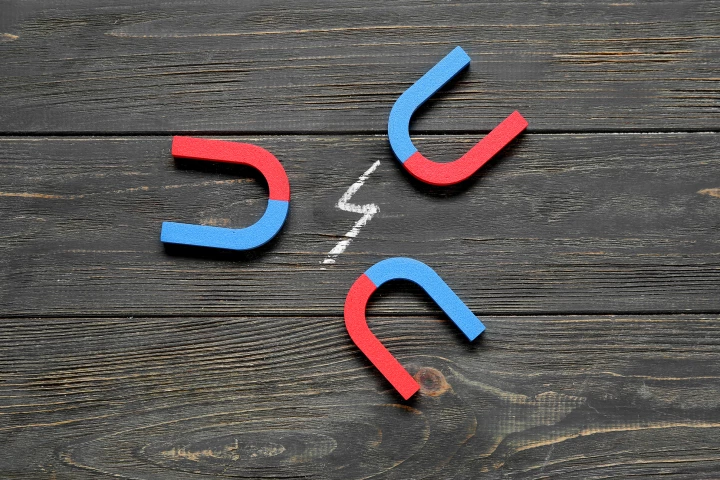 Scientists have confirmed the existence of a strange new form of magnetism. Hiding right under our noses, the team says that “altermagnetism” can be found in everyday materials and could have major technological uses.
 -
 While some blood clots can be removed via a tool that's inserted into the affected vein or artery, others are harder to reach. Those other clots could one day be treated using "millirobots" that auger their way through the patient's blood vessels.
 -
 Scientists at ETH Zurich have discovered a new type of magnetism. Experiments show that an artificially produced material becomes magnetic through a mechanism that hasn’t been seen before.
 -
 Researchers have created a magnet-containing 'workout mat' that simulates the mechanical forces exerted on muscle cells during exercise. It may assist in testing treatments for people with muscle injuries and neuromuscular diseases.
 -
 Astronomers have discovered a new type of star, which could be key to solving a cosmic mystery. This massive helium star has an ultra-strong magnetic field, meaning it could be the preliminary stage of a magnetar, which so far has unknown origins.
 -
 Stanford scientists have found a biological mechanism behind severe depression, and treated it. Signals between two brain regions flow the wrong way in people with depression, but magnetic stimulation reverses them, drastically improving symptoms.
 -
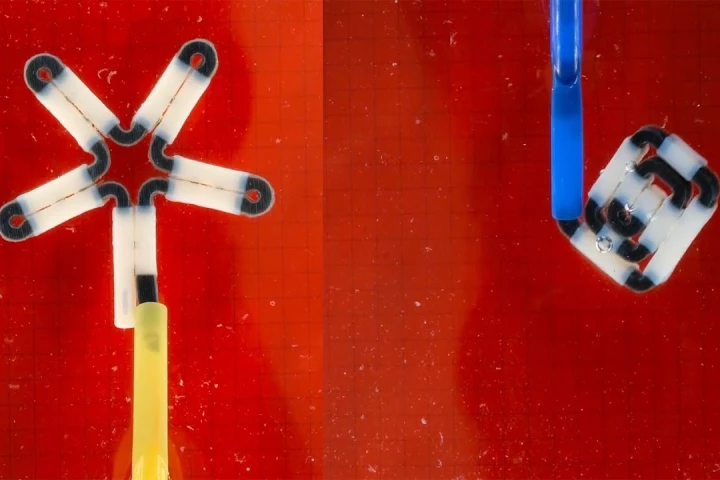 One of the challenges of laparoscopic surgery lies in getting surgical instruments into the patient's body via a narrow catheter. Scientists have set about addressing that problem, with magnetic instruments that pop into and out of shape as needed.
Load More