
Law Enforcement
-
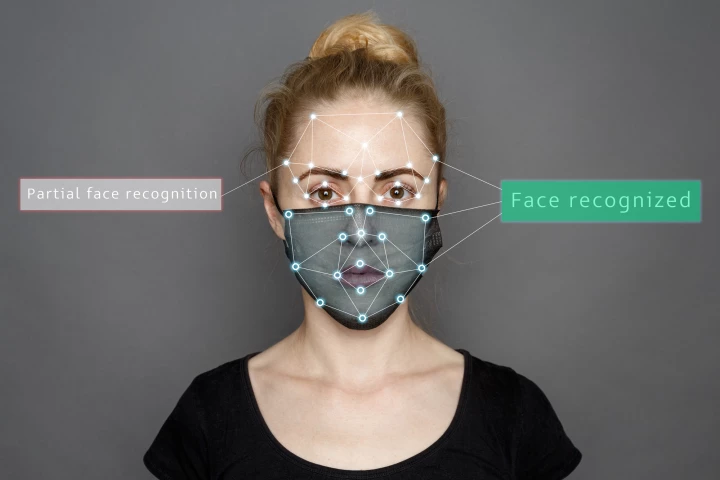 A new study from NIST has tested how accurately commercial facial recognition algorithms can identify people wearing protective face masks, revealing some commercially used systems fail at authenticating masked faces up to 50 percent of the time.
 -
 Despite what we see on TV and in movies, analyzing and matching latent prints is a difficult business and still the province of experts. But now scientists from NIST and Michigan State University are using algorithms and machine learning as a way to automate the process and make it more efficient.
 -
 The FBI, United States Army, and other US agencies are licensing Epic Games' Unreal Engine 3 to develop more realistic training software for their employees.
 -
 A new tourniquet called the abdominal aortic tourniquet is designed to reduce battlefield deaths by restricting blood flow to injured areas.
 -
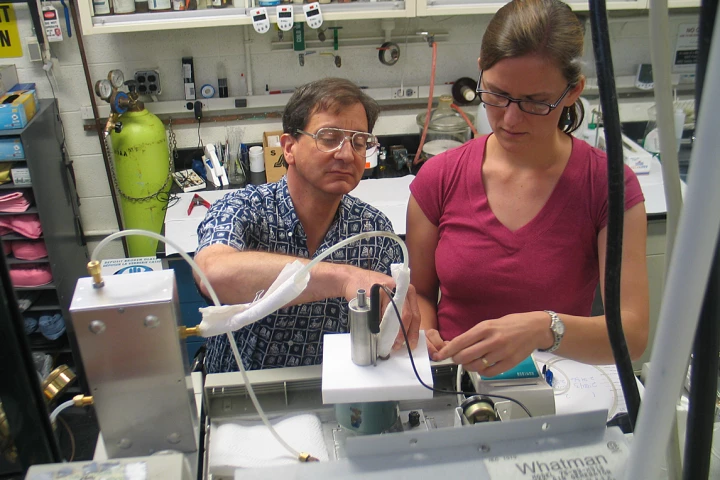 A new forensics device can probe the soil for telltale gases that indicate the presence of buried bodies.
 -
Researchers have developed a lightweight and flexible material that is reinforced with boron carbide - the same material used in armored tanks.
-
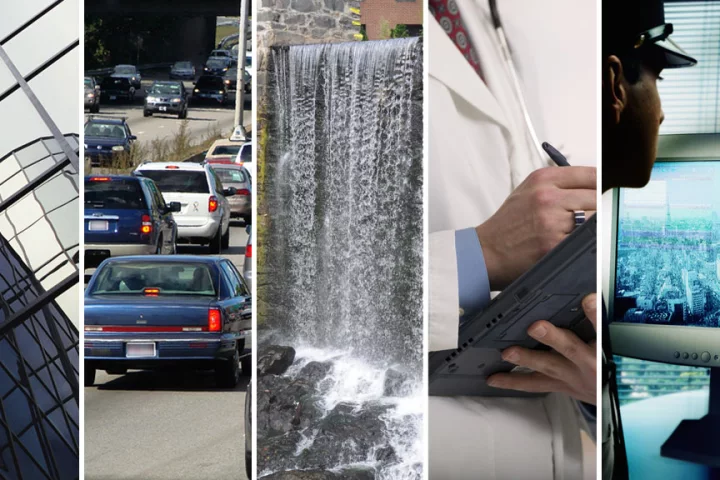 IBM has focused on innovations that have the potential to change how people live, work and play in cities for their fourth annual “Next 5 in 5” list of innovations that they believe will impact our lives in the next five years.
 -
 The AcuNetx HawkEye law enforcement system, which magnifies and records tell-tale signs of drug intoxication in a suspect’s pupils, has been awarded two separate patents by the U.S. Patent and Trademark Office.
 -
 Rolls-Royce has opened a new outdoor facility in the US for testing and prototyping jet engines - including the Trent engines to be used for the Boeing 787 Dreamliner and Airbus A380.