
KIST
-
 While a stethoscope will tell you if someone has a respiratory ailment, it will only share that info in the few minutes it's being used. A new device could paint a much bigger picture, by monitoring the patient's breathing for days at a time.
 -
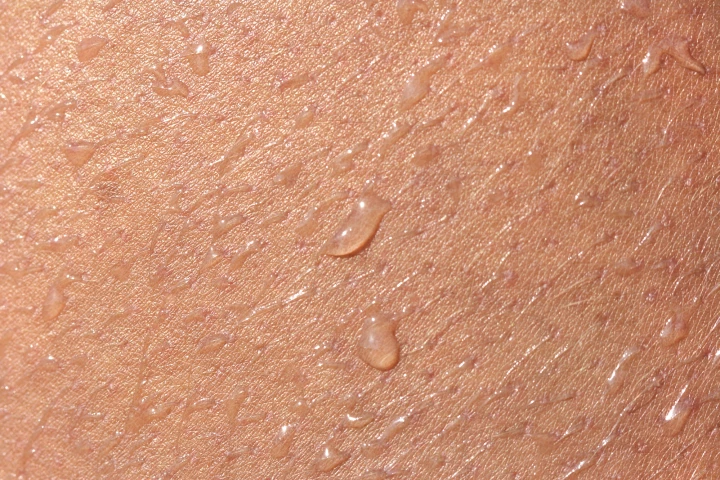 If you don't like getting needles or working out, this new medical wearable may be for you. It analyzes sweat instead of blood, and it doesn't require patients to generate that sweat by performing strenuous exercises.
 -
 When a pacemaker's battery gets low, the whole implant typically has to be surgically replaced. Scientists are therefore developing a noninvasive battery recharging system, which utilizes externally applied ultrasound.
 -
 While brain-implanted electrodes do show promise for applications such as restoring capabilities to the disabled, they tend to lose their functionality over time. A new coating, however, could allow them to work much longer once implanted.
 -
 Octopi are well-known for their grabby tentacles. Now, scientists have developed a material that mimics the sucker discs on those tentacles. It could be used for adhesive pads that are reversible, reusable, fast-acting, and effective even in wet conditions.
 -
 Researchers at the Korea Institute of Science and Technology (KIST) has developed a graphene substitute from plastic that offers the benefits of graphene for use in solar cells and semiconductor chips, but is easy to mass-produce.