
Joints
-
 In a review of more than 200 clinical trials, scientists have identified which exercise offers the most benefits in relieving the symptoms of knee osteoarthritis. It's the most comprehensive look at physical activity in treating the condition yet.
 -
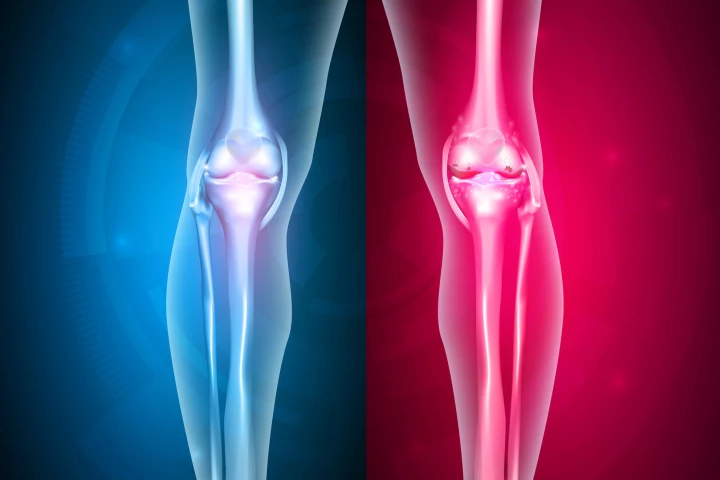 Knee and other joint-replacement procedures can be a major improvement to a patient's quality of life – unless infection sets in. A new method of injecting implants with liquid metal aims to take this harmful side effect out of the equation.
 -
 A squishy cartilage-like material has been developed by researchers at the University of Cambridge. It can be loaded up with either long-term or short-term pain killers that are released when the material senses chemical stress from arthritis.
 -
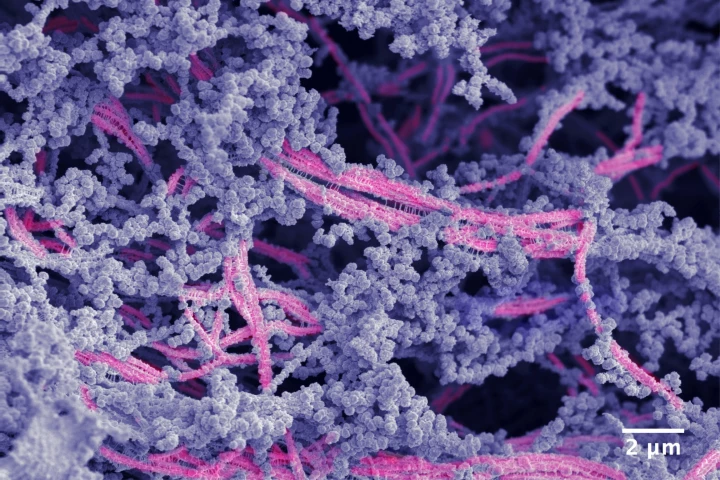 Two innovative new developments have demonstrated that degraded cartilage can be regrown, first with 'dancing molecules' that target the protein needed for tissue regeneration, secondly with a hybrid biomaterial that stimulates cartilage growth.
 -
 A drug currently used as a second- or third-line treatment for those with rheumatoid arthritis has shown huge promise as a preventative, stopping the onset of the debilitating and painful disease in 92.8% of at-risk participants after 12 months.
 -
 For the first time, scientists have found how our internal body clocks that govern the brain and skeletal system sync up, and upsetting this balance might contribute to injury and accelerate age-related bone and joint decline and disease.
 -
 Researchers have developed a 3D organ-on-a-chip that mimics the human joint. The discovery will help researchers understand the pathology of joint diseases better and assist with the development and testing of new treatments for arthritis.
 -
 In a world first, Budapest Zoo gorilla Liesel has received stem-cell therapy for her arthritis. It's hoped that this groundbreaking procedure, which aims to rejuvenate her damaged joint cartilage, will not just help her but be adapted for human use too.
 -
 We hear a lot about artificial hips and knees, but finger joints? They do exist, but their fit and functionality is limited. Germany's Fraunhofer research group aims to change that, with artificial finger joints that are 3D-printed for each patient.
 -
 New data suggests long-term use of non-steroidal anti-inflammatory drugs, such as naproxen or ibuprofen, can be associated with hastened progression of osteoarthritis symptoms. The researchers are cautious to stress the link is still observational.
 -
 The rise of drug-resistant bacteria calls for new approaches to how doctors protect against bone infection after joint replacements, and a potent new form of bone cement is poised to take up the fight.
 -
 Joint pain is a common ailment of aging, thanks to cartilage’s tendency to wear out. Researchers at Duke University have developed a new hydrogel that’s stronger and more durable than the real thing, which could make for longer lasting knee implants.
Load More