
Identification
-
 Your next favorite true crime podcast might have some new forensics jargon to make sense of. Researchers in Australia have developed a new way to identify humans – similar to how we do with DNA – that could come in handy while investigating crimes.
 -
 You may not think of fish as being noisy, but they can actually be a pretty vocal bunch. A new AI system is able to quickly identify specific fish calls within general reef noise, allowing scientists to better track local populations.
 -
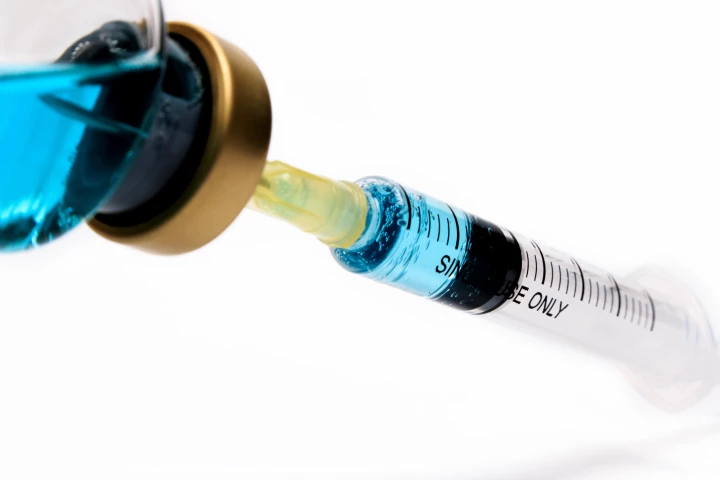 It would be an understatement to say that things can get pretty hectic in a hospital emergency room … enough so that staff occasionally administer the wrong medication. Soon, however, AI-enabled wearable cameras could help keep that from happening.
 -
 In the event of a shark attack, it's very important to determine which shark species was responsible. A new study indicates that readily available medical gauze can be used by first responders to obtain that information.
 -
 Even if a criminal wears gloves, their cast-off DNA may still be present in a room's air. A study suggests that if such material gets sucked up by an air conditioner, it could let investigators know if a suspect has or hasn't been in a certain room.
 -
 While it's important for your dog or cat to have a form of ID in case they get lost, tags can fall off, and microchips can migrate out of place. Japanese scientists are developing an alternative, in the form of quick and painless tattoos.
 -
 Although most of our clothes fold and crease with our bodies as we move, our shoes maintain the same shape and appearance pretty much all the time. With that fact in mind, scientists are now developing a method of catching criminals via shoe ID.
 -
 Even though logging is prohibited in many of the world's forests, that doesn't stop some companies from logging in those areas anyways, then lying about the origins of the timber. Such groups may soon be foiled by the wood's chemical fingerprint.
 -
 Despite protective measures, endangered fish species are regularly caught then sold in open markets. And while visually searching them out can be difficult, a new technology could more easily allow authorities to know which species are being sold.
 -
 Ordinarily, if you want to check if two plants of the same species come from genetically different populations, you have to analyze their DNA. A new study, however, has found that an analysis of their leaves is a much quicker and easier alternative.
 -
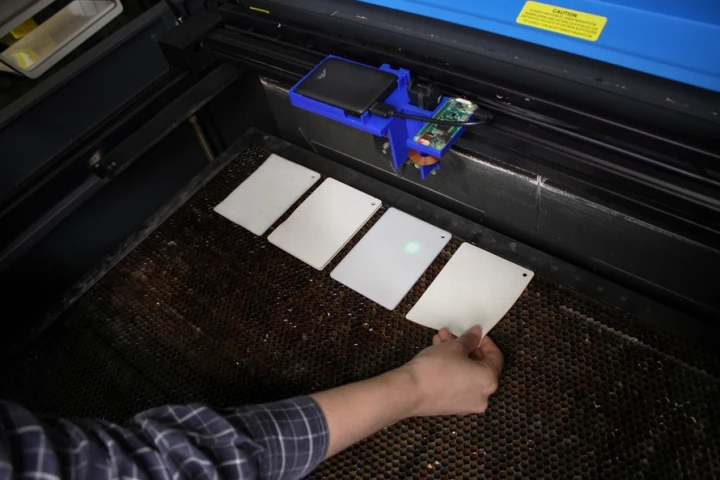 In a busy workshop, it's possible to lose track of what substance a given sheet of material is composed of – making it risky to cut with a laser. SensiCut is designed to help, by identifying 30 different materials based on their surface qualities.
 -
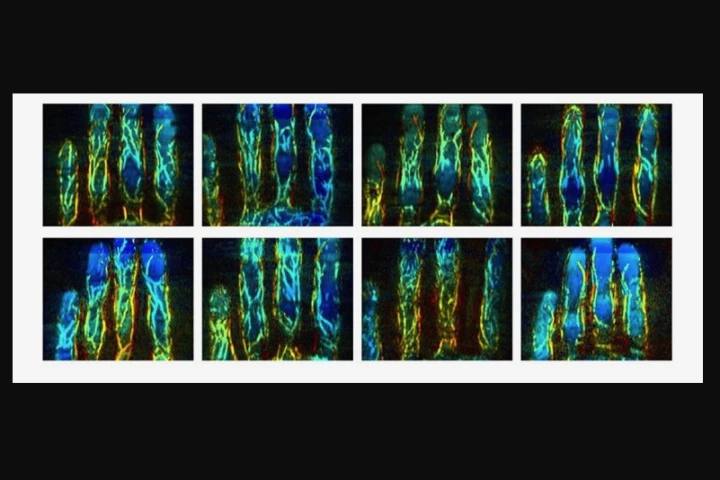 It sometimes seems that as soon as another form of biometric ID authentication is developed, someone devises a way of fooling it. According to its creators, however, a new 3D finger vein-scanning system cannot be duped.
Load More