
Ice
-
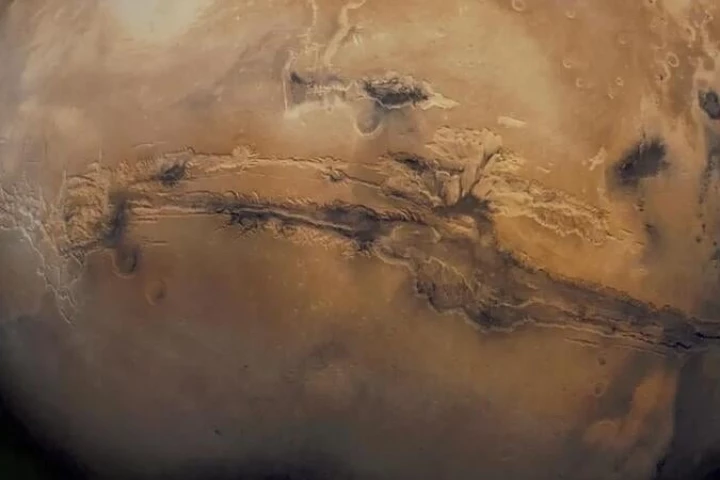 Why did the ice ages occur? If you need a scapegoat, a new study by Stephen Kane of UC Riverside suggests pointing the finger at Mars. According to computer models, the pull of the Red Planet may have altered the Earth's orbit until things got nippy.
 -
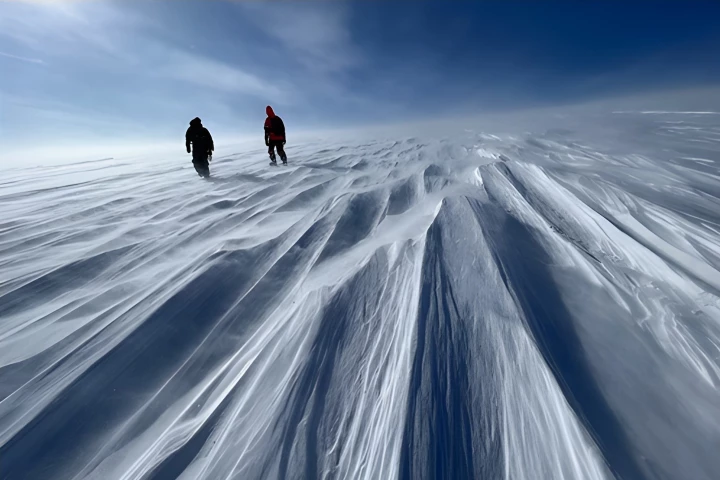 In northwestern Greenland, researchers working on the GreenDrill project have cored through a 500-meter-thick ice dome. They found something startling: the dome completely disappeared 7,000 years ago. And it might do it again.
 -
 Antarctica's ice cores are like frozen diaries of Earth's past. Most continuous records go back about 800,000 years. But in a region called the Allan Hills, a special patch of blue ice holds reveals snapshots dating back as far as 6 million years.
 -
 We think of ice as just frozen water. It is simple, solid. But water is a master of disguise. With just two atoms, hydrogen and oxygen, it can freeze into more than 20 different types of ice. Now, scientists have discovered a new, stranger type of ice.
 -
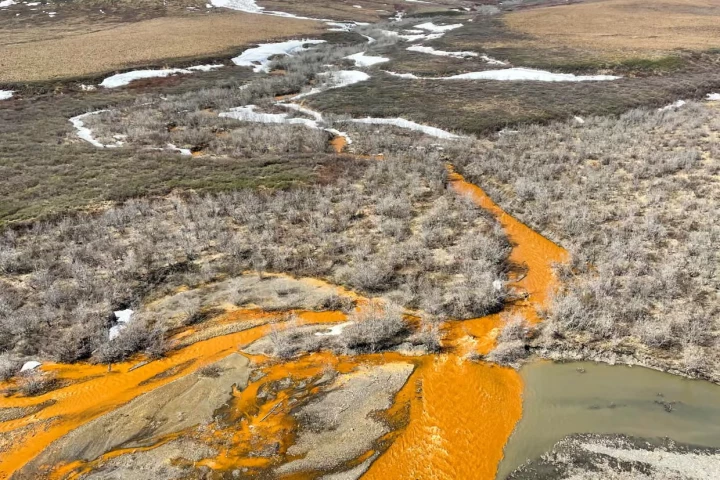 New research flips a long-held belief that frozen environments slow down chemical reactions and helps explain why Arctic rivers are turning orange. It turns out that ice is actually better than liquid water at releasing iron from common minerals.
 -
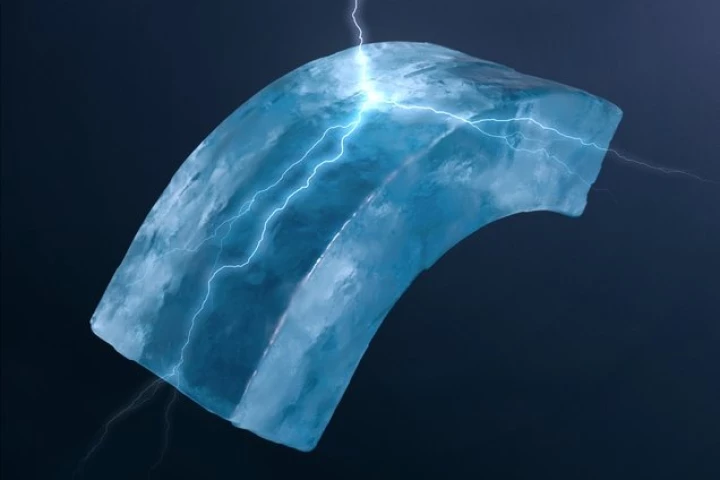 A cool new study with chilly implications from a team led by the Catalan Institute of Nanoscience and Nanotechnology at the Universitat Autònoma de Barcelona (UAB) has shown for the first time that ice can generate electricity in two surprising ways.
 -
 For centuries, glaciers have sat like frosty crowns atop slumbering volcanoes, keeping Earth’s fury tucked safely beneath layers of ice. But now, as climate change accelerates and glaciers retreat, the lid may be lifting, and the heat rising.
 -
 The ice that makes up glaciers isn't 100% solid – it's actually full of air bubbles, some of which formed centuries ago. Inspired by this fact, scientists have developed a method of using bubbles to store coded data in ice.
 -
 Water ice is a far more complex substance than we might assume. Scientists have now created an exotic new form of ice in the lab, known as “plastic ice VII.” This strange version could exist naturally on other planets and moons in our solar system.
 -
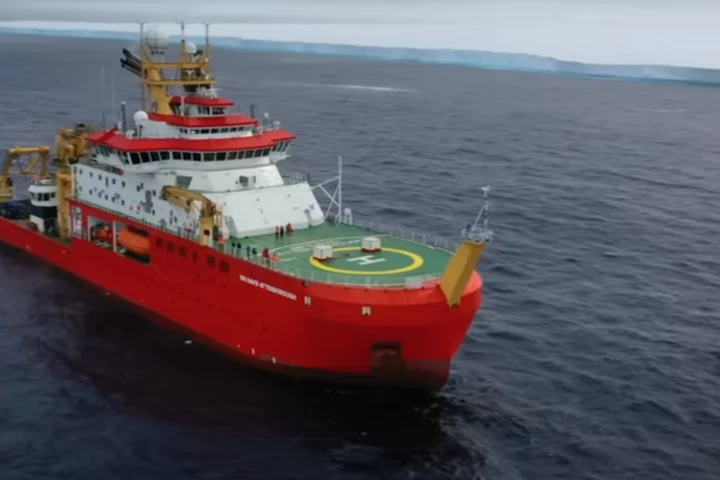 Traffic in the vicinity of Antarctica has become a bit trickier now that A23a, the world's oldest and largest iceberg, has broken free of its watery trap north of the South Orkney Islands and is floating northward on the Antarctic Circumpolar Current.
 -
 Everybody from NASA to David Bowie has wondered if there’s life on Mars – and now we might have a precise place to look for it. A new Caltech study has shown that photosynthetic microbes could thrive in a small habitable zone beneath the ice.
 -
 A massive volcano has been hiding in plain sight on Mars, says new research. Not only is its sheer size noteworthy, but the team believes it might also harbor glacial ice that could be critical for further exploration and Martian settlements.
Load More