
Hygiene
-
 A decade-long study of 35 million Americans in 10 states has found that group A streptococcus infections have more than doubled. What's more, "strep" – which can cause a bizarre flesh-eating disease – has become increasingly resistant to antibiotics.
 -
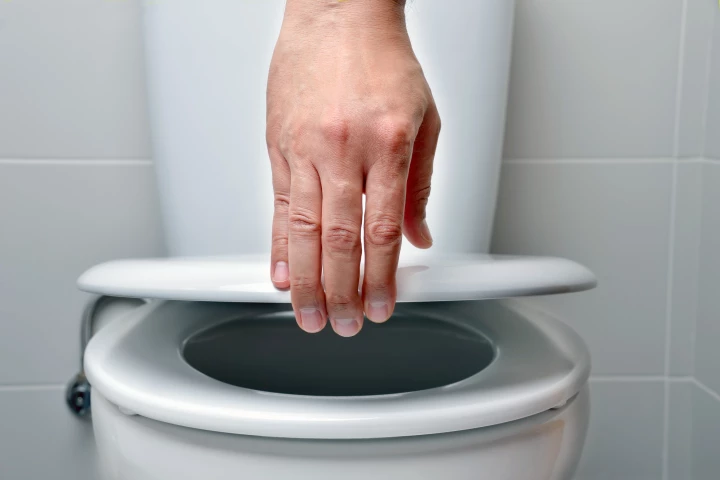 When it comes to toilet etiquette, do you put the lid down before you flush, or leave it up? A new study has shown just what happens when you leave it up – and the results might have you questioning just what you do behind closed doors.
 -
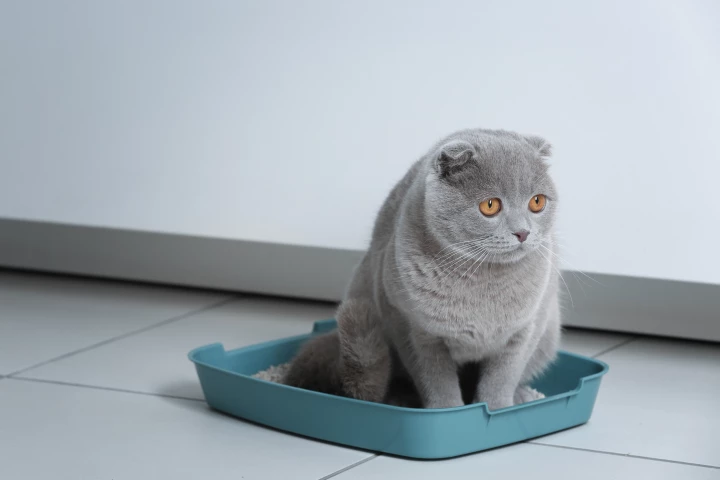 More than 40 million Americans carry this feline-host bug. Now, a new study has linked our immune response to the infection with accelerated physical and cognitive decline. Fortunately, you don't have to throw the cat out with the cat litter just yet.
 -
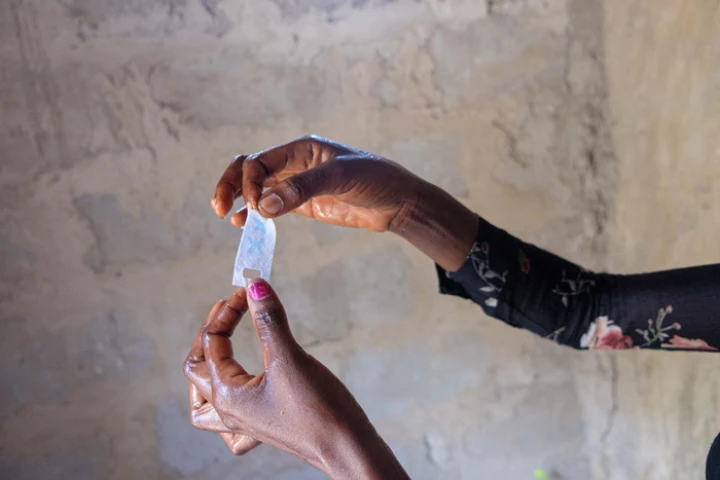 We take soap for granted but in some developing countries it is an unaffordable luxury. Researchers have developed a single-use, biodegradable soap-on-a-tab that may improve public health in areas that don't have access to running water.
 -
 Like many menial tasks, there may soon be a way to outsource brushing your teeth to robots. A new system of microrobots can change shape to form bristles or floss, and don’t just brush plaque away but release antimicrobials to kill bad bacteria.
 -
 The WHO is standing by its recommendation healthy members of the population need not wear face masks to protect against COVID-19. However, some experts are suggesting broad implementation of masks may be useful in curbing viral transmission.
 -
 A new study has found a plaque-identifying toothpaste can potentially lower levels of systemic inflammation – which has been linked to cardiovascular disease, stroke and hypertension – by improving a person’s brushing efficacy.
 -
 New research suggests that some of the dirt you may have eaten as a child could have contained a type of bacteria that strengthens the immune system. The study reveals the bacteria Mycobacterium vaccae can produce a unique anti-inflammatory fatty acid with anti-inflammatory properties.
 -
 The American Dental Association recommends cleaning between teeth at least once per day. Generally, this is done using a strand of dental floss. Though important, it does take time. What if you could floss all your teeth in one bite? That's what Blizzident is promising with its 3D-Flosser.
 -
 It might be time to stop using antimicrobial hand soap. According to a consensus statement signed by over 200 scientists and medical professionals, there’s no evidence that so-called antimicrobial chemicals do anything to prevent illness, and they might be harming your health and the environment.
 -
 It's hard to imagine cavemen taking a great deal of pride in their teeth, but new research suggests our fussiness with oral hygiene has some pretty deep roots.
 -
 Did you know that the superabsorbent polymers used in sanitary napkins can take up to 500 years to degrade? Those polymers can also cause toxic shock syndrome. Now, however, scientists have developed an alternative which they claim is more environmentally-friendly, safer and more effective.
Load More