
Hydroponics
-
 While hydroponic farms do allow a lot of plants to be grown in a small space, they would be a better alternative to traditional farms if those plants grew faster. That may soon be the case, thanks to the development of electrically conductive eSoil.
 -
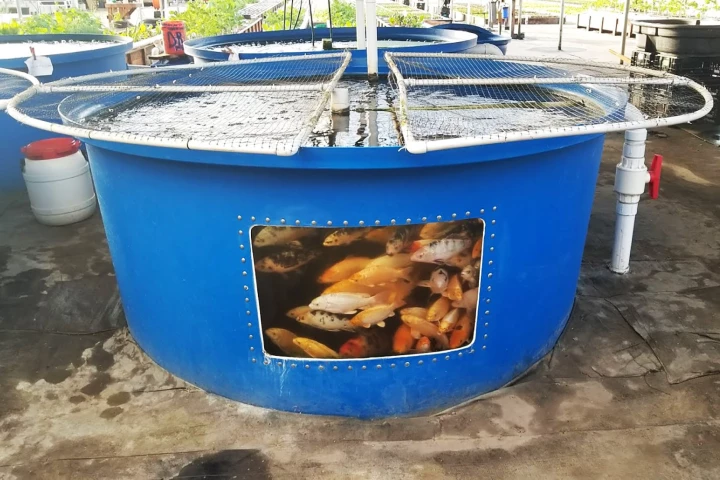 Aquaponics operations combine aquaculture and hydroponics, with nutrient-rich water from the former being used to fertilize plants in the latter. Soon, such systems could also be powered by methane biogas derived from their own fish feces.
 -
 As compared to traditional agriculture, hydroponic farming uses less space and less water, plus it requires no soil. It still does require a growth medium, though – and scientists have recently created a better such medium, derived from human hair.
 -
 In an effort to make space gardening less time consuming, NASA is teaming up with Tupperware Brands and the technology company Techshot to improve the current experimental hydroponics system used aboard the station.
 -
 The International Space Station (ISS) was the scene of an historic lunch this week with the crew members of Expedition 44 dining on the first meal harvested in space. The dish, which consisted of red romaine lettuce, is part of an effort to feed tomorrow's deep-space travelers.
 -
 The ECO-Cycle Aquaponics Kit combines aquaculture and hydroponics, in a system that lets users grow plants and clean their aquarium's water.
 -
 Designers have completed the largest and most biologically diverse living wall in Surrey, British Columbia for Semiahmoo Public Library and RCMP Facility with a design covering nearly 3,000 square feet and consisting of over 10,000 individual plants.
 -
 The Volksgarden is an indoor hydroponics carousel with space for you to grow up to 80 plants at once. Herbs, vegetables, fruits and grains can be grown easily and harvests are said to three-to-five times greater.