
Hydrogels
-
 A squishy cartilage-like material has been developed by researchers at the University of Cambridge. It can be loaded up with either long-term or short-term pain killers that are released when the material senses chemical stress from arthritis.
 -
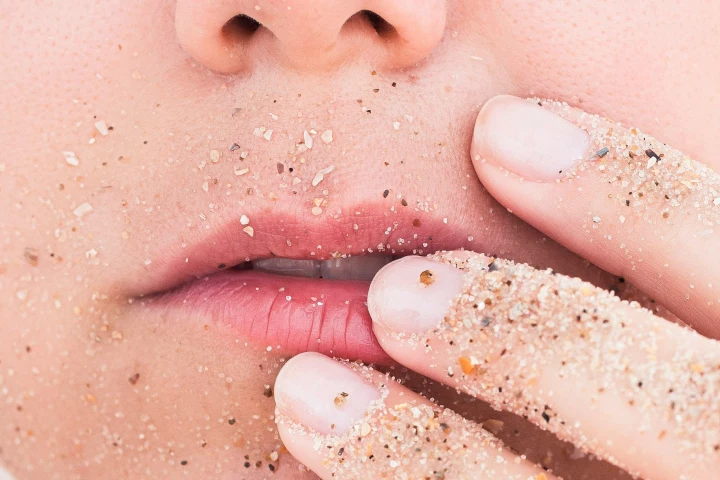 You might be familiar with dry mouth from partaking in a certain kind of recreational substance (or you might not be, we're not judging), but the condition can actually have verifiable medical causes. A new gel-based blob could be a great cure.
 -
 Babies and small children are prone to middle ear infections, which typically have to be treated with orally administered antibiotics. A new fast-acting topical gel could soon replace such drugs, however, potentially reducing unpleasant side effects.
 -
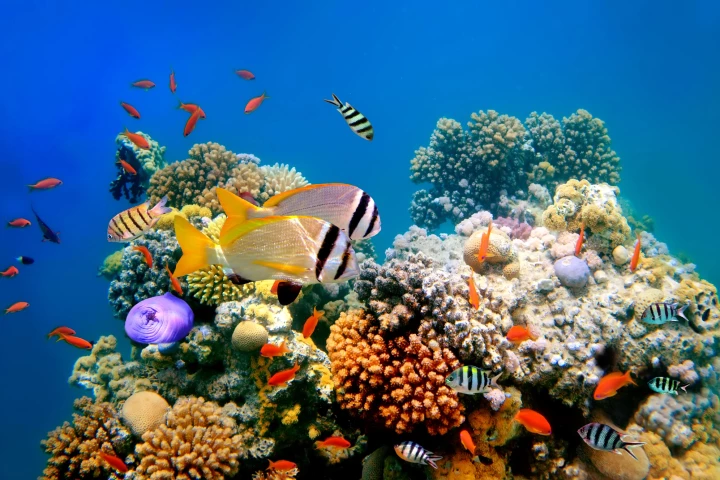 If you're hoping that reef-restoring coral larvae will settle down in damaged reefs, you can't just sit around and wait for it to happen. You have to get out there and entice the larvae, which is exactly what a new algae-based gel is designed to do.
 -
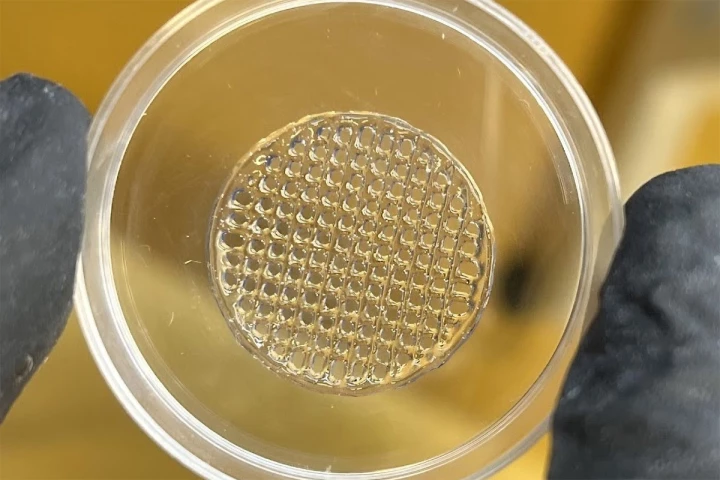 While we're making progress in phasing out animal testing in the cosmetics industry around the world, there's still a ways to go in developing reliable alternatives. 3D-printed 'imitation skin' could be the ticket.
 -
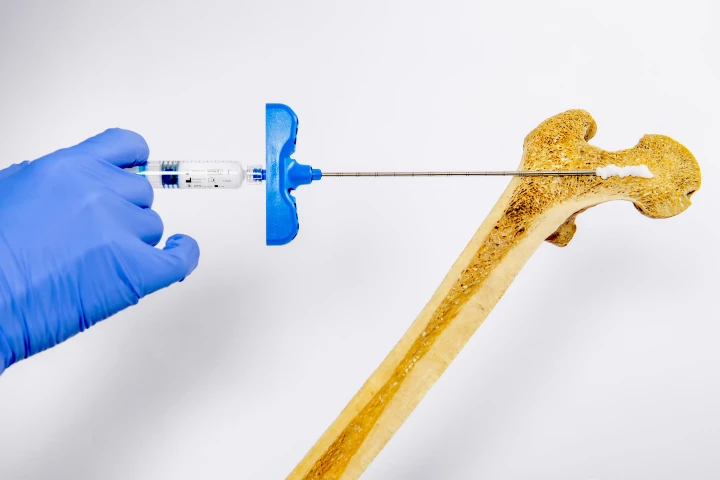 Osteoporosis is typically treated with orally administered drugs, which may take up to a year to have a noticeable effect. A new injectable hydrogel, however, is claimed to drastically boost bone density in as little as two weeks.
 -
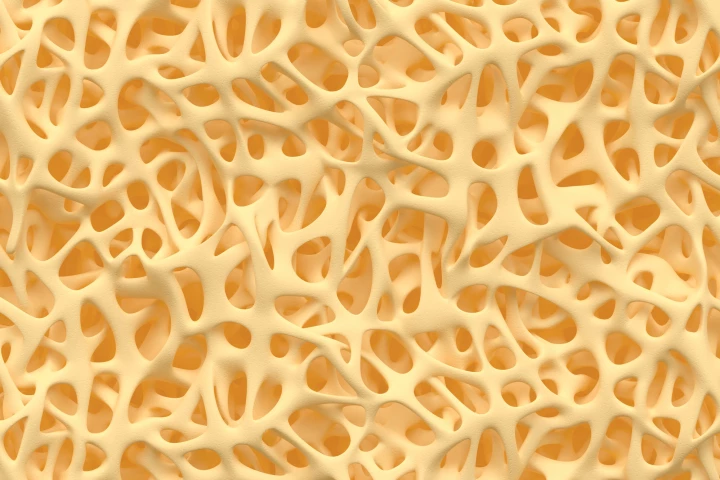 Whether they're caused by injury or other factors, missing sections of bone can be quite difficult to replace. A new injectable hydrogel could change that, however, by transforming into a bone regeneration material when exposed to visible light.
 -
 A new injectable, temporary pacemaker could help correct a heart arrhythmia in an emergency. This nanoparticle gel can regulate the heart’s electrical signals for up to five days before dissolving harmlessly in the body.
 -
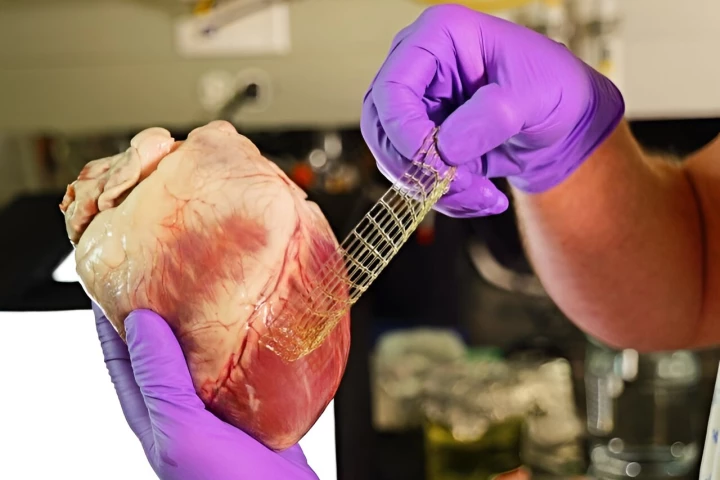 A new medical 3D-printing method has been developed that takes its cues from the way tangles of worms interact in nature. The resultant material produced could patch up leaky heart parts or stabilize spinal discs, among other applications.
 -
 Scientists at the University of Texas at Austin have developed a “smart soil” that can keep plants better hydrated and provide a controlled release of nutrients. In tests it drastically improved crop growth while using far less water.
 -
 The magnetometer found inside your cellphone acts like a traditional compass to help you navigate your surroundings. Now, researchers are using it to map human biology, and it could ultimately make managing diabetes a lot cheaper and easier.
 -
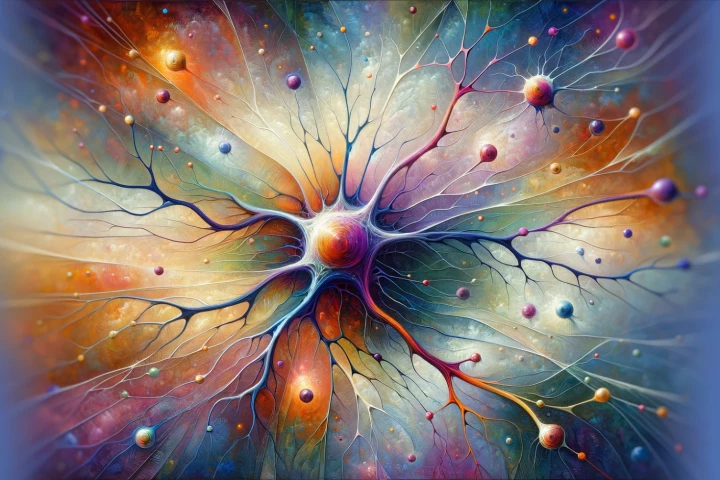 Damaged brain tissue can be re-grown using a new method that lets researchers guide stem cells into exactly the type of brain cells they need for a particular spot. They're targeting new treatments for stroke, traumatic brain injury and MS.
Load More