
Holographic
-
 Back in August 2021, Portl launched a 7-ft-tall hologram projection box for life-like remote communications. Now renamed Proto, the company has revealed that its Epic technology is allowing cancer patients to consult life-size virtual specialists.
 -
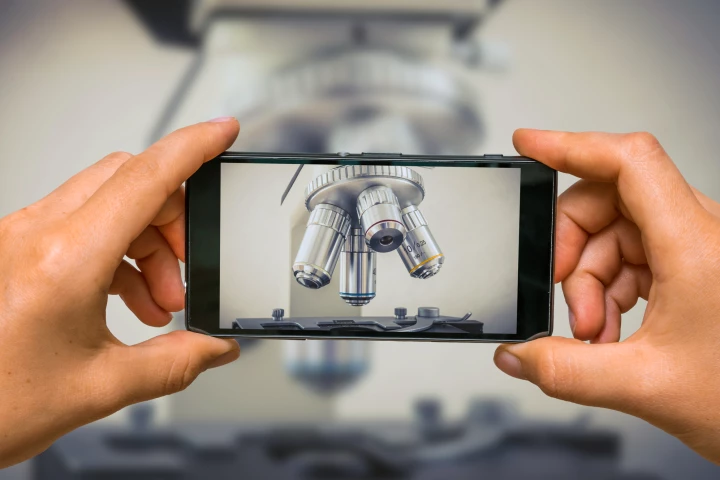 Move over, macro: researchers have created the world’s smallest silicon LED and holographic microscope, and among its uses is a hack that'll let you use your smartphone to view objects as tiny as a single human skin cell in brilliant high resolution.
 -
 Remember back in the mid-80s, when mass-produced holograms were such a big deal? Since then, they've become common on credit cards, currency and other items. Now, thanks to new research, you can actually eat the things.
 -
 Although most holograms are still pretty tiny, a team from Australia’s RMIT and the Beijing Institute of Technology (BIT) have created the world’s thinnest holographic display, encoding a 3D image onto a material just 25 nanometers thick.
 -
 If there's one thing that sci-fi movies love, it's the idea of 3D displays that people can view from different angles. Well, researchers have created a system in which lasers are used to create bubbles, which in turn make up 3D images within a column of liquid.
 -
 Researchers at the Max Planck Institute in Germany have created a system that can move and manipulate particles using holograms made of sound
 -
 Security holograms can currently take days to create, using expensive equipment. That could be about to change, however, as scientists have developed a hologram production method that utilizes a regular inkjet printer.
 -
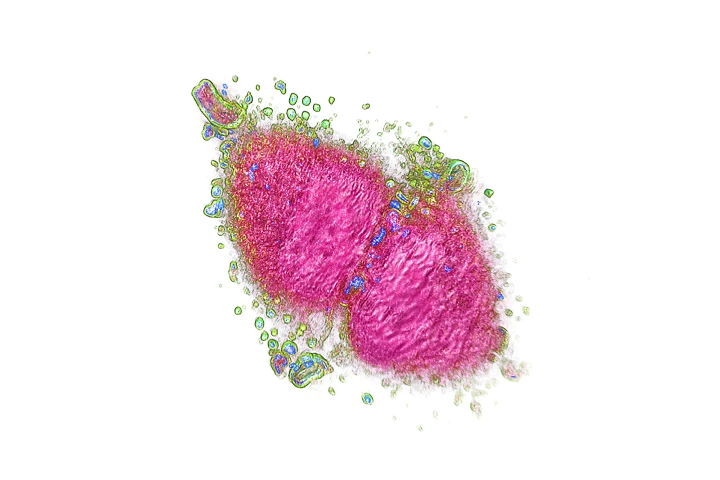 Swiss company Nanolive has created 3D Cell Explorer, a new technology that creates vibrantly detailed 3D holograms of living cells on the nanometric scale. It offers researchers a novel tool to non-invasively peer inside living cells almost in real time.
 -
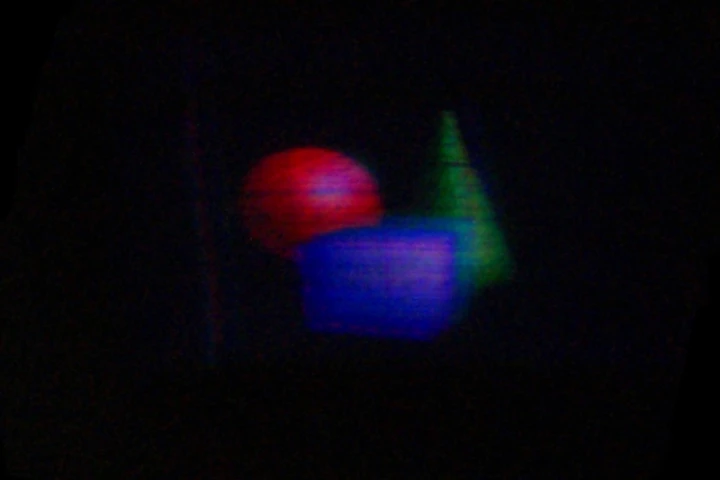 Researchers at Brigham Young University (BYU) and MIT have made a new important step toward the next generation of high-bandwidth, color-accurate holographic video displays that could span the size of an entire room at one tenth the cost of state of the art devices.
 -
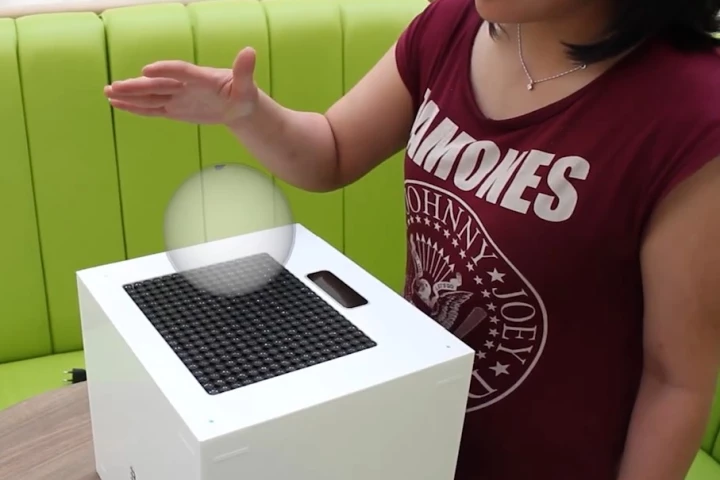 A new technique being developed by researchers at the University of Bristol promises to revolutionize haptic feedback technology by using projected ultrasound to directly create floating, 3D shapes that can be seen and felt in mid-air.
 -
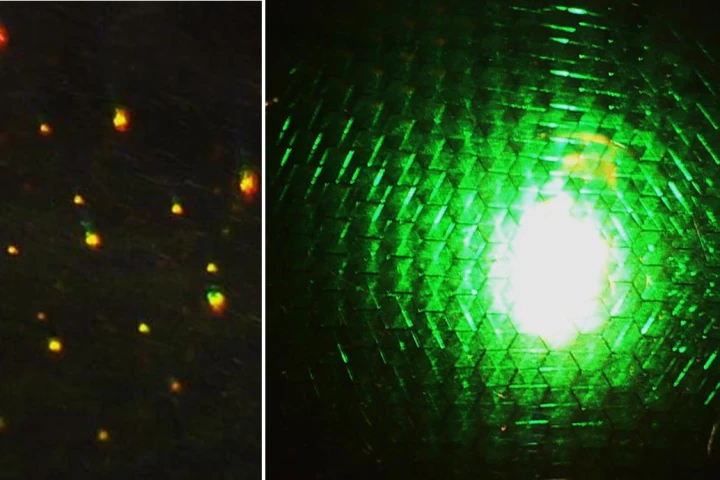 Researchers have created "smart" holograms that can monitor health condition or diagnose diseases, by changing color in the presence of disease indicators in a person's breath or bodily fluids.
 -
 Instead of storing a 3D image in a photographic plate, researchers at Purdue University have developed a novel hologram which stores a 3D image in a thin gold film containing thousands of V-shaped nanoantennas, shrinking the hologram and enabling a host of new applications.
Load More