
Heating
-
 Okay, CERN's Large Hadron Collider (LHC) might have uncovered the Higgs boson and helped redefine our concept of physical reality, but what has it done for us lately? How about a side hustle heating several thousand homes in the neighborhood?
 -
 Rising outdoor temperatures not only make nights uncomfortable but also deteriorate the quality of our sleep, according to a recent USC study. Researchers looked at the effects of heat on several aspects of sleep, and the results are sobering.
 -
 A study examining nearly 1,500 river sites in the US between 1980 and 2022 has shown that river heatwaves are happening up to four times faster than air heatwaves and lasting nearly twice as long. The finding has major implications for aquatic life.
 -
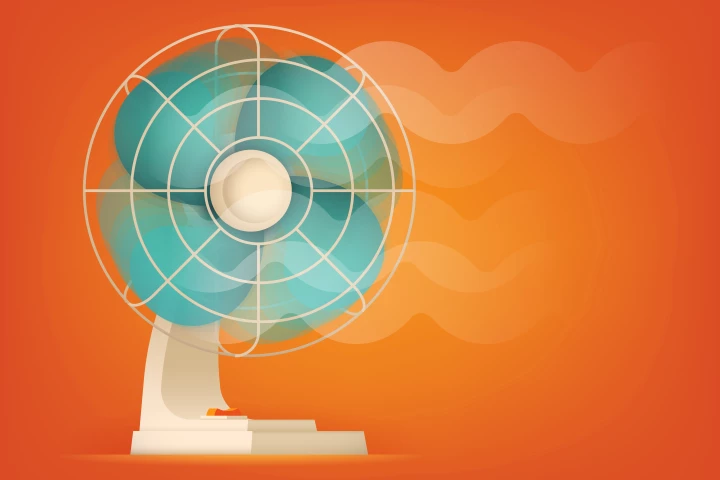 A fan might feel like a lifeline in a heatwave, and for older adults it may be of some help – but not as much as it might seem. Using an electric fan in humid heat has a small benefit, but in hot and dry conditions, it can do more harm than good.
 -
 In a new study from the University of Oregon, scientists turned up the temperature to see which type of passive heat therapy packs the most health punch – hot baths, traditional saunas, or those fancy far-infrared saunas.
 -
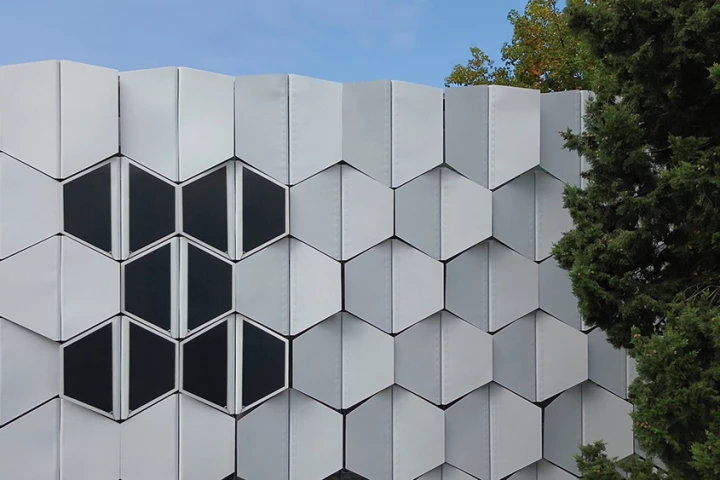 Nobody likes buildings that are too hot in the summer or too cold in the winter. That's where the FlectoLine facade comes in, as it uses two bio-inspired mechanisms to regulate how much solar thermal energy gets through a building's windows.
 -
 Although sunscreen does help protect our skin from the sun's harmful UV rays, it isn't designed to keep that skin cool. An experimental new sunscreen does that very thing, however, while maintaining an SPF rating of about 50.
 -
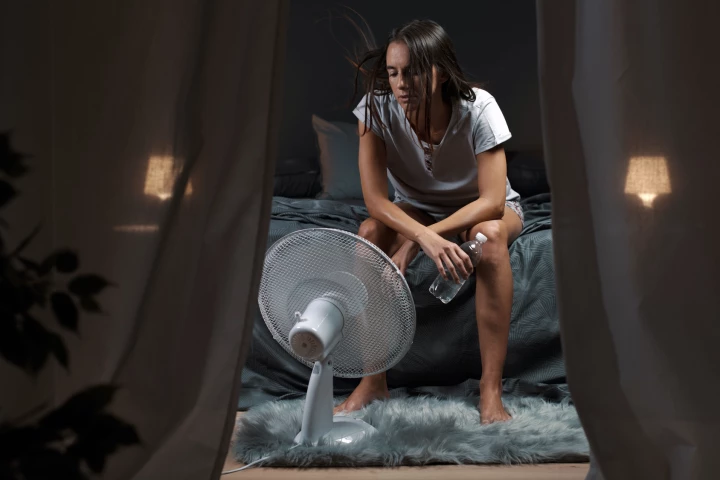 Extreme night-time temperatures significantly increase the risk of stroke, according to a new study. The researchers behind the study say that armed with these findings, people can better safeguard themselves against increasingly hot nights.
 -
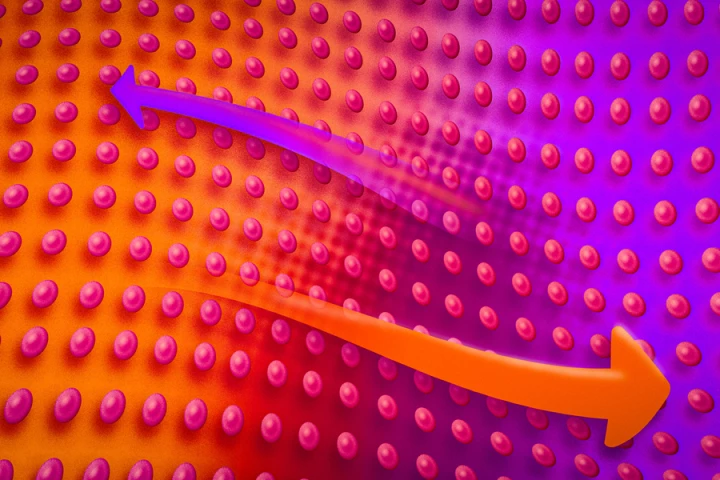 Scientists at MIT have directly captured signs of “second sound” in a superfluid for the first time. This bizarre phenomenon occurs when heat moves like sound waves through an unusual state of matter.
 -
 Just like any other organisms, crop-destroying soil microbes die if they get too hot. With that fact in mind, scientists have developed a new system in which soil-heating microwaves are used to kill such pests. It could one day replace pesticides.
 -
 Contrary to elementary school science class, it turns out that heat may not be necessary to make water evaporate. Scientists at MIT have made the surprising discovery that light alone can evaporate water, and is even more efficient at it than heat.
 -
 Purifying polluted soil can be a difficult process, often requiring the soil to be dug up and transported to an offsite remediation facility. Now, however, scientists have developed an eco-friendly method of treating it where it lays – by zapping it.
Load More