
Hearing Aid
-
 A first-of-its-kind meta-analysis has found a significant association between the use of hearing aids and a reduced risk of dementia. The findings suggest that using hearing restoration devices could slow the progression of cognitive decline.
 -
 A team of scientists exploring low-cost alternative for hearing aids has turned to Apple’s AirPods as a potential solution, assessing them alongside conventional hearing aids and finding they stack up surprisingly well.
 -
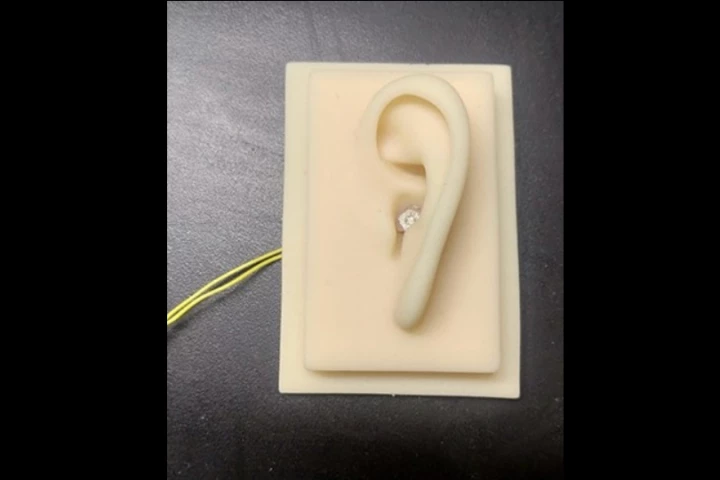 Although hearing aids do make life easier for many people, their limited battery life can be problematic. Scientists have set about addressing that shortcoming, by designing a hearing aid that requires no batteries.
 -
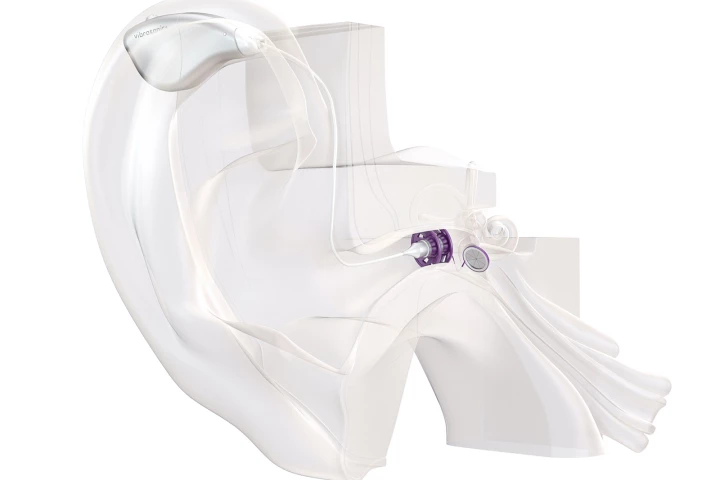 In most hearing aids, sounds emitted by a tiny speaker are directed down the ear canal. The "alpha" hearing aid is different, however – and reportedly better – in that its speaker actually sits directly against the wearer's eardrum.
 -
 Hearing aids are often stymied by the "cocktail party" effect, wherein they can't amplify one person's voice without also boosting the voices of everyone else in the room. A new AI system, however, could help focus the devices' attention where it's needed.
 -
 Even in noisy environments, most of us are able to understand what another person is saying by "focusing" our hearing on their voice. Although regular hearing aids are currently unable to do so, that may change if a new prototype reaches production.
 -
 Hearing aids can have trouble separating a voice a listener wants to hear from all the background noise. Through a new form of artificial intelligence scientists believe they have come up with a solution that could be of huge benefit to those with hearing impairments.
 -
 Starkey Hearing Technologies has transformed a single use device into a multi-purpose hearing aid, adding physical activity and cognitive tracking smarts to a device that essentially moves health trackers away from the wrist and wraps them around the ears.
 -
 In order to regain their sense of hearing, many deaf people currently opt for cochlear implants. Such devices are expensive, however, plus they must be surgically installed. That's why researchers are developing an electric retainer that transmits spoken words to the user by buzzing their tongue.
 -
 iHear, an invisible hearing aid, is designed to significantly lower the cost of personalized hearing devices by enabling the user to test the extent of their condition and calibrate the hearing aid from their own home.
 -
 Regular cochlear implants incorporate external components that get in the way and are visually unappealing. Now, however, fully internal implants may be coming.
 -
 Wear looks like a regular necklace, but with a built-in high-fidelity analog microphone it is designed to also act as a hearing aid and help users follow conversations in noisy environments by filtering out unwanted noise.
Load More