
Greenhouse emissions
-
 A climate report projects that the world's carbon emissions are on track to hit an all-time high this year, despite major advances in green tech and adoption of measures to curb pollution from the use of fossil fuels.
 -
 A new study has looked into whether electric cars are really better for the environment than gas-powered cars. It turns out that this is indeed the case: after two years of use, EVs start reducing their total carbon footprint compared to gas cars.
 -
 Methane is awful for the atmosphere. It's a major byproduct of many industrial processes, and we now know it also comes from a surprising and seemingly innocuous source – ships passing through shallow waters.
 -
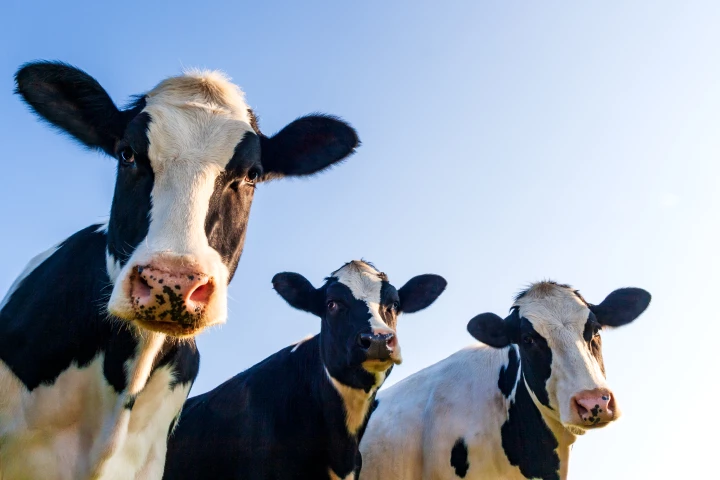 Move over, cow burps. A team of scientists has shifted gears from the front to the back end of these methane-production powerhouses, using algae to curb gas emanating from their poop. It's a crap gig, but nature's best methane inhibitor is on the job.
 -
 Carbon dioxide may hog headlines as a climate change villain, but methane is a far more potent greenhouse gas. MIT has now demonstrated a new way to remove methane from the air, even at low concentrations, with a common clay used to make cat litter.
 -
 Climate change can feel inevitable, but we’ve stepped up to the challenge before. New modeling shows how bad things would be if CFCs hadn’t been banned decades ago – depleted ozone would've increased UV exposure and stopped plants capturing carbon.
 -
 The UK government has announced a legally binding commitment to hit a 78 percent emissions reduction target by 2035, as compared to 1990 levels, on the way to net zero emissions by 2050. For the first time, this target includes aviation and shipping.
 -
 Cattle are a major source of greenhouse gas emissions, mainly due to their methane-loaded burps. A detailed new study has found more evidence that feeding cows a small seaweed supplement can greatly reduce their methane emissions.
 -
 Livestock like sheep and cows are responsible for huge amounts of methane emissions. Now, an international team of researchers has analyzed the gut microbes of different sheep and found clues that may help us curb the problem.
 -
 A new study has independently measured methane emissions from a number of ammonia fertilizer plants. The startling results suggest methane emissions are 100 times higher than industry estimates, and three times higher than the EPA’s estimate for all industry methane emissions in the United States.
 -
 Do meal kits have a larger carbon footprint than regular grocery store shopping? A team of environmental researchers set out to crunch the numbers discovering that despite the extra plastic waste meal kits may produce less environmental emissions than conventional grocery shopping.
 -
 Bitcoin and other cryptocurrencies have promised a revolution in capital - but at what cost? The Bitcoin network alone is now burning a horrific 240 kilowatt-hours of electricity per transaction, using as much energy as the entire nation of Serbia, and heralding an environmental disaster.
Load More