
Great Barrier Reef
-
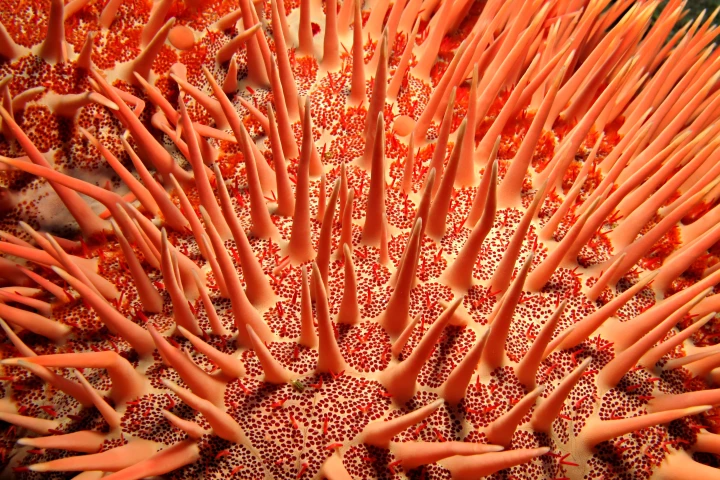 They’ve been crawling across the seafloor for 500 million years, but some sea stars have amassed such a population they're eating entire reefs alive. Now, a discovery about their spine-speaking chatline gives us a leg up in this ecological arm's race.
 -
 Scientists have found a bacteria related to the human chlamydia pathogen in the corals of Australia's Great Barrier Reef – and hope it could lead to game-changing probiotic treatments designed to slow down or reverse the process of coral bleaching.
 -
 If corals are going to survive on today's ecologically stressed reefs, they've gotta be tough. Scientists have therefore been developing a special "turbo-charged" coral, which has recently been found to be reproducing on the Great Barrier Reef.
 -
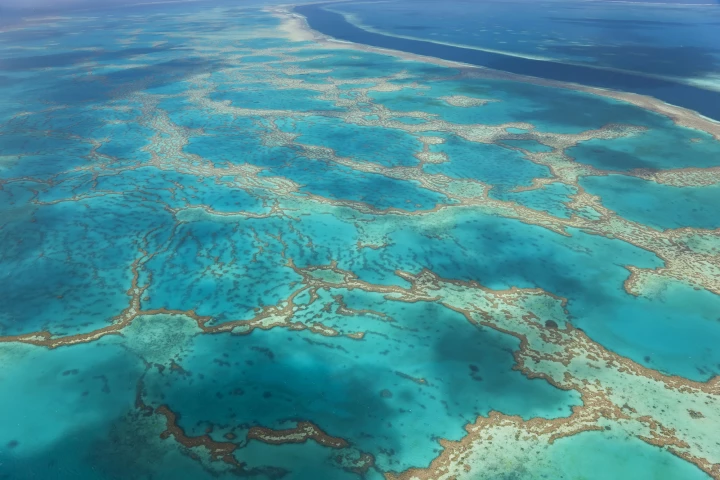 Researchers have put forward an interesting way of preventing some of this damage brought by ocean acidification, through a study demonstrating how releasing an alkalinizing agent from shipping lanes could help protect much of the Great Barrier Reef.
 -
 Scientists exploring the Great Barrier Reef have discovered a huge, never-before-seen coral reef, taller than the Empire State Building. Standing detached, the massive structure is the first new reef to be discovered in the area in over 120 years.
 -
 Among the potential solutions to coral bleaching and death is the idea of developing new types of coral that are more resistant to heat, and researchers in Australia are reporting new success in this area using a technique called directed evolution.
 -
 In a world first, researchers have conducted a cloud-brightening trial as a way of protecting fragile corals in Australia's Great Barrier Reef, to see whether reflecting some of the Sun’s energy away could help limit damage due to climate change.
 -
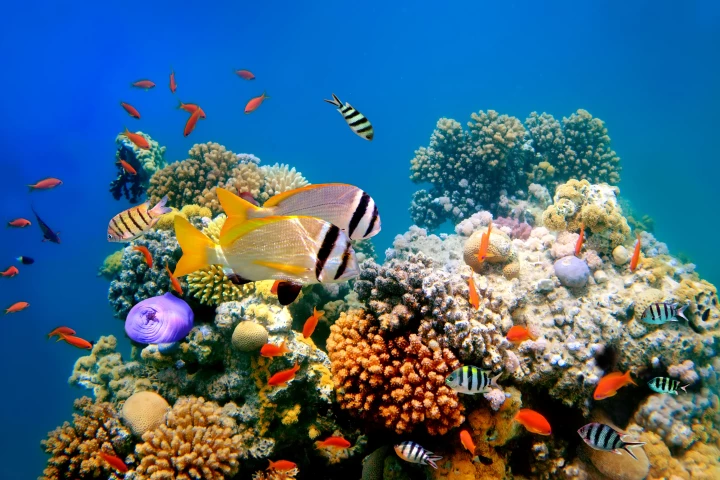 Underwater loudspeakers could be used to revitalized devastated corals, by blasting the sounds of healthy reefs to make them more attractive to young fish. Earth’s ocean reefs are currently under major threat from human-led climate change.
 -
 That Australia’s Great Barrier Reef is in serious trouble is no longer subject to debate, but the best way to deal with the problem very much is. The latest idea to emerge involves robots playing the role of "the stork" and distributing coral larvae across the Reef to promote new growth
 -
 The ultimate fate of Australia’s Great Barrier Reef is looking pretty dire. Now, researchers from the University of Queensland have outlined a plan to recycle dead coral into structures that can help protect the remaining reef and promote new growth.
 -
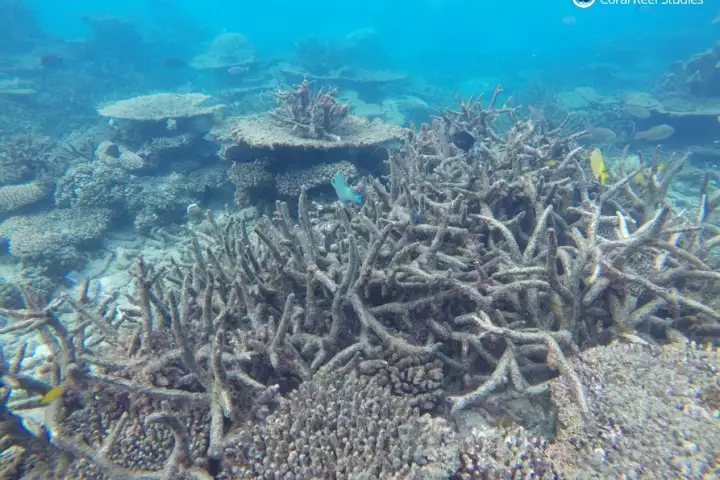 As the fate of the Great Barrier Reef remains uncertain, a new study has examined the health of the reef over the last 30,000 years, and found that it has suffered five “death events” in the past – but its current woes could be the last straw.
 -
 We've recently seen a number of proposals for protecting coral reefs from the dangers of climate change, and now it turns out that corals already have a self-defense mechanism. They can release aerosols into the atmosphere to create a protective "cloud umbrella."
Load More