
Graphene
-
 Not many people fancy the idea of spending the night in a sleep clinic with multiple electrodes stuck to their skin. That's why scientists have developed a smart pajama top that assesses sleep disorders while its wearer comfortably slumbers at home.
 -
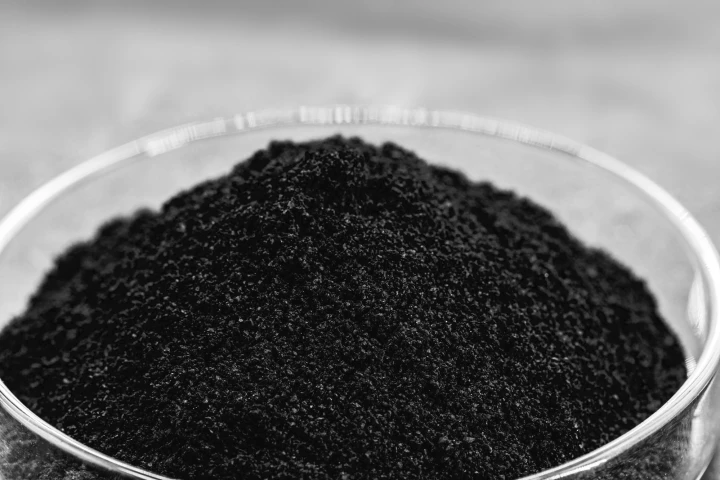 It slices, it dices, it's super strong and conductive, and now an ultra-pure form of ‘wonder material’ graphene has been inhaled during a human trial without affecting lung or cardiovascular function, opening the door to a novel drug delivery mode.
 -
 With 2023 drawing to a close, it's once again time to look at the significant, intriguing, and sometimes just plain daft science stories of the year. So, let's dive in and see what the science types have been up to.
 -
 A team of researchers led by Northwestern University and the University of Texas at Austin (UT) have developed a novel graphene heart implant that’s about the thickness of a strand of hair and monitors and corrects abnormal heart rhythms using light.
 -
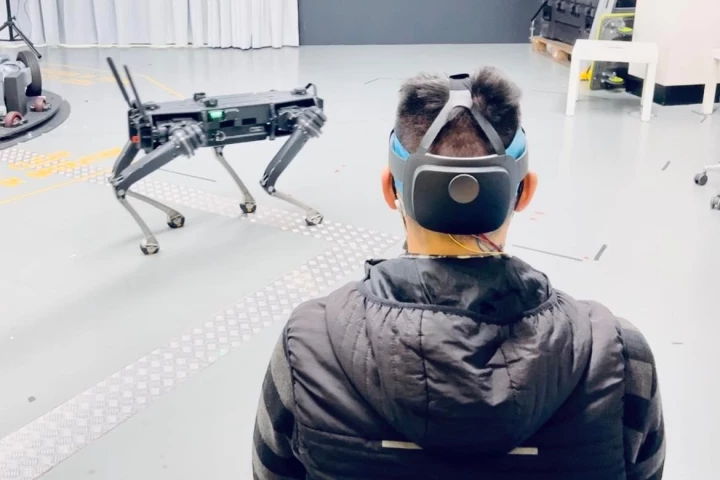 Although it is possible to control devices using brain waves, doing so involves having electrodes and conductive gel applied to one's head. Now, however, scientists have developed a new type of "dry" electrode – and it's been used to control a robot.
 -
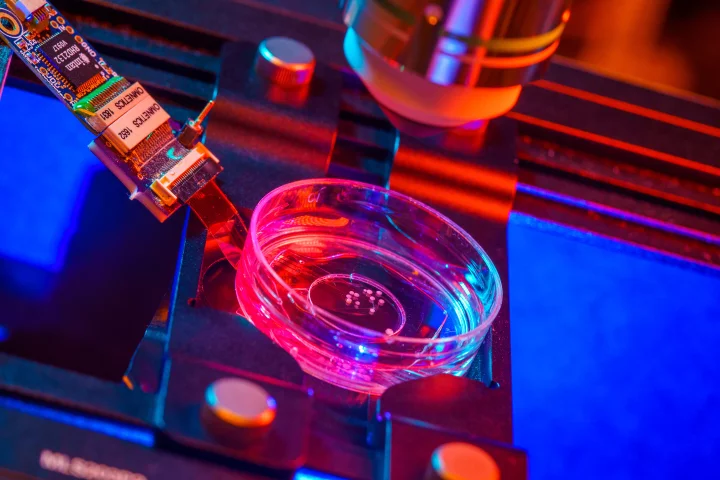 Mini human brains, grown from stem cells and implanted into living mice, have for the first time been shown to respond to things the mice were seeing. Scientists were able to watch the responses in real time thanks to specialized graphene electrodes.
 -
 A torn rotator cuff can be debilitating enough on its own, but unfortunately once such an injury has occurred, it's more likely to happen again. An experimental new mesh could help keep that from happening, thanks to tiny pieces of graphene.
 -
 Scientists have developed a new electronic “tattoo” that can monitor a patient’s blood pressure continuously. The e-tattoo is made of graphene and can be worn for long periods without getting in the way, allowing for better health data.
 -
 Engineers in the US and Mexico have developed a way to use soot from emissions to improve solar thermal devices. The coatings are not only cheaper to produce but more efficient than using materials like graphene, while reducing pollution.
 -
 Currently, most diabetics have to check their blood glucose levels by performing finger-prick blood tests, or via implanted sensors. An experimental new device, however, could someday do the job while simply adhered to the surface of the user's skin.
 -
 Scientists have demonstrated yet another use for the ever-versatile wonder material graphene, using it as the basis for an advanced sensor that can image electrical signals from living cells and tissue in real time.
 -
 Lightning is a major trigger for wildfires, like the record-breaking blazes that devastated Australia and California this year. But what if we could redirect lightning to strike safely? Graphene particles trapped in a tractor beam could do just that.
Load More