
Glaucoma
-
 Although there already are "smart" contact lenses that monitor the eyes for signs of glaucoma, the devices are typically only worn when the patient is awake. A new type of contact lens, however, watches over the eyes throughout the night, too.
 -
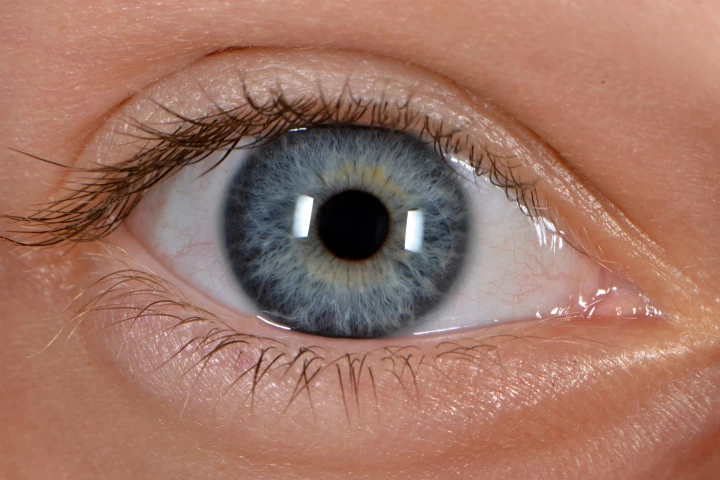 New research found that elevated levels of ‘good cholesterol’ were associated with an increased risk of glaucoma, which can lead to vision loss. The findings call for reconsidering the hypothesis that good cholesterol universally benefits health.
 -
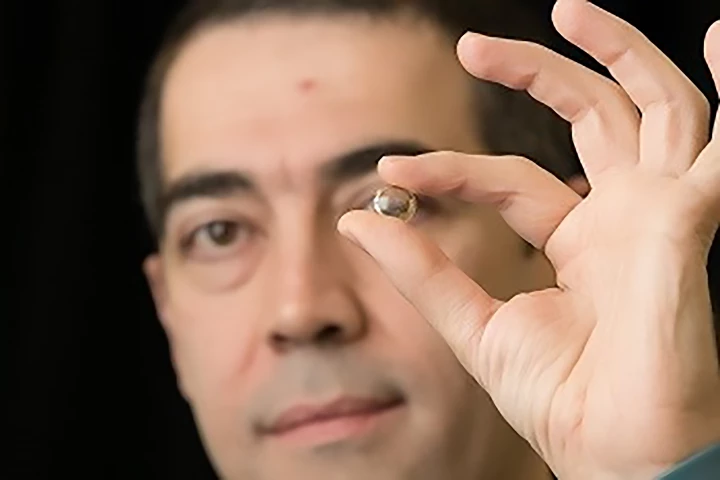 In an effort to diagnose glaucoma, a condition that can cause vision loss, earlier, researchers have developed contact lenses with sensors that measure the pressure inside the eye and send the information to an ophthalmologist for evaluation.
 -
 The largest-ever global genetic study of glaucoma has uncovered more genes associated with the disease, including never-before-identified genes that could be targeted to prevent the optic nerve damage that leads to irreversible blindness.
 -
 We've recently heard about several experimental devices that monitor the pressure in glaucoma patients' eyes. The miLens contact lens – which is the latest to cross our radar – has just completed clinical trials, and could be available by next year.
 -
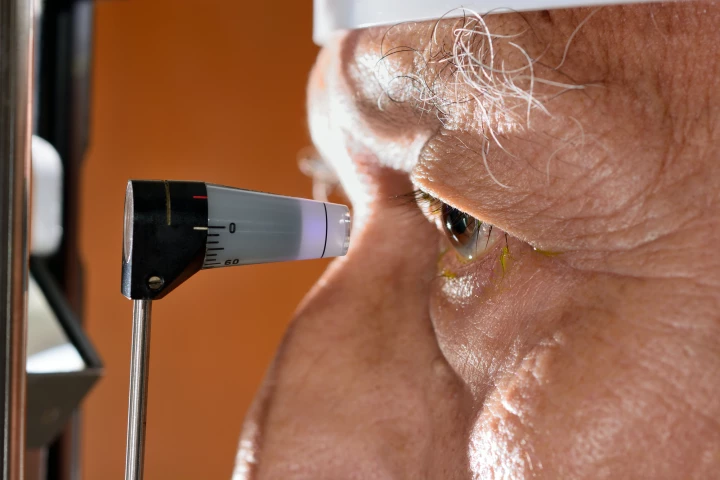 The high eye pressure seen in glaucoma slowly leads to blindness. For some, treatment with eye drops doesn’t work. Researchers have used gene therapy to develop a promising new way of treating the high eye pressure associated with glaucoma.
 -
 If people with glaucoma don't stay on top of their condition, blindness may result. An experimental new contact lens is designed to help, by both monitoring glaucoma symptoms and automatically releasing medication as needed.
 -
 Presently, glaucoma is treated via daily-administered eye drops, surgery, or implanted devices – none of which are guaranteed to be successful. In the future, however, it's possible that a twice-yearly injection could do the trick.
 -
 Using gene therapy, Harvard scientists have restored vision to mice suffering glaucoma by rewinding the aging process in their cells. The team says the research is a proof of concept for slowing the symptoms of aging with epigenetics.
 -
 Researchers in Australia are claiming an important breakthrough in glaucoma research, demonstrating how the degenerative condition can be treated using an innovative form of gene therapy that repairs damaged optic nerve cells.
 -
 The Injectsense implant is designed to constantly monitor a glaucoma patient's intraocular pressure, transmitting readings to the cloud.
 -
 Glaucoma occurs when a blockage causes aqueous humor fluid to accumulate within the eye faster than it can drain out. This increases intraocular pressure, which can in turn damage the optic nerve, causing blindness. A new implant, however, may be particularly effective at reducing that pressure.
Load More