
Georgia Institute of Technology
-
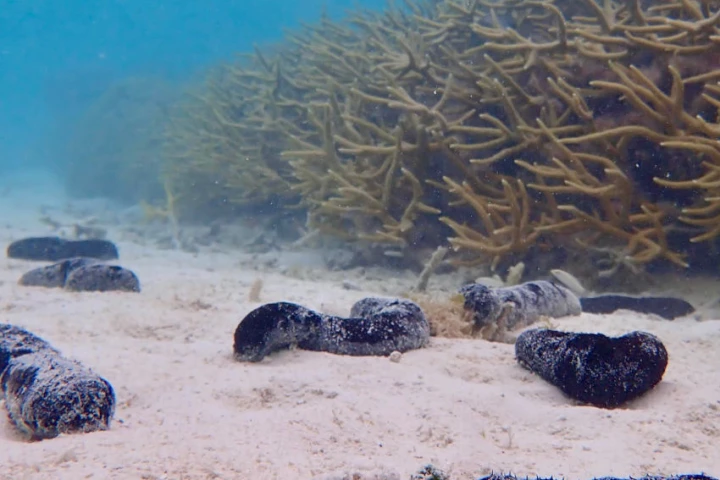 Although the humble sea cucumber may not look like much, it could soon be recruited to help save the world's coral reefs. The bottom-dwelling animals have been found to play a vital role in protecting corals from harmful bacteria.
 -
 In order to get tested for sleep apnea, patients have to spend a night sleeping at a clinic with numerous hard-wired sensors stuck to their skin. A new facial patch system however, could soon allow those people to spend the night in their own bed.
 -
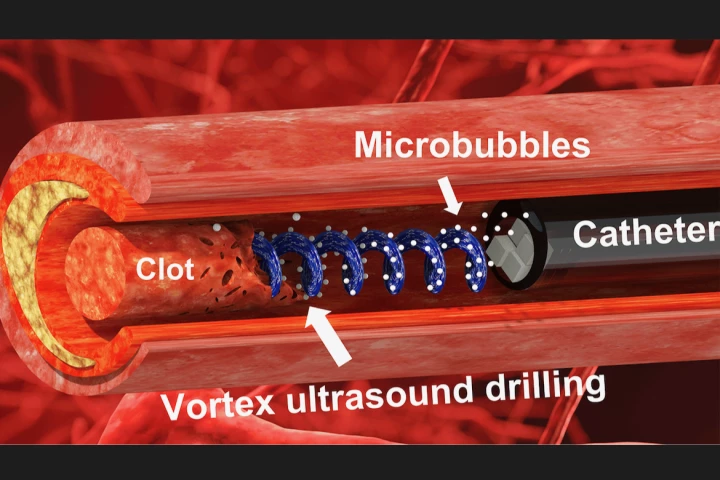 It goes without saying that if someone has a blood clot in their brain, that clot should be cleared as soon as possible. An experimental new transducer could help, as it uses swirling waves of ultrasound to break up blood clots much faster than existing methods.
 -
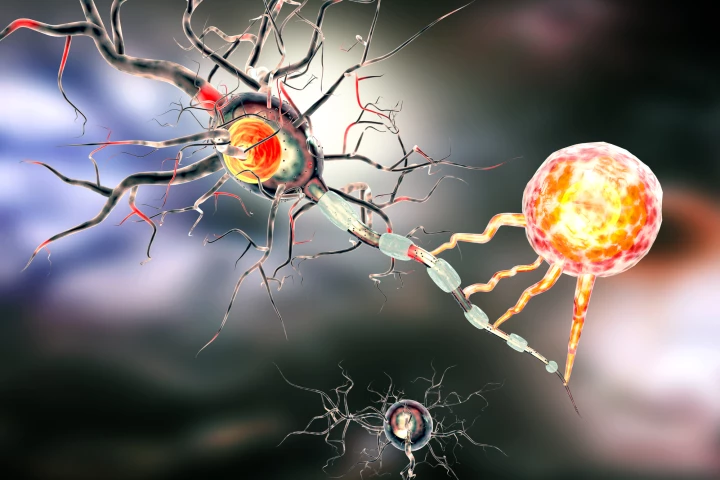 A new technique using piezoelectric nanoparticles that are activated via bursts of ultrasound has shown promise as a wire-free way to stimulate the brain. It could be used to treat Parkinson's disease and other brain-based disorders.
 -
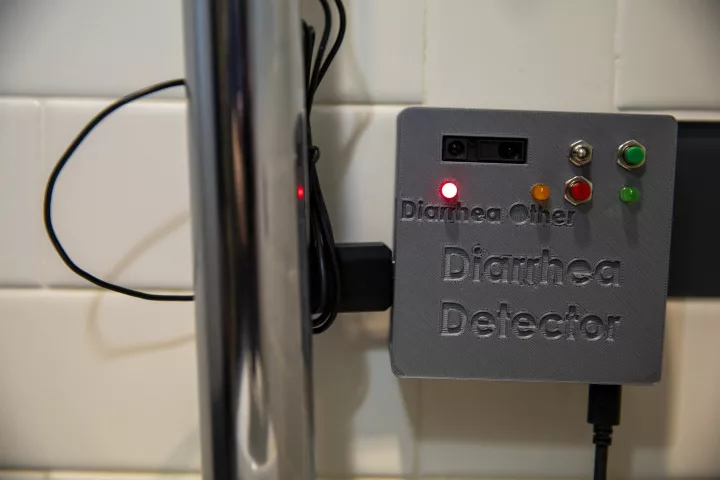 When it comes to communicable diseases, it's important to identify the source of an outbreak ASAP. In the case of cholera, a new toilet sensor could help, by detecting how many people in one area are experiencing one of the main symptoms – diarrhea.
 -
 Stents can make a life-saving difference for people with vascular problems, as they open up narrowing blood vessels. An experimental new one goes a step further, by actually transmitting blood flow data to an external computer or mobile device.
 -
 A tiny new sensor that can be worn in items of clothing could offer a new way to tap into the subtle vibrations produced by a wearer's heart and lungs, and even alert the user when it might be time to head for a checkup.
 -
 A tiny catheter-based probe may soon give doctors a 3D real-time forward view from inside coronary blood vessels – or from inside the heart itself – not unlike that seen by the microscopic submarine crew in the movie Fantastic Voyage.
 -
 Arguably the world’s most famous painting, da Vinci's Mona Lisa has now been copied onto the world’s smallest canvas at the Georgia Institute of Technology.
 -
 New device allows tongue-control of wheelchairs and computers by quadriplegics