
Fuel Cell
-
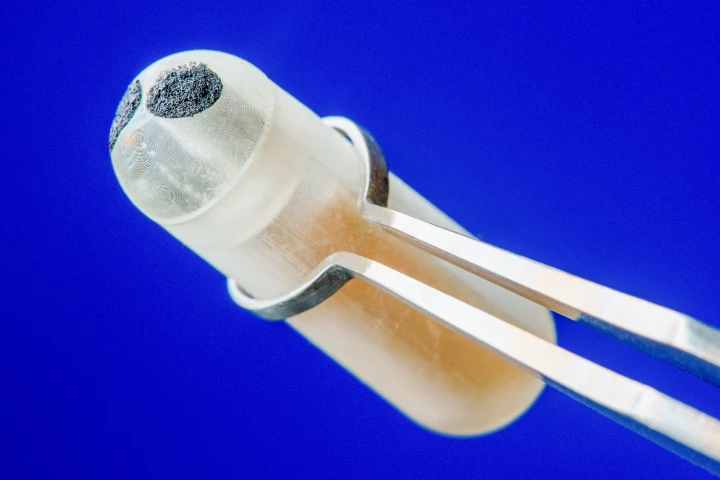 Intestinal glucose levels are a major indicator of gastrointestinal health, and the current method of measuring them involves putting a catheter down the patient's throat. Soon, however, a swallowable "smart pill" could do the job less intrusively.
 -
 Powering medical implants can be tricky, but tapping into the body’s own fuel source could keep them going long-term. A new design for a tiny fuel cell converts glucose into electricity to power implants more efficiently than any other so far.
 -
 Many of us now keep tabs on how we're doing by wearing health and fitness trackers, which run on batteries. Researchers from Caltech have developed an electronic skin that can be packed with sensors, and that's powered by the sweat of its wearer.
 -
 Researchers are experimenting with producing electricity from tomato waste. With a microbial electrochemical process, the organic material releases electrons into a fuel cell to become electricity.
 -
 Researchers at the University of the West of England (UWE Bristol) have built a urinal that uses microbial fuel cells to turn urine into electricity to run lights and phones. To make sure it's always kept topped up, they have installed the prototype right next to the university's student union bar.
 -
 Using jet propellent and a combination of enzymes as catalysts, researchers at the University of Utah have produced a prototype fuel cell that runs at room temperature and without the need to ignite the fuel.
 -
 A new emissions-free device created by scientists at Stanford University uses an ordinary 1.5-volt battery to split water into hydrogen and oxygen at room temperature, potentially providing a low-cost method to power fuel cells in zero-emissions vehicles and buildings.
 -
 By-products are common to most industries. Some are harmless, some dangerous and others useless. Others are simply under-utilized. Finland's VTT is using hydrogen generated as a by-product of the sodium chlorate production process in its pilot-scale power plant to produce electricity.
 -
 Ethanol may be touted as a more eco-friendly alternative to fossil fuels, but it requires a great deal of plant-based feedstock. Now, however, scientists at Stanford University have devised a method of producing liquid ethanol from carbon monoxide gas.
 -
 Shipping ports are major sources of pollution, due in part to anchored or docked ships using diesel generators to keep their systems powered up. A year from now, however, the Port of Honolulu will be trying out a mobile hydrogen fuel cell unit, as a more eco-friendly and fuel-saving alternative.
 -
 As part of a two-year pilot project, the US Department of Energy will be using fuel cells to power the refrigeration units of four cold transport trailers.
 -
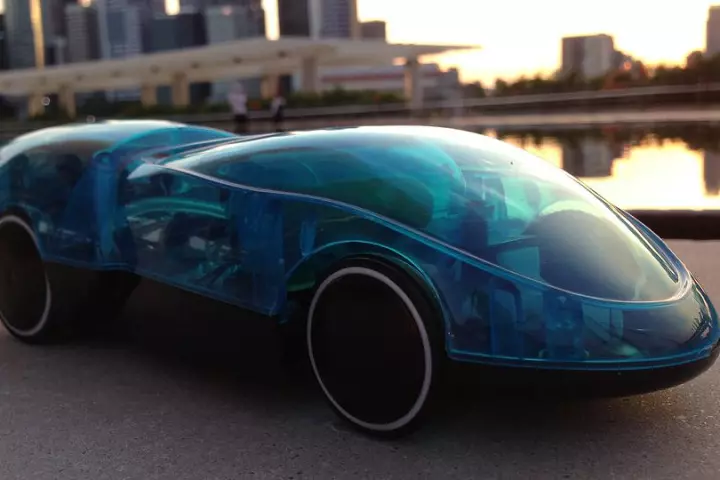 Horizon Fuel Cell Technologies has announced the availability of its new hydrogen-powered remote-control toy car, the i-H2GO.
Load More