
Fraunhofer
-
 There could be new hope in the fight against gum disease. Scientists have developed a toothpaste that targets only the bacteria that cause periodontitis, leaving the rest of the oral microbiome healthy and intact.
 -
 We've heard about campers, kitchens and even tiny homes that fit in pickup truck beds, but the PreCare system is decidedly more altruistic. It's a truck-bed-based popup healthcare center, designed to serve remote and impoverished communities.
 -
 A new sensor could soon allow hospital patients' blood oxygen levels to be checked via their breath. The technology is claimed to be more reliable and less painful than existing traditional methods.
 -
 Back in the 1970s and 80s, millions of wooden buildings were treated with preservatives that were later found to be neurotoxic and carcinogenic. A special process is now able to neutralize those chemicals, saving the structures from being gutted.
 -
 If you've ever tried pulling a mussel off a rock, you'll know that they're good at holding on. The secret to their success is a natural adhesive, which has been replicated in a glue that could help keep orthopedic implants attached to bone tissue.
 -
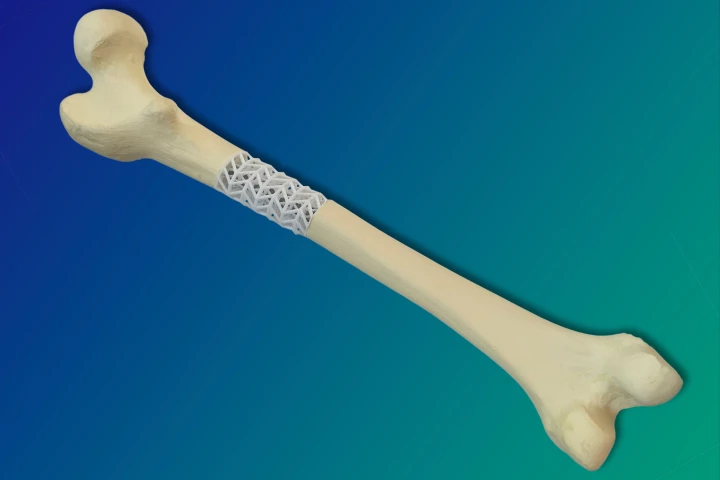 When treating broken bones, doctors want new bone tissue to grow back ASAP, and they also want to keep the wound site from becoming infected. Scientists have developed an implantable composite material that reportedly delivers on both counts.
 -
 We hear a lot about artificial hips and knees, but finger joints? They do exist, but their fit and functionality is limited. Germany's Fraunhofer research group aims to change that, with artificial finger joints that are 3D-printed for each patient.
 -
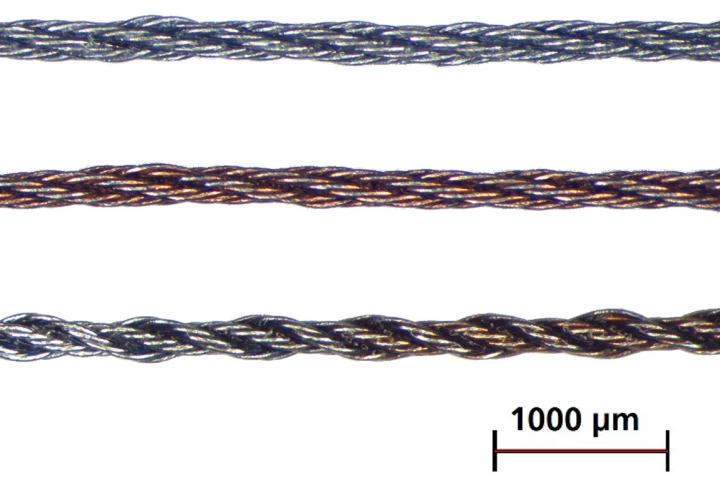 The leads that connect external pacemakers to the heart can potentially cause problems, either if they're removed or left in place. German scientists are therefore developing an alternative, in the form of leads that get absorbed by the body.
 -
 Ordinarily, the lung function of patients with respiratory problems is monitored via a stethoscope, during a visit to a clinic. An experimental new vest, however, can do the same job throughout the day, wherever its wearer goes.
 -
 Because seeds may contain yield-reducing fungi, bacteria or viruses, they're often chemically treated before they're sold to farmers. A new mobile system, however, substitutes microbe-killing electrons for harsh and eco-unfriendly chemicals.
 -
 Although kidney stones can be treated with medication, larger ones are often broken up with an endoscopic laser. A new hydrogel is now claimed to be capable of removing even the smallest of the resulting fragments, instead of just leaving them.
 -
 Robots and other automated systems have always had trouble visually gauging the 3D shape of transparent objects, like those made of glass. A new system addresses that problem, by using a laser to quickly heat such items.
Load More