
Food
-
 The rise in popularity of GLP-1 receptor agonist drugs like Ozempic is causing a wider societal shift that is now rocking the food industry. And some are feeling the pain more than others, as people make fundamental changes to their lives and health.
 -
 In response to the current global cocoa shortage, a research team from the National University of Singapore has developed two innovative processes to improve the taste of carob pulp. The result could be a sustainable chocolate alternative.
 -
 First Japan wants to make space sake and now China has been roasting New Orleans-style chicken wings and black pepper steaks in a specially made hot-air oven aboard its Tiangong space station, according to China's Global Times state news service.
 -
 For the first time, scientists have used evidence-based research to rewrite the advice on what to consume to relieve constipation, doing away with the broad "high-fiber diet" mantra. And one food in particular stands out as being most effective.
 -
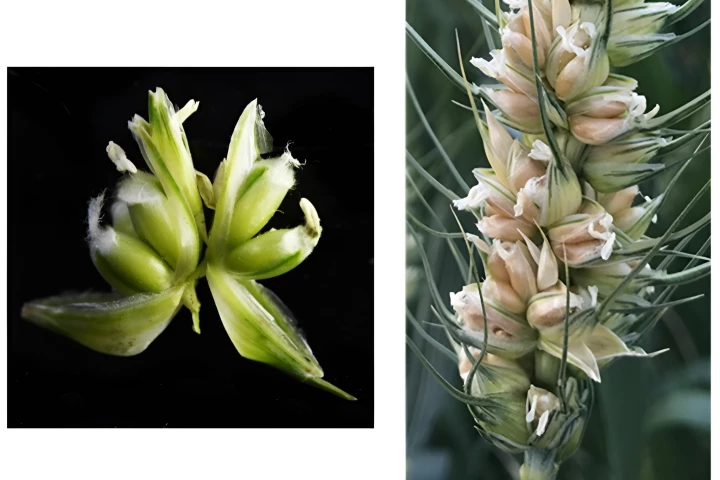 Imagine if three times as much grain could be obtained from the same amount of wheat plants as is currently possible, using the same amount of land, water and fertilizer. Well, that could soon be possible, thanks to a new genetic discovery.
 -
 A study has for the first time homed in on the specific combination of temperature, acidity, and microbes involved in the fermentation process for cocoa beans. They propose an ideal microbial formulation for developing the flavors of fine chocolate.
 -
 You can forget the “no screens, no exercise, no snacks” bedtime rules that are designed to provide teens with good sleep. New research shows that almost all teens break them – and they still sleep just fine.
 -
 We know microplastic particles are in the soil our food grows from but is it infiltrating our food chain, or just stirring up trouble at the roots? For the first time scientists have demonstrated how plastic could move from soil to food while it grows.
 -
 The human body is teeming with microbes, especially in the gut. To coexist smoothly, our bodies need to know what these tiny residents are up to. But can our bodies sense gut microbe activity in real-time and shift behavior accordingly?
 -
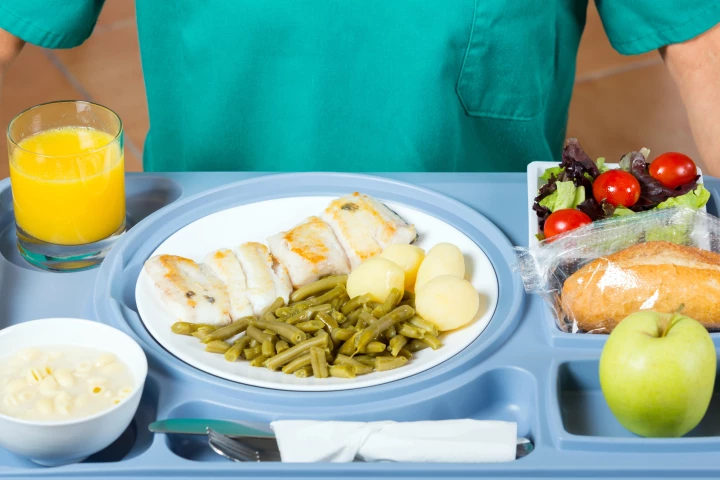 Hospital meals have long been the butt of jokes, but new research shows they might actually pose a health risk, with low-quality diets failing to meet basic nutrition standards in hospitals and nursing homes.
 -
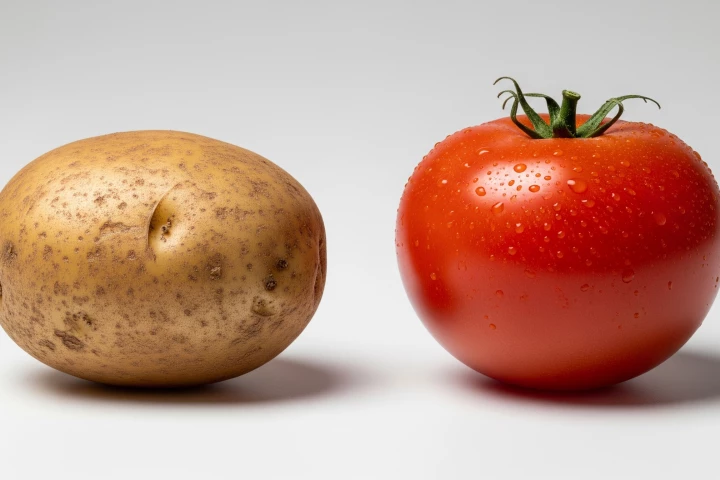 Tracing the potato’s deep ancestry, researchers have revealed a surprising origin story: modern potatoes emerged from natural interbreeding between tomato relatives and a wild-potato-like species about nine million years ago.
 -
 Millenia ago communities went to great lengths to hunt wild boars, and not just for survival. Archaeologists recently uncovered 19 wild boar skulls. The skulls bore butchery marks, hinting at a feast; however, the real mystery was their origin.
Load More