
focus
-
 Sleep isn't just rest, it's a crucial biological process. New MIT research has revealed why sleep deprivation causes attention slips. It found brain fluid surges usually reserved for sleep time occur during waking hours, throwing one's ability to focus
 -
 While not everyone with attention-deficit/hyperactivity disorder has tapped into their creative side, there are a lot of creative people who also have neurodivergent brains. Now, new research suggests this could be due to the way our minds wander.
 -
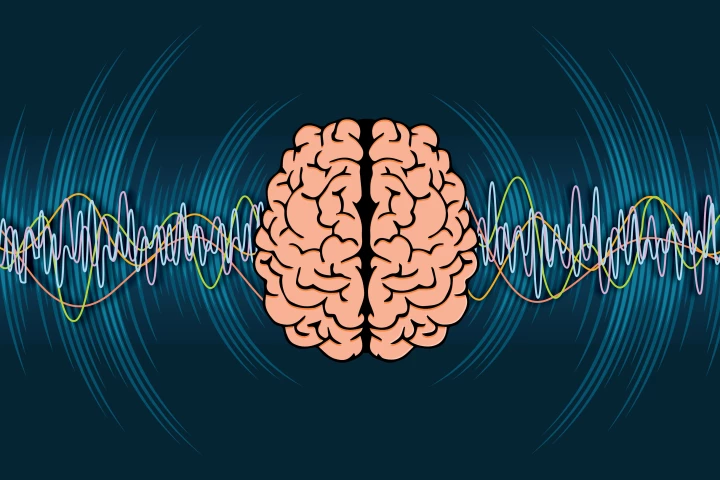 In a landmark study, scientists have found that a specific rhythm in our brains determines how well we process the world around us. This discovery could change how we understand and treat focus, attention and memory in Alzheimer's disease and ADHD.
 -
 While completing an important task with other distraction such as TV can seem like it’s a battle of willpower, scientists have discovered how it's not you but your brain that keeps you on the right track. Or at least it tries to.
 -
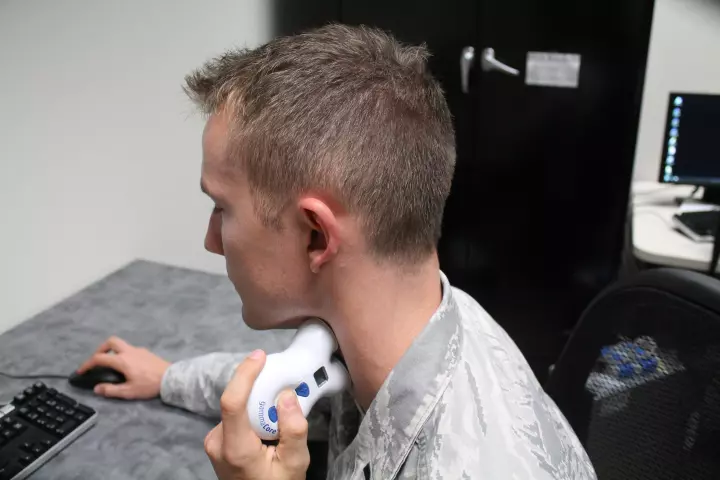 New research investigating novel ways to improve focus in sleep-deprived individuals has found a device that non-invasively sends electrical stimulation through the neck can boost alertness and reduce fatigue in subjects kept awake for up to 34 hours.
 -
 Presbyopia is a common form of age-induced far-sightedness. Now a Stanford team has developed a pair of high-tech specs called autofocals, which use fluid-filled lenses, depth-sensing cameras and eye-tracking technology to make sure whatever a wearer is looking at stays sharp.
 -
 It can be a hassle, taking your glasses on and off to switch between near and distant vision. That's why scientists from the University of Utah have developed glasses that change focus automatically, depending on what you're looking at.
 -
 Adlens Adjustables are inexpensive glasses that can be focused by the user to (more or less) match their prescription. We recently gave them a try, and can tell you that they work ... but you probably won't want to use them as your primary glasses.