
Fitbit
-
 With the fitness wearable market exploding in popularity a team of researchers wondered whether these devices could be used to detect the earliest signs of dementia. A new study suggests that could be possible.
 -
 The FDA has authorized a Fitbit feature designed to continuously monitor a wearer’s heart rhythms for signs of arterial fibrillation. The roll-out is based on a study that last year reported the algorithm detects 98 percent of irregular heart rhythms.
 -
 Within certain populations, it's important to know if individuals may be developing depression. New research suggests that even if people don't realize they're becoming depressed, a simple Fitbit could warn that they are.
 -
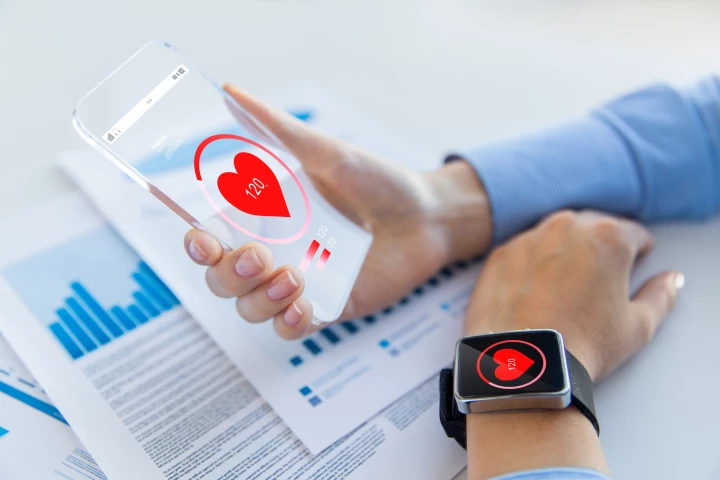 The results have been revealed from a study testing an algorithm designed to detect irregular heart rhythms using data from wearables. Enrolling nearly half a million subjects, the study detected undiagnosed atrial fibrillation in 98 percent of cases.
 -
 Azoi has announced the Wello, a US$200 smartphone case that measures blood pressure, ECG, heart rate, blood oxygen, temperature and lung function to a high level of accuracy. Wello is designed to enable anyone to track all their vital health data, and make informed lifestyle choices.
 -
 The Fitbit personal activity monitor is now being shipped to a backlog of customers, so we take a closer look at what exactly the device does