
Fishing
-
 A new heavyweight hero has emerged from the waters of Brooks River to claim the title of summer fatty, conquering some sizeable competition among the bears of Alaska's Katmai National Park. For them, big is not just beautiful but crucial for survival.
 -
 It's a sad fact that threatened species of sharks are routinely caught on fishing lines intended for other types of fish. A new device could help change that, by harmlessly scaring sharks away from baited hooks via pulses of electricity.
 -
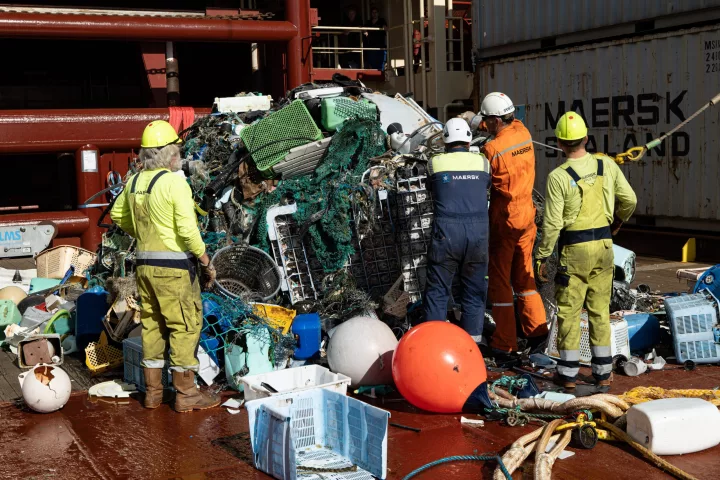 Marine plastic pollution is a big problem, as exemplified by the Great Pacific Garbage Patch. According to a study conducted by the Ocean Cleanup project and Wageningen University, most of the plastic in that patch comes from the fishing industry.
 -
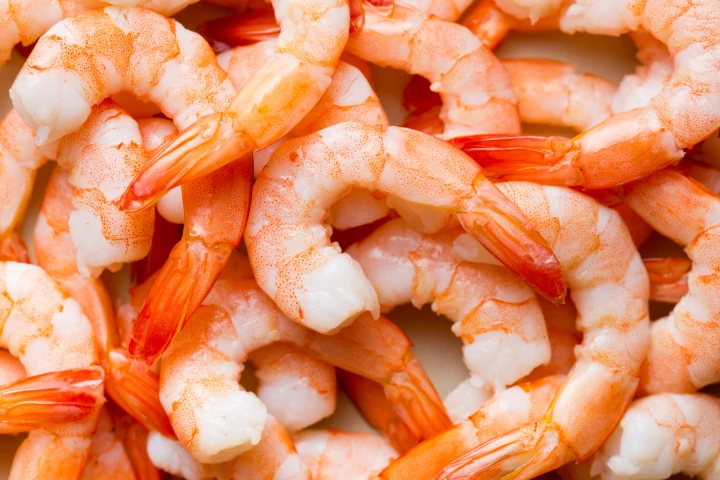 Microalgae is already being used as a fish-free alternative to the fish feed commonly used in aquaculture operations. Taking things a step further, scientists are now looking at using the plant-like organisms to replace the prawns eaten by humans.
 -
 You've no doubt heard about the horrors of lost commercial fishing nets, which drift through the ocean killing a multitude of sea creatures. Well, the Farallon Buoy is designed to help, by allowing fishers to track the whereabouts of those nets.
 -
 Scientists at the University of East Anglia have found a way to accurately measure the age of lobsters using changes in their DNA. The new study is aimed at a better understanding of lobster life cycles and better managing lobster fisheries.
 -
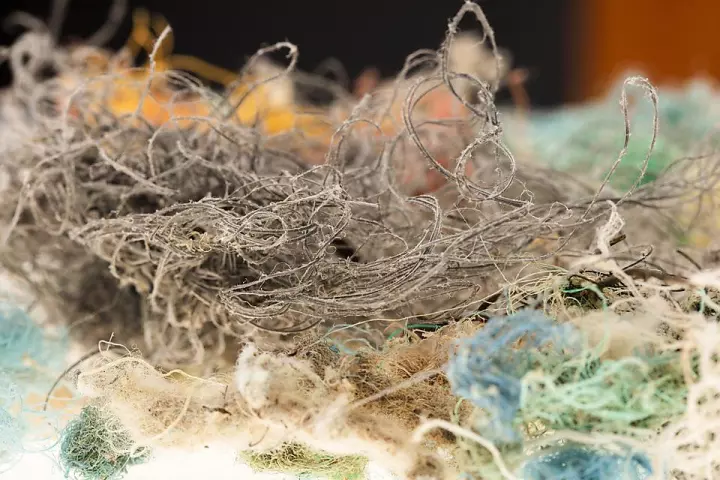 We've been hearing a lot lately about how disintegrated waterborne trash is one of the main sources of ocean microplastics pollution. A new study, however, suggests that aging maritime rope could also be making a significant contribution.
 -
 New research has shown how the tendencies of albatross to trail fishing vessels could be leveraged to aid in conservation efforts, with scientists equipping the birds with tracking devices that can reveal the presence of shady fishing operations.
 -
 Threatened and endangered albatrosses in the South Atlantic are getting a break as BAS seabird ecologist Richard Phillips puts newly developed radar-detecting tags on the seabirds. The tags show when and where the birds are scanned by ship navigation radar.
 -
 So-called "ghost" fishing nets are awful things. Lost or forgotten during commercial fishing operations, they can drift in the ocean for years, indiscriminately catching marine life as they do. A newly-invented tag, however, may help keep that from happening.
 -
 According to the University of Exeter, an estimated 400,000 diving seabirds die annually by getting caught in gill nets intended to catch fish. A new study indicates that the majority of those deaths could be avoided, however, if the nets were to be equipped with inexpensive green LEDs.
 -
 Longline fisheries may catch a lot of fish, but they also catch seabirds such as albatross. Several years ago, a group of conservationists began work on a product designed to keep the birds from getting caught. It's known as the Hookpod, and a recent study has concluded that it really works.
Load More