
Fingerprint
-
 Just like fingerprints, your breathing patterns may be unique. Scientists found they can identify people using only breathing patterns. And it's not just identification, researchers can predict BMI, and anxiety or depression from the way you breathe.
 -
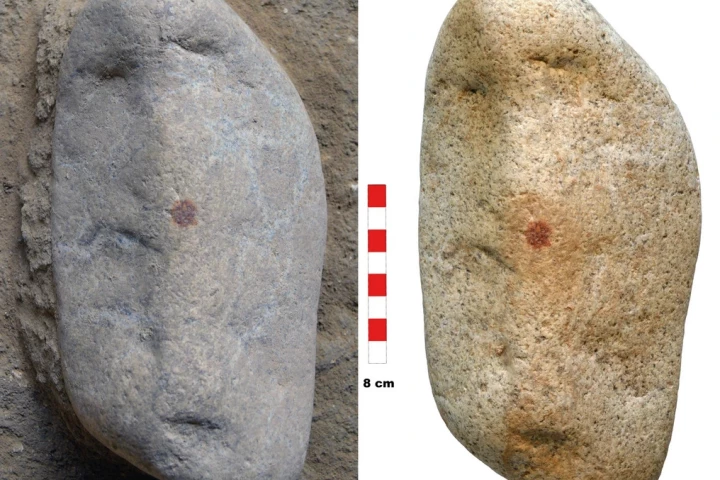 The world's oldest human fingerprint has been discovered at an archaeological site in Spain. The fingerprint was dated at 43,000 years old and is believed to have come from a Neanderthal.
 -
 A question from a curious kid quickly led a team of scientists down a research rabbit hole – one that has now culminated in fascinating new knowledge about our water-wrinkled fingertips. And there's more to this discovery than a cool piece of trivia.
 -
 An experimental new forensic spray allows latent fingerprints to be made visible in just 10 seconds, plus it doesn't require the use of any messy powders. What it does incorporate, however, is a glowing protein that's obtained from jellyfish.
 -
 When someone is using antipsychotic drugs, it's important that they take the correct dosage, and that they don't abruptly stop taking the medication. Soon, a fingerprint sweat test could be used to check that such people are following instructions.
 -
 Even if someone's fingerprints are found on an incriminating document, that person may claim that they handled the blank paper before the criminal printed anything on it. A new technique, however, can now be used to check if that really was the case.
 -
 It would be great if forensics teams could easily lift fingerprints off of bullet casings left at crime scenes, but unfortunately doing so is often very difficult. A new technique developed at the University of Nottingham could change that.
 -
 Finding a person's fingerprints at a crime scene isn't always enough to convict them, as they can claim that those prints were left before the crime took place. That may be about to change, as scientists have devised a method of dating fingerprints.
 -
 Despite what we see on TV and in movies, analyzing and matching latent prints is a difficult business and still the province of experts. But now scientists from NIST and Michigan State University are using algorithms and machine learning as a way to automate the process and make it more efficient.
 -
 A new fingerprint identification technology is promising to lighten the load for investigators, by using chemistry to determine whether prints belong to a male or female.
 -
 Most fingerprint scanners are usually effective, although they can fail to read prints that have been flattened by age or damaged, plus they can be fooled by gelatine casts of fingerprints. That’s why scientists have developed a more reliable scanner, that looks below the skin's surface.
 -
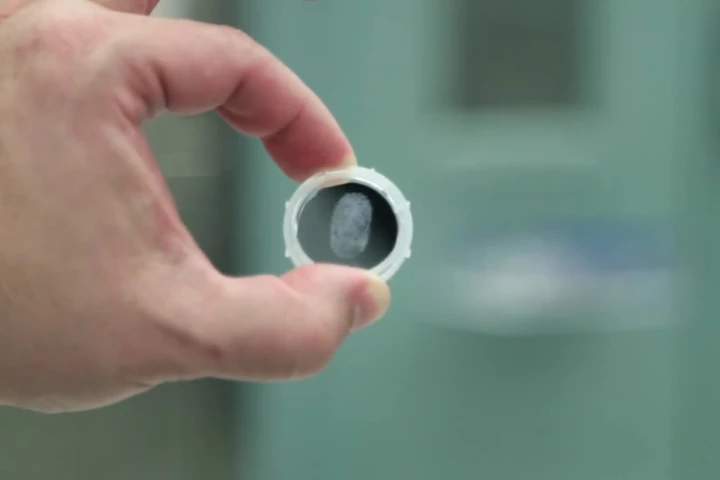 Using a new technique, investigators could soon be better able to determine how many days ago fingerprints were left at a crime scene.
Load More