
Farming
-
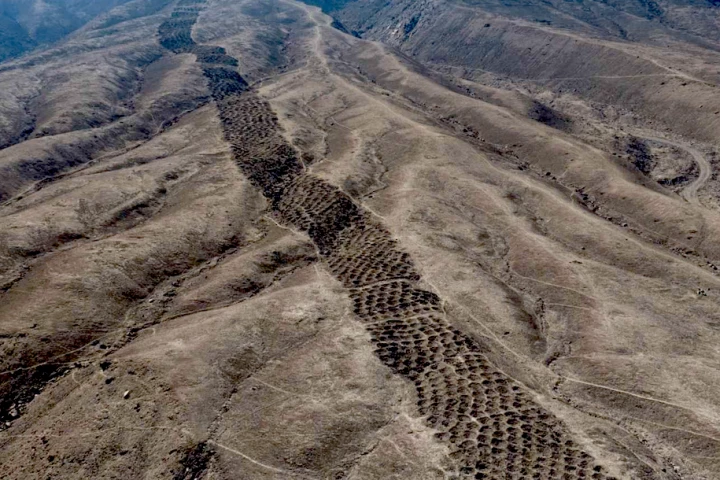 For nearly a century, a strange band of 5,200 holes carved into a hillside has defied explanation. Stretching for nearly a mile along the edge of the Pisco Valley, Monte Serpe – "serpent mountain" – may have finally revealed its secrets to scientists.
 -
 A new video takes you inside Dyson's impressive vertical farming operation, which is home to 1,225,000 strawberry plants and shows you how the company is applying its manufacturing knowledge to producing homegrown food for British consumers.
 -
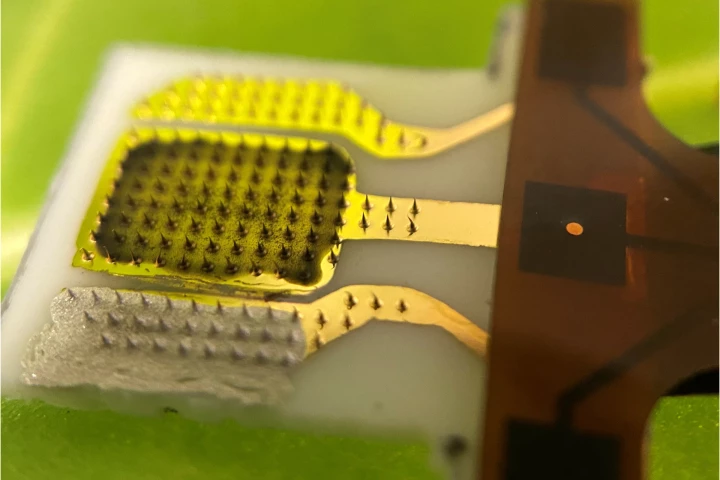 The sooner a farmer knows that their crops are suffering, the faster they can take action to prevent major crop failure. A new plant-leaf-poking sensor could soon help them do so, by sending an alert as soon as the plant gets stressed.
 -
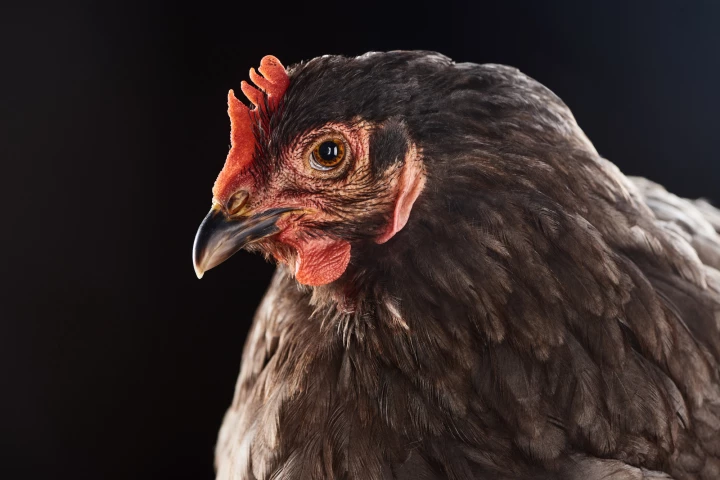 For the first time, researchers found that chickens fluff their facial feathers and blush in response to varied stimulation, likely as a way to reveal their inner emotional states. The link could help improve our stewardship of the birds.
 -
 The fertilizer used on around half of the food we consume is now one of the biggest drivers of human-made greenhouse gas emissions, with China, India, the US, Brazil and Russia the biggest polluters, according to a new global nitrous oxide report.
 -
 It's super-sustainable, easily made and nutrient-dense. And it puts all other food production to shame. Now, the first air-protein factory is open. It's the food of the future, and soon a $100 million industry – but will you be putting it on your plate?
 -
 Upending existing theories, there was no peaceful transition of power from hunter-gathers to the first farmers. New DNA analysis reveals that instead it was a deadly takeover – one that completely wiped out the hunter-gathers within a few generations.
 -
 There's been a takeover of North America's soil by scores of non-native earthworm species this past century. It's time we pay more attention to the invaders and their potentially major impact on the continent's ecosystem, says a new Stanford study.
 -
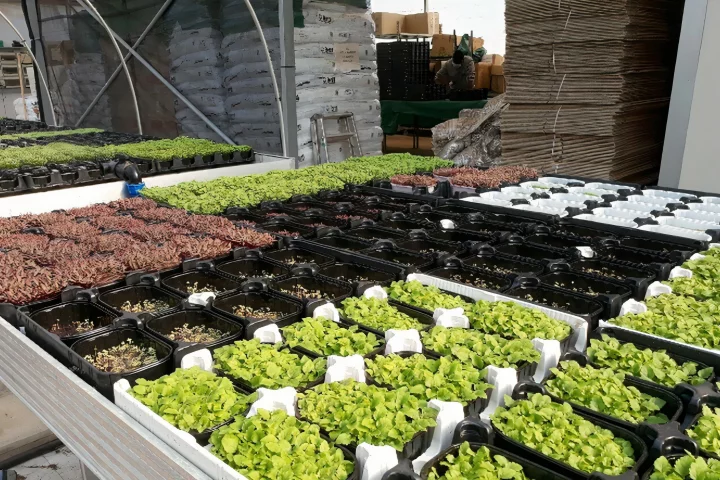 With an eye toward creating food for people with certain health conditions, scientists in Italy grew radish, pea, arugula, and Swiss chard plants, precisely controlling certain nutrients. And they did it without any soil.
 -
 Chinese scientists have developed a cost-effective method of converting coal into protein, which they say could feed livestock much more efficiently than natural plants, while using a tiny fraction of the land.
 -
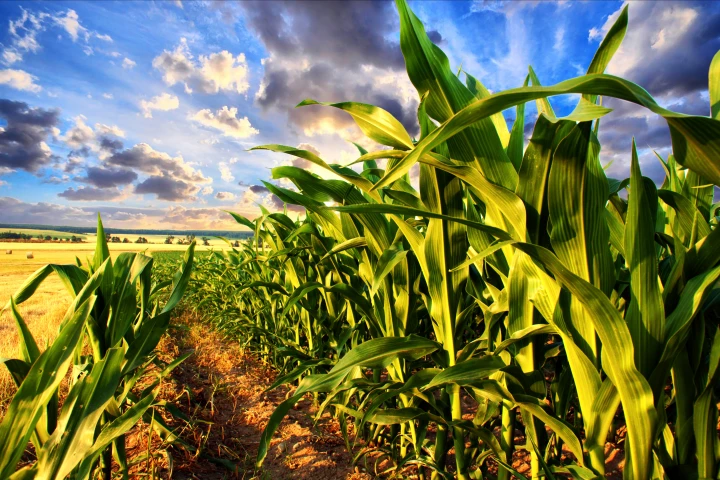 With nearly half the world's soil degraded, growing enough food to feed a global population is getting increasingly difficult and costly. Scientists believe they've got one solution, and it's already all around us: Arbuscular mycorrhizal fungi.
 -
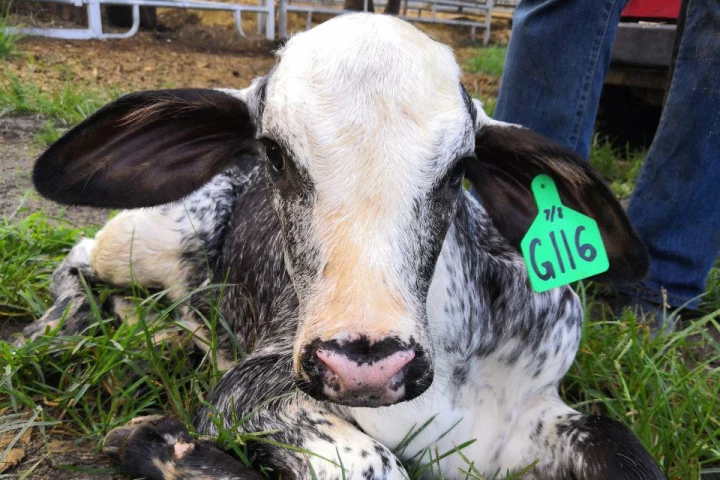 The Gyr cattle farmed in Tanzania handle the African heat well, but they produce much less milk than less-tolerant Holstein or Jersey cows. Scientists have set about addressing that problem, by creating hybrid cattle that combine both attributes.
Load More