
Eye glasses
-
 The Food and Drug Administration has approved a landmark eye drop that uses a combined dose of medication to restore age-related near-sightedness, without the need for surgery, for longer than anything else on the market – and with fewer side effects.
 -
 People with photosensitive epilepsy could soon be able to watch TV without worry. Scientists in the UK have created glasses that can block out specific wavelengths of light known to cause seizures.
 -
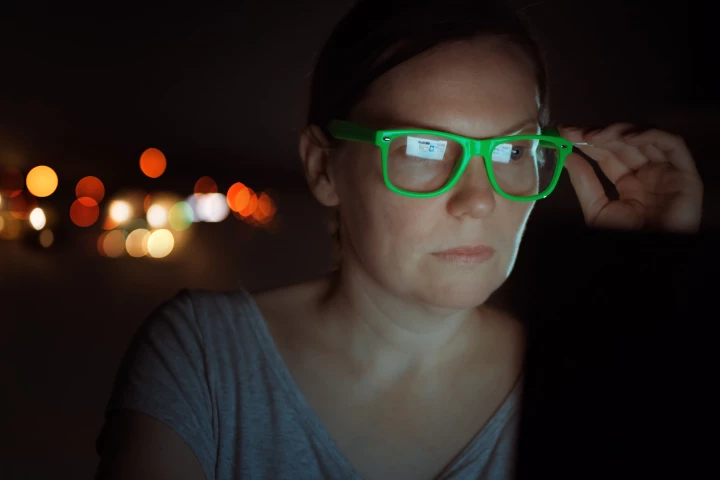 In a study of studies, researchers concluded that eyeglasses that block blue light might not deliver on claims made by advertisers or optometrist offices. They caution consumers to think twice about shelling out the extra cash for the specs.
 -
 A new clinical trial has found that an eye drop commonly used before eye exams may be a safe and effective way of slowing the progression of nearsightedness in children, a condition that can lead to visual impairment later in life.
 -
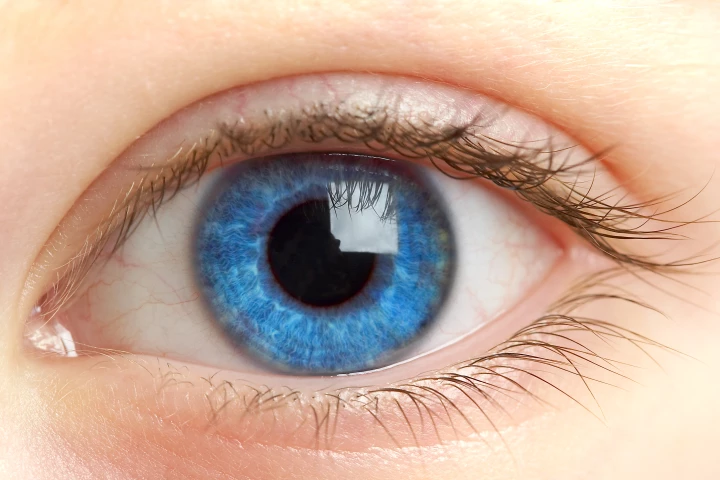 The first FDA-approved eye drops to treat age-related blurry near vision (presbyopia) has gone on sale in the US, offering a potential alternative to reading glasses for the estimated 128 million Americans affected by this common condition.