
Experimental
-
 After two decades in the making, scientists have cracked the code on a drug that can repair DNA, setting the scene for a new class of therapeutics that can fix tissue damage that occurs through heart attack, inflammatory disease and other conditions.
 -
 From 350,757 coin flips to prove probability to the swimming skills of dead trout, the 2024 Ig Nobel Prize winners have been recognized for their absurd work scientific research. And they all walked away with a coveted $100-trillion Zimbabwean banknote.
 -
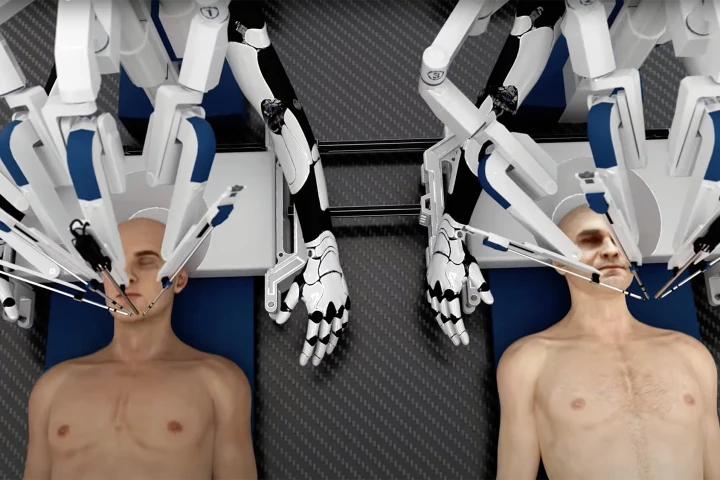 In what sounds more like the opening scene from a B-grade sci-fi/horror flick, head transplant operations performed entirely by AI-robot surgeons could be coming to a hospital near you within a decade, if startup BrainBridge is to have its way.
 -
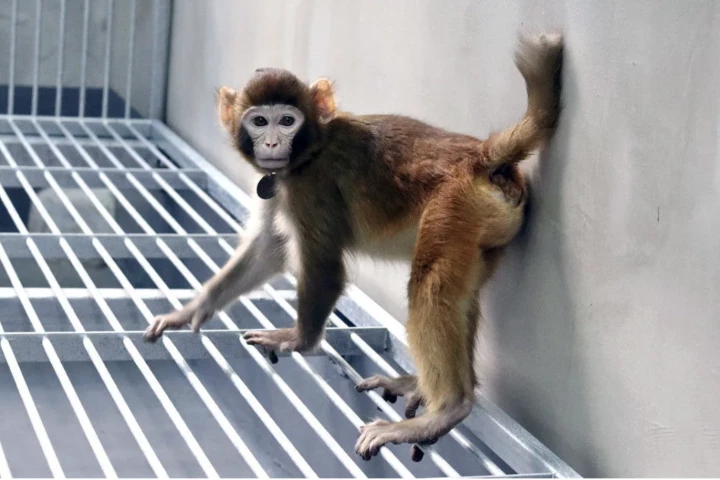 While ethical questions abound, scientists have tweaked traditional SCNT cloning of mammals to produce the very first healthy rhesus monkey that has lived to adulthood. It’s the first successful cloning of a species notoriously hard to 'copy and paste.'
 -
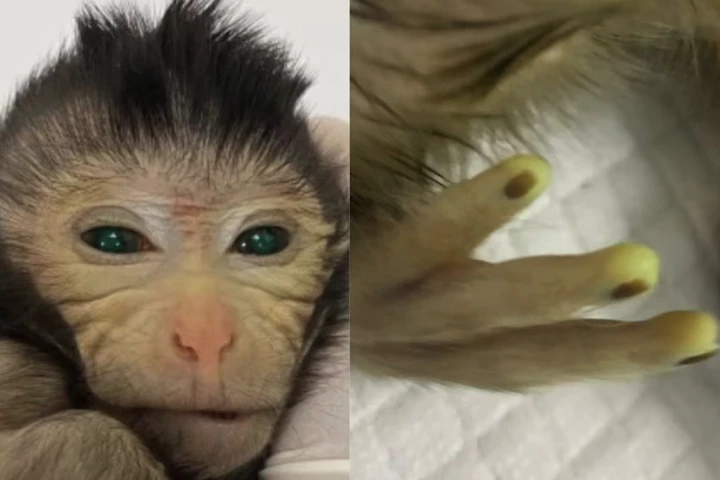 Cells from two genetically distinct macaque embryos have been combined, resulting in the first chimeric primate live birth. The newborn male's green glow reveals how large a part the injected stem cells played in development, stunning scientists.
 -
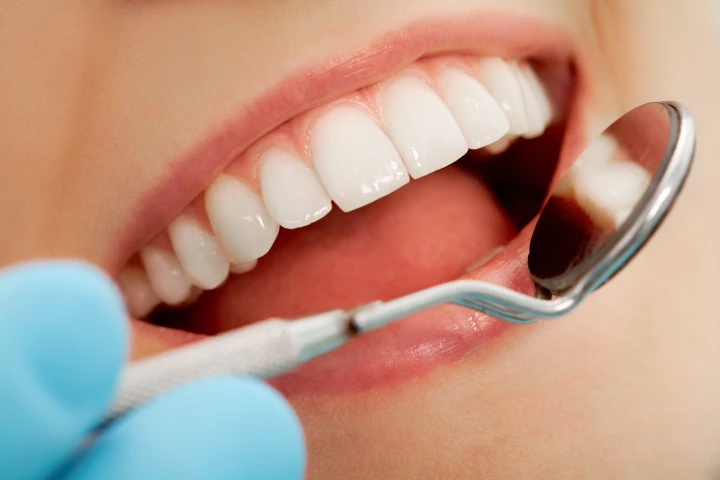 Humans have done remarkably well in evolutionary terms, but one design flaw has to be our inability to replace lost teeth throughout our lives. Now, scientists believe they have the antibody treatment to do just that, and it could be available by 2030.
 -
 Normally, a spacecraft slamming into a planet’s surface at the speed of sound is considered a bad thing, but the European Space Agency (ESA) plans to do just that. Last July, the agency fired a pair of experimental surface penetrators from a rocket sled at a test facility in Wales.
 -
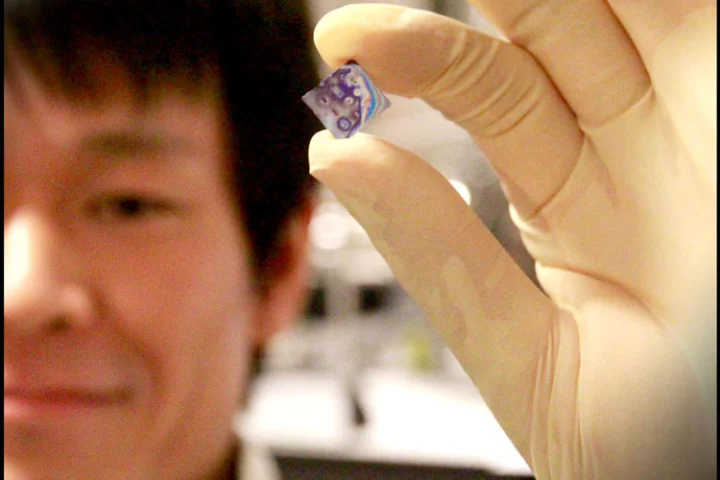 Researchers have succeeded in using a new form of laser cooling to chill a semiconducting membrane to four degrees above absolute zero - the temperature of liquid helium.
 -
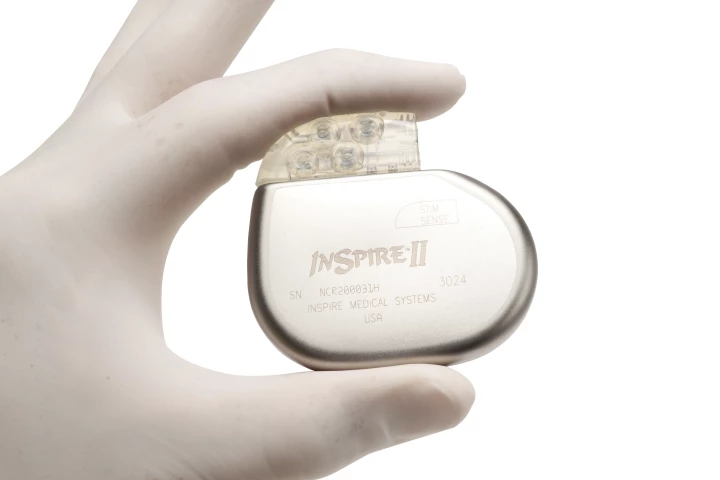 Inspire Medical Systems has developed a new system for sufferers of obstructive sleep apnea which sends low power electric shocks to a nerve at the base of the tongue to keep it from blocking the airway