
Environment
-
 For more than a century, biologists assumed that the bony plates found in the skin of lizards – nature's chain mail – were an ancient feature that some lineages inherited and others later lost. But new evidence suggests this is entirely wrong.
 -
 Human-woven "beaver dams" do more than store water. They help waterways recover from climate alteration, lower water temperatures, enhance flood plain connections prevent wildfire spread, and generate increased biodiversity.
 -
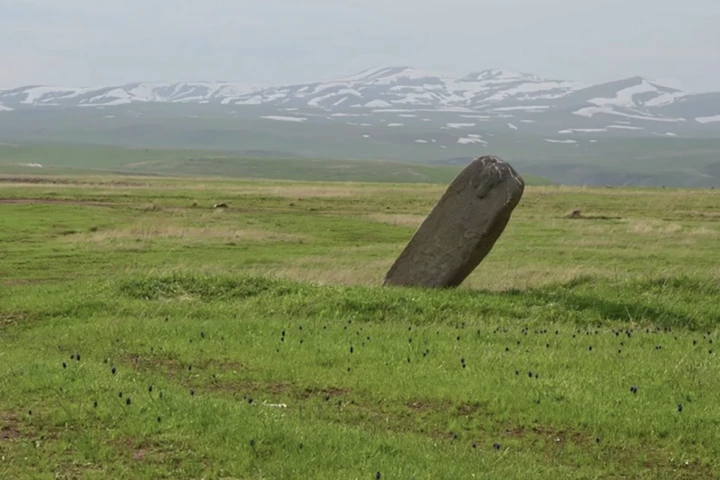 Archeologists say they have solved the 6,000-year-old mystery of Armenia’s “dragon stones" – massive carved monoliths scattered across high-altitude slopes and pastures where no ancient settlements ever existed. It's a story of worship and water.
 -
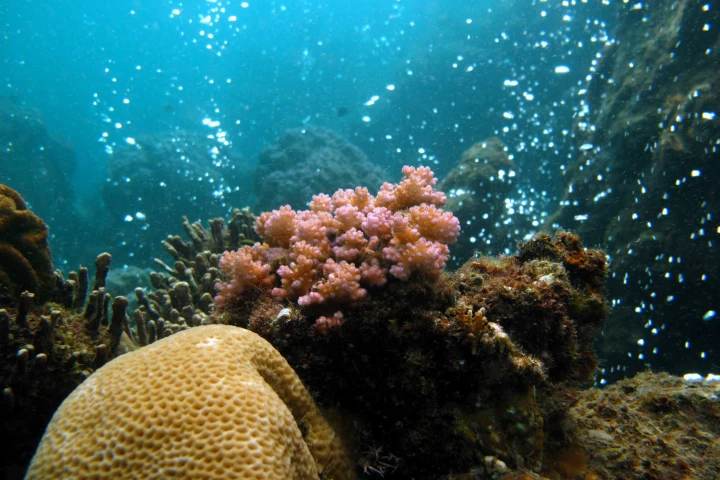 On a remote reef, endless streams of bubbles rise from cracks in the seabed into the shallow water, fed by an underground volcanic system. For scientists, this phenomenon has become a kind of crystal ball, revealing the changes that await marine life.
 -
 Cockroach infestations can worsen allergies and asthma in children, especially in low-income urban homes. Now researchers are better understanding why after discovering bacteria in their guts can release harmful substances called endotoxins into the air.
 -
 Antarctica's ice cores are like frozen diaries of Earth's past. Most continuous records go back about 800,000 years. But in a region called the Allan Hills, a special patch of blue ice holds reveals snapshots dating back as far as 6 million years.
 -
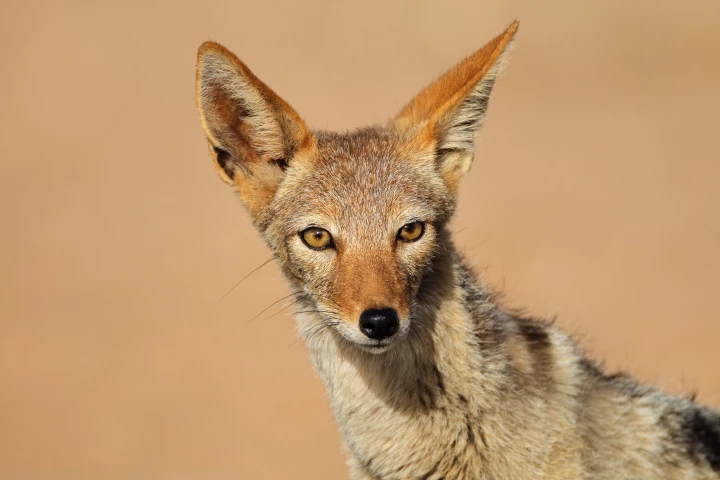 More than a third of large animals that feast on dead animals are struggling to survive, and a new report from scientists warns that their downfall could present a serious risk to human life, with an uptick in zoonotic disease spread as a result.
 -
 A new study published in the journal Evolution is challenging the prevailing belief that evolution is a one-way process. The findings suggest some species of fern can evolve backward, reverting to a more primitive form when the environment demands it.
 -
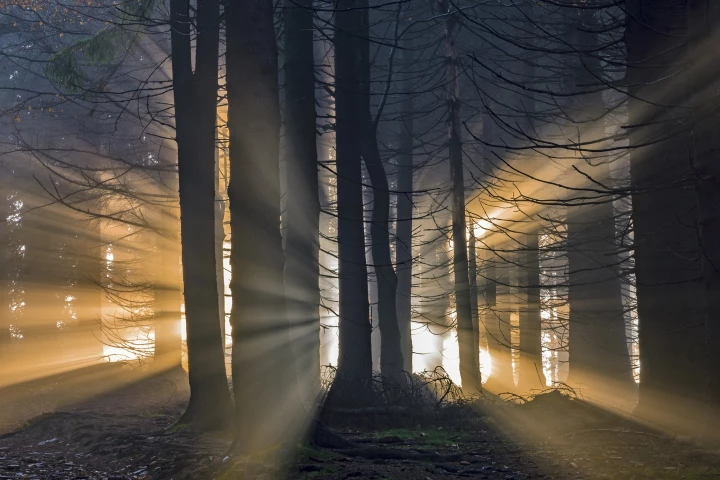 Remarkable research has unlocked new understanding of the mysterious ways trees communicate and share knowledge – and much like in the animal kingdom, the wisdom of age plays a key role. In fact, you may never look at a tree in the same way again.
 -
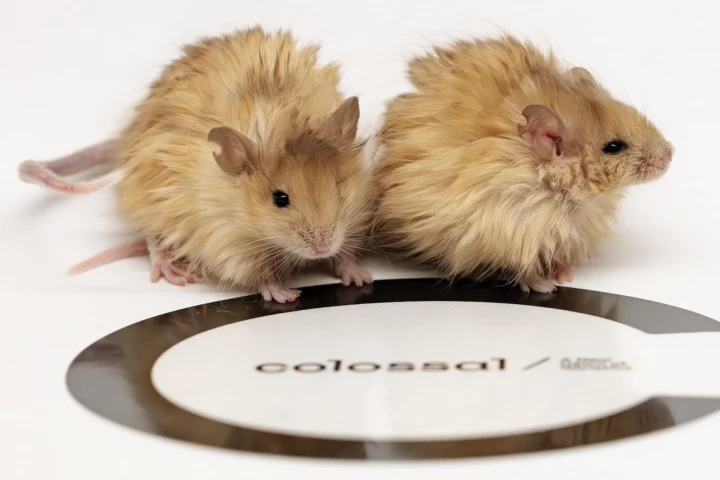 The quest to resurrect the woolly mammoth has taken another step forward, with the creation of the Colossal Woolly Mouse. The lab-made rodents have been genetically altered to possess key physical traits of the extinct beasts – in fur and fat, at least.
 -
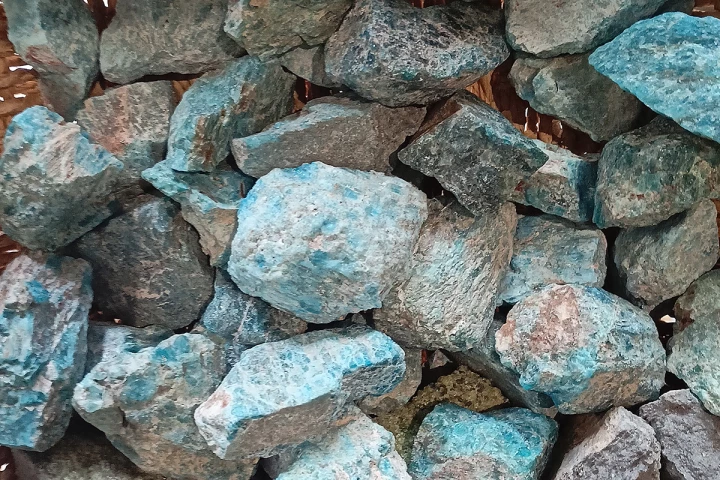 Stanford researchers have found a way to activate commonly found rocks so they capture CO2 out of the air at room temperature. The team believes it could be relatively inexpensive, and can easily scale to help sort our emissions problem worldwide.
 -
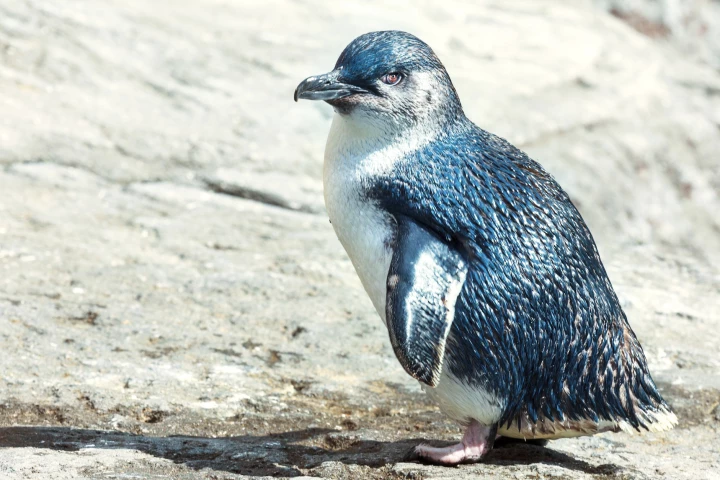 A 13-year study of tiny penguins in Australia has dispelled the long-held myth that these seabirds mate for life, with the 'divorce rate' nearly 10 times that of the current statistics for US adults. And, not surprisingly, it all comes down to kids.
Load More