
Energy
-
 In the first long-term and real-world reflective study of its kind, scientists have uncovered new detrimental health impacts of the artificial sweetener aspartame that echoes those found in shorter research.
 -
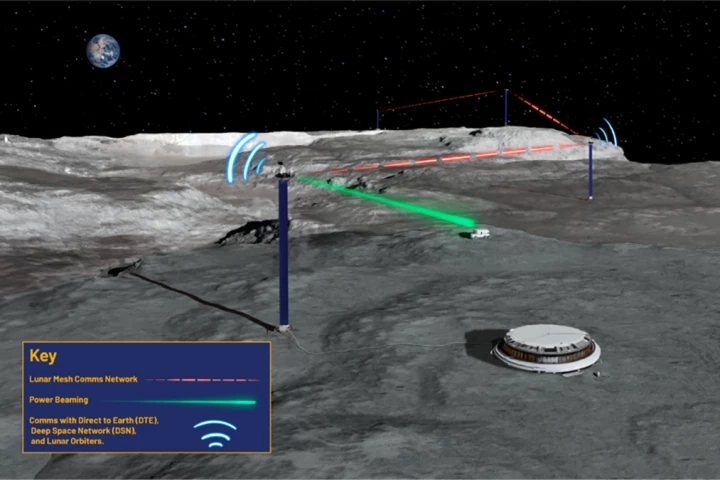 Honeybee Robotics has outlined a plan to build a kind of power grid on the Moon, with a network of Statue of Liberty-sized towers containing solar panels and batteries that provide power and communications, and even act as streetlights.
 -
 American adults are eating 400-500 calories – roughly the same energy intake as a recommended main meal – in snacks every day, and it comes with little nutritional value yet a whole lot of sugar.
 -
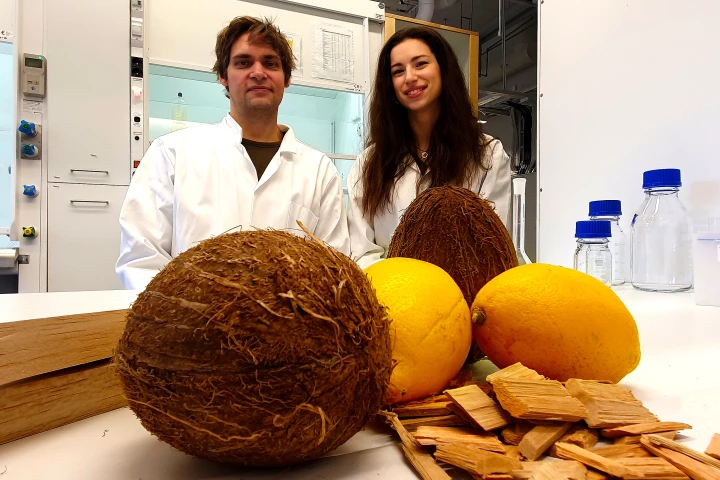 Energy prices around the world have been rising alarmingly since 2021. While some have shared advice on how to heat the person rather than the home, researchers at KTH are working on a building material that could help regulate indoor temperatures.
 -
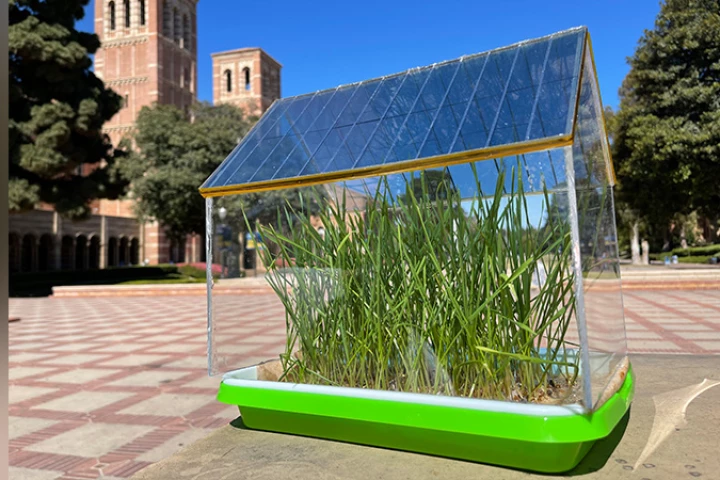 Solar farms and agriculture are competing for land. UCLA Scientists have now tested a way to combine the two by placing semi-transparent solar cells on the glass roofs of greenhouses, finding that they actually improve the growth of plants inside.
 -
 Fitting regular walks into your daily routine can be a great way to get some active minutes into your day, but what if you make that walk as inefficient as possible? A new study has explored this idea via gaits exhibited in a Monty Python sketch.
 -
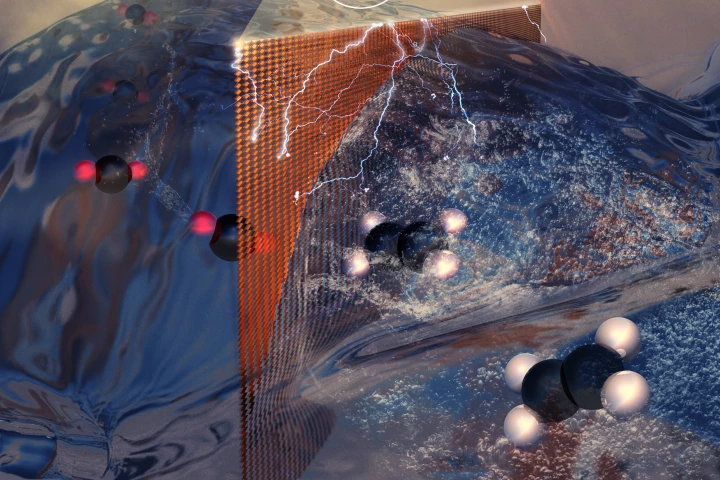 Engineers at UIC have developed a device that can efficiently convert captured carbon dioxide into ethylene, a plastic precursor material. When run using renewable energy, the technique could make for net negative emissions in plastic production.
 -
 Arkenlight and Axorus have teamed up to prototype the first artificial neuron powered by a diamond betavoltaic battery made from nuclear waste. The goal is to develop medical-grade implants with energy sources that will last decades without charging.
 -
 Powering medical implants can be tricky, but tapping into the body’s own fuel source could keep them going long-term. A new design for a tiny fuel cell converts glucose into electricity to power implants more efficiently than any other so far.
 -
 Engineers in the US and Mexico have developed a way to use soot from emissions to improve solar thermal devices. The coatings are not only cheaper to produce but more efficient than using materials like graphene, while reducing pollution.
 -
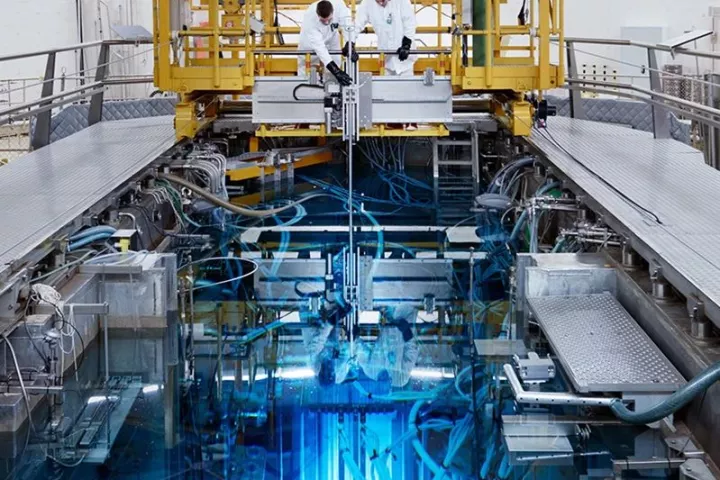 Unless you're really into trivia about gas lanterns and the mantles that make their light so bright, you've probably never heard of thorium, but you may hear a lot more about it in the future. This unassuming metal could one day rival uranium as the nuclear fuel of choice.
 -
 While we've been hearing a lot about wearable piezoelectric devices that produce electricity from people's movements, such gadgets don't work well under certain conditions. A new bioelectric wearable, however, could excel where they falter.
Load More