
Encryption
-
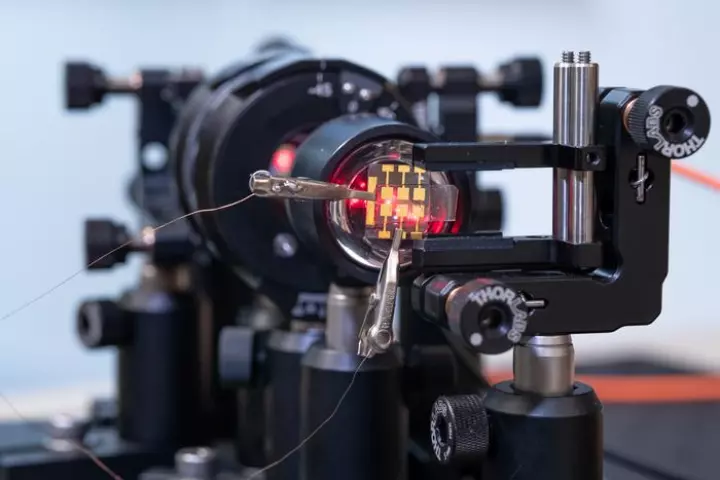 Random numbers are critical to encryption algorithms, but they're nigh-on impossible for computers to generate. Now, Swedish researchers say they've created a new, super-secure quantum random number generator using cheap perovskite LEDs.
 -
 DNA security is a looming problem that scientists and researchers are only just starting to grapple with. A team at Stanford has now developed a way to "cloak" irrelevant genomic information, allowing scientists to access key data without revealing an individual's broader genome sequence.
 -
 Using atoms of the rare-earth element europium, scientists from the Australian National University have shattered previous records for quantum information retention by creating a storage device capable of holding quantum state information for up to six hours at a time.
 -
 Researchers at Lancaster University, UK have taken a hint from the way the human lungs and heart constantly communicate with each other, to devise an innovative, highly flexible encryption algorithm that they claim can't be broken using the traditional methods of cyberattack.