
Empa
-
 While topically-applied medications do help alleviate various skin conditions, they'd be even more effective if they could better penetrate the skin's surface. Newly developed nanoceramic "stars" may one day help, by poking tiny holes in the skin.
 -
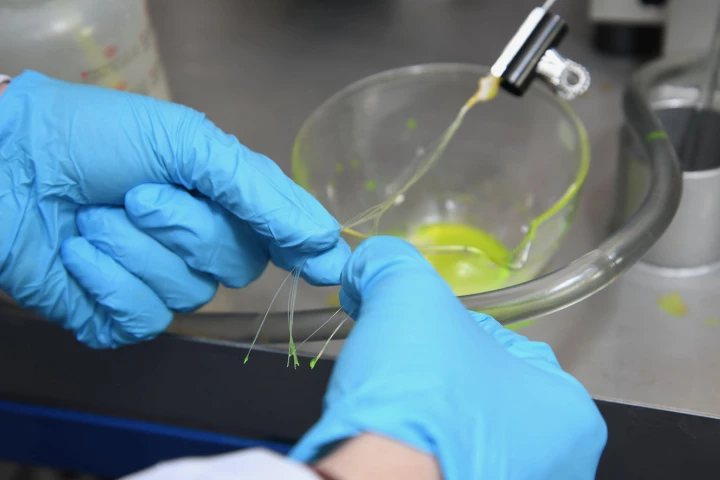 Swiss scientists have developed textile fibers that can be loaded up with just about any drug, then used to dispense that medication right where it's needed in the body. The fibers could be utilized in sutures or bandages, or implanted on their own.
 -
 While sutures suffice for closing most wounds, they can damage delicate tissue, plus they may allow fluids to leak out when applied to internal organs. Scientists have thus set about improving another wound-closure method known as tissue soldering.
 -
 Ordinarily, when treating chronic wounds, caregivers go to great lengths to keep them free of bacteria. An experimental new dressing, however, actually introduces bacteria to help such wounds heal.
 -
 Leaking sutures after abdominal surgery are a potentially life-threatening complication that surgeons might not pick up immediately. Researchers have developed a hydrogel patch that can rapidly detects postop leaks at suture sites inside the abdomen.
 -
 Conventional tests for Alzheimer’s disease don't provide information about what stage it's at. Now, viewing pathological protein clumps with atomic-force microscopy may help doctors not just detect the disease but determine how far it has progressed.
 -
 Whether you're an athlete or someone experiencing foot pain, it's important to eliminate high-pressure areas in the soles of your shoes. An experimental insole could help, by showing where such areas are located during a variety of activities.
 -
 The installation of a cochlear implant is a tricky procedure, in which certain nerves may be damaged if the surgeon isn't careful. A new "smart" surgical drill is designed to help, by automatically shutting off if it gets too close to those nerves.
 -
 While antibiotics are very effective at treating infected wounds, they should definitely be used sparingly. An experimental new bandage was designed with this fact in mind, as it only dispenses medication when it detects the heat of an infection.
 -
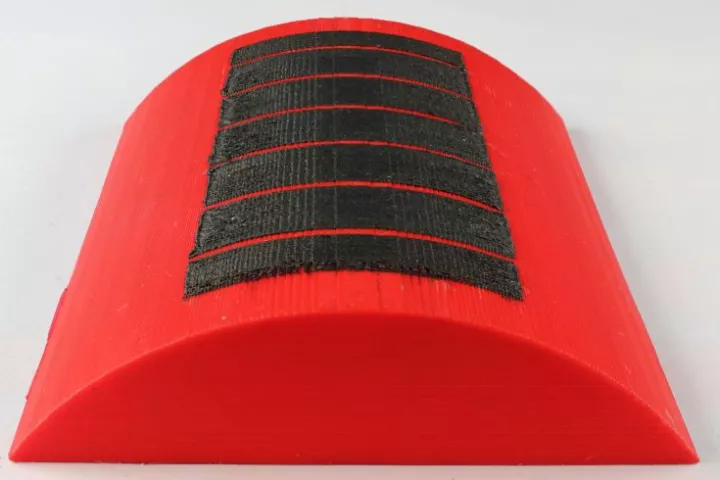 As 3D-printed electrical circuits become more widely produced, the problem of electronic waste could correspondingly get worse. That's why Swiss scientists have developed a new natural-source "e-ink" that biodegrades once discarded.
 -
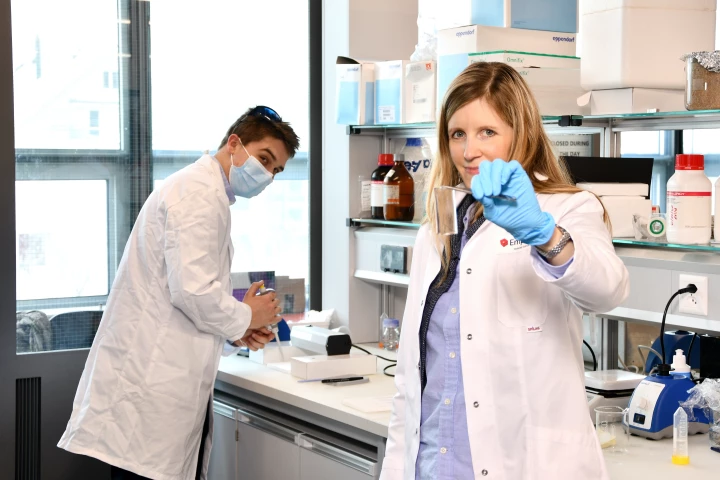 When it comes to closing incisions or other wounds in the digestive tract, sutures alone aren't enough to keep fluids or food waste from leaking out into the abdomen. A new hydrogel patch is designed to help, by thoroughly sealing such injuries up.
 -
 Although optical fibers are highly effective at data transmission, they're also relatively brittle. An experimental new type of optical fiber addresses that limitation, by incorporating a core made of liquid glycerol.
Load More