
Emissions
-
 A new study has looked into whether electric cars are really better for the environment than gas-powered cars. It turns out that this is indeed the case: after two years of use, EVs start reducing their total carbon footprint compared to gas cars.
 -
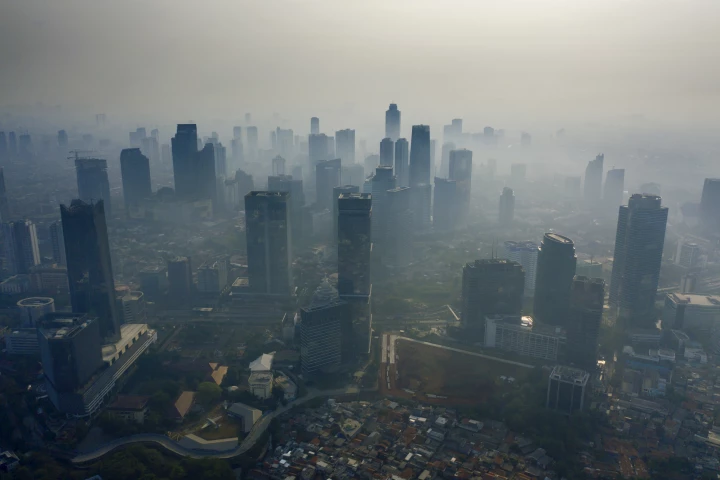 A new study designed to gauge the scale of pollution in the globe's urban areas has concluded that around half come from just 25 cities, with so-called megacities in China and Japan proving to be particularly potent emitters.
 -
 The UK government has announced a legally binding commitment to hit a 78 percent emissions reduction target by 2035, as compared to 1990 levels, on the way to net zero emissions by 2050. For the first time, this target includes aviation and shipping.
 -
 A new Yale study suggests that asphalt, so ubiquitous in our modern cities, continues to release a wide range of chemicals into the air long after it's laid down – and it gets up to three times worse on hot days.
 -
 As tasty as cows are, their greenhouse gas emissions aren’t quite so palatable. To help clean up the agriculture industry, Burger King has now announced it will start feeding its cows a new diet that can cut methane emissions by as much as a third.
 -
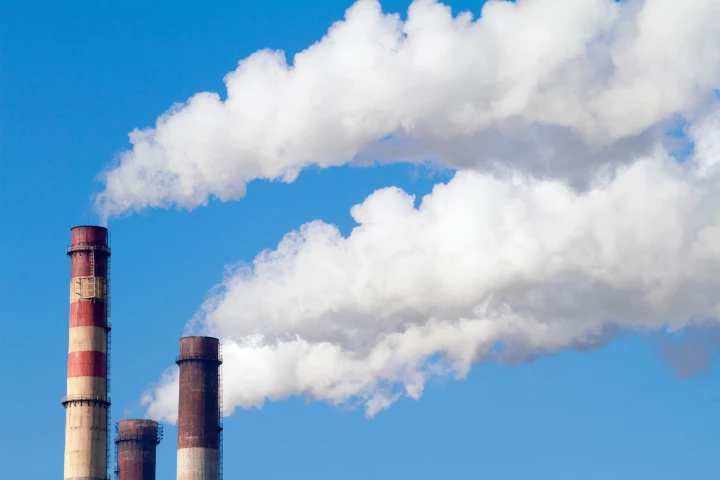 Carbon dioxide is an all too common waste product of industry, belched into the air from smokestacks. Now, researchers have developed a new type of fluorinated membrane that can selectively filter CO2 out of flue gas at the point of release.
 -
 Livestock like sheep and cows are responsible for huge amounts of methane emissions. Now, an international team of researchers has analyzed the gut microbes of different sheep and found clues that may help us curb the problem.
 -
 Do meal kits have a larger carbon footprint than regular grocery store shopping? A team of environmental researchers set out to crunch the numbers discovering that despite the extra plastic waste meal kits may produce less environmental emissions than conventional grocery shopping.
 -
 A new study claims that airlines could significantly reduce their impact on the climate through minor changes to some flight routes. Although the proposed changes would only increase airline operating costs by around 1 percent, their impact on the climate could be reduced by up to 10 percent.
 -
 There's a lot of carbon in automobile exhaust. Carbon is also used as a pigment in black ink. The guys at Singapore-based Graviky Labs have combined the one with the other, by harvesting carbon from vehicles' tailpipes to make their own eco-friendly AirInk.
 -
 Any given CO2 emission will have its maximum warming effect just 10 years later, new research shows. The Institute of Physics (IOP) says this research, published in full on the web today, has "dispelled a common misconception" that the warming effects of CO2 emissions aren't felt for decades.
 -
 As one of our most relied upon construction materials, concrete makes a significant contribution to our overall carbon emissions. By altering the quantities of materials used in this process, scientists have uncovered a method of cement mixing that could reduce these emissions by more than half.
Load More