
Emergencies
-
 When someone collapses from a heart attack, chances of survival fall 10% with every passing minute without defibrillation. Now, scientists have come up with a novel way to reach cardiac arrests faster – using food-delivery riders as first responders.
 -
 An ambulance service in Sri Lanka has equipped its EMTs with a mixed-reality headset to help deliver emergency care with the help of a live-feed doctor in the crucial moments before a patient is admitted to hospital.
 -
 When first responders are tending to accident victims with lacerations, one of their primary goals is to control the bleeding. It may someday be possible for them to do so more effectively than ever, by injecting patients with a magnetic fluid.
 -
 It may look like a discarded piece of plumbing or a message in a bottle bobbing about aimlessly in the river, but Queensland University of Technology's humble "Drifter" hides some serious kit with a lifesaving mission for flood-prone regions.
 -
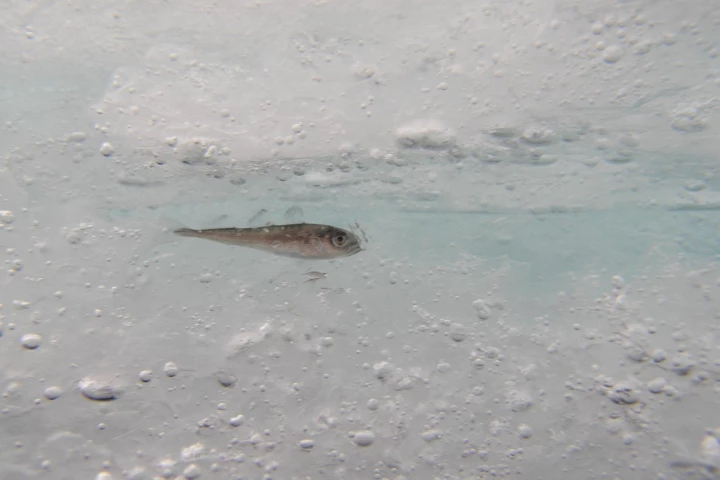 British scientists have copied the fashion in which proteins keep cod fish from freezing, to create a process by which donated human blood could be frozen for storage, then quickly made available for transfusion.
 -
 When a patient can't breathe through their mouth or nose, often the only way of getting air to their lungs is to perform a tracheotomy. This involves making an incision in the trachea, and inserting a breathing tube through it. Now, scientists are creating a device to streamline the process.
 -
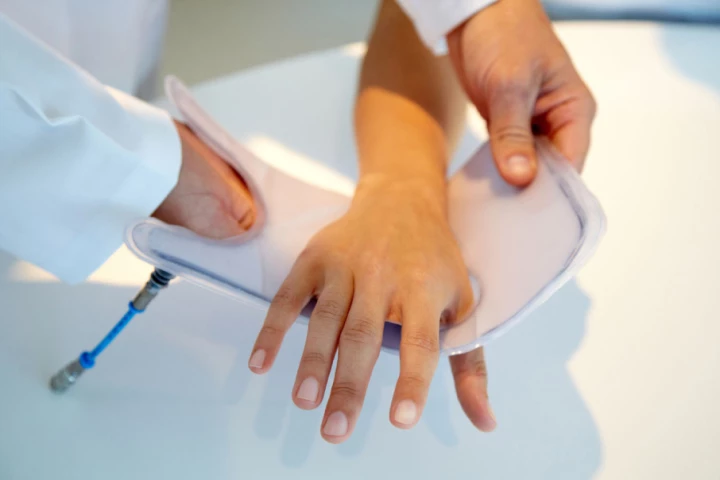 Varstiff is a new textile material that is ordinarily soft and malleable, but that achieves a hardness equivalent to that of rigid plastic once a vacuum is applied.
 -
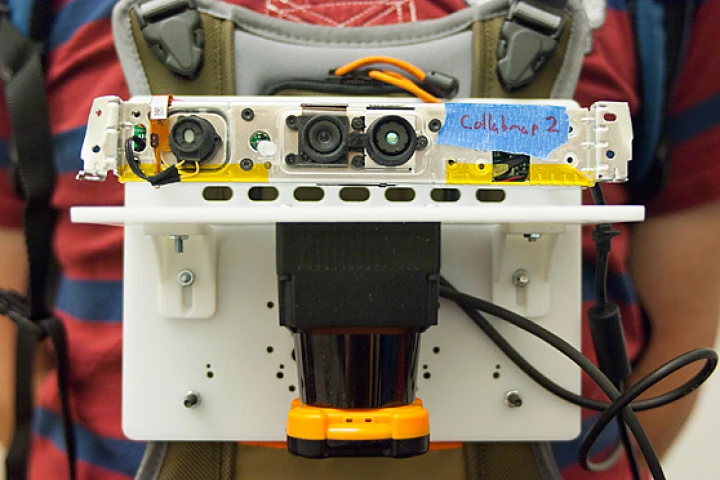 MIT has developed a wearable system that automatically creates a digital map of a building, as the wearer walks through that structure.
 -
 A high-efficiency emergency solar generator by Sun Flare Systems featured on Canadian TV last Sunday
 -
 RumbaTime's series of GO-enabled watches let you bring your cash and all your medical information along with you wherever you go in a small colorful watch.
 -
 Scientists have developed a device that uses beams of electricity to extinguish flames.