
Electromagnetic
-
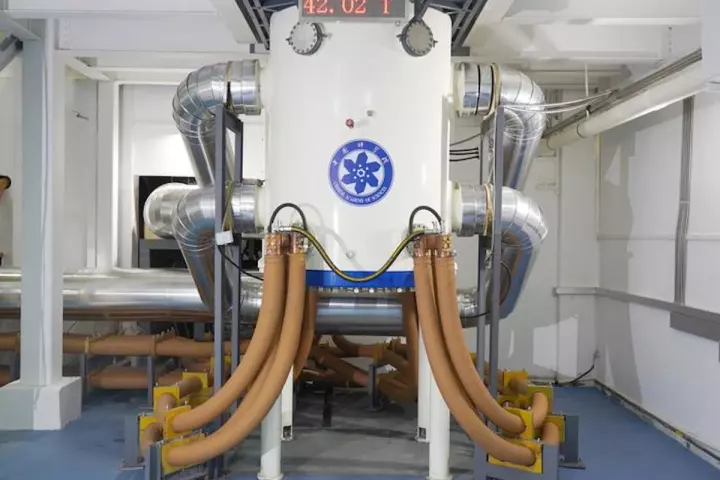 Scientists have developed the world’s strongest resistive magnet, which produced a steady magnetic field of 42 Tesla (T). The system could improve devices that use magnets, as well as enable a range of new experiments that probe electromagnetism.
 -
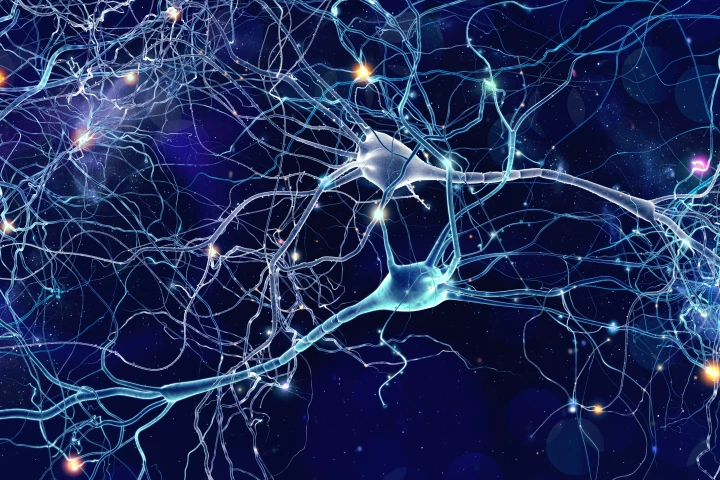 In a move that echoes a sci-fi series, researchers have developed a material that was able to not only stimulate nerves in rodents, but reconnect them as well. The finding could lead to injectable particles that take the place of larger implants.
 -
 A research group at the University of Iowa has built what is described as a "remote control" for diabetes management that uses electromagnetic fields (EMFs) to reduce blood sugar levels and improve the body’s response to insulin.
 -
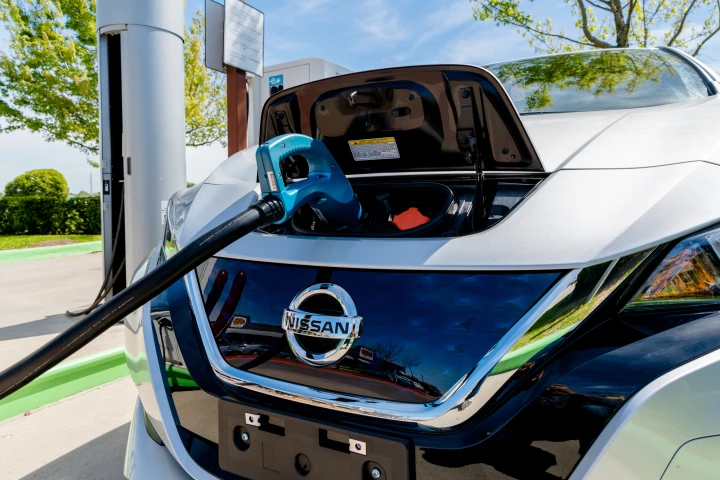 Although it doesn't happen often, it is possible for electromagnetic fields (EMFs) to affect the performance of cardiac implants such as pacemakers. Fortunately, though, a new study indicates that EMFs produced by electric cars pose no such danger.
 -
 A new study from Tel Aviv University suggests that the electromagnetic fields given off by lightning activity around the world could protect living cells from certain kinds of damage, which may have had implications for the evolution of life on Earth.
 -
 If these walls could talk. A new treatment that smartens up walls might not be about to give your bedroom a voice, but it could give it the ability to track your movements and your use of electronics, thanks to a special electrode-laden coating that turns them into interactive surfaces.
 -
 Researchers at Northwestern University have demonstrated that non-invasive electromagnetic stimulation can be specifically targeted to improve precise memories, such as specific shapes and colors of objects.
 -
 Albert Einstein is famous for his theories on relativity, but what of his other grand hypothesis, the unified field theory that consumed the last 30 years of his life without resolution? So will a unified theory of everything ever be realized?
 -
 A research team at the Ohio State University has created electromechanical devices that look like tiny leafless trees and can generate electricity when they are moved by seismic activity, the slight swaying movements of a tall building, or the vibrations from traffic on a bridge.
 -
 On the eve of the first landing on comet 67P/Churyumov-Gerasimenko, the European Space Agency (ESA) announced that the unmanned Rosetta orbiter carrying the Philae lander has recorded a "song" emanating from comet.
 -
 Cefaly, a battery-operated headband that delivers transcutaneous electrical nerve stimulation, has been approved by the FDA and is claimed to not only treat migraines, but possibly prevent them altogether.
 -
 ESA’s Materials Science Laboratory-Electromagnetic Levitator (MSL-EML) is headed for the International Space Station (ISS) in June as part of a program to study the casting of alloys in a weightless environment.
Load More