
Electrolysis
-
 Weight is a premium on space launches, so the less we have to take with us, the better. Now engineers have developed a new electrolysis device that may be able to convert very salty Martian water into breathable oxygen and hydrogen for fuel.
 -
 A Finnish research project has created a batch of protein using electricity, water, carbon dioxide and microbes, in a small portable lab. The stuff is edible and nutritious enough for cooking or livestock feed, and the system could eventually be used to grow food in areas where it’s needed the most.
 -
 Researchers at Monash University claim to have created a solar-powered device that splits water to produce hydrogen at a world-record 22 percent efficiency, which is a significant step towards making cheap, efficient hydrogen production a reality.
 -
 Audi is making a new fuel for internal combustion engines that has the potential to make a big dent when it comes to climate change – that's because the synthetic diesel is made from just water and carbon dioxide.
 -
 Multiple efforts are underway to put people on Mars, but they may not succeed for decades. In the meantime, a new space race is on to create breathable air on the Red Planet.
 -
 Scientists from Ecole Polytechnique Federale de Lausanne (EPFL) in Switzerland have created a solar water splitting technique that uses common materials. They have also achieved a record solar energy to hydrogen conversion efficiency of 12.3% in the process.
 -
 Chemical engineers have found a 30-year-old recipe that stands to make future hydrogen production cheaper and greener. Researchers have discovered a way to liberate hydrogen from water via electrolysis that does not require the expensive metal platinum.
 -
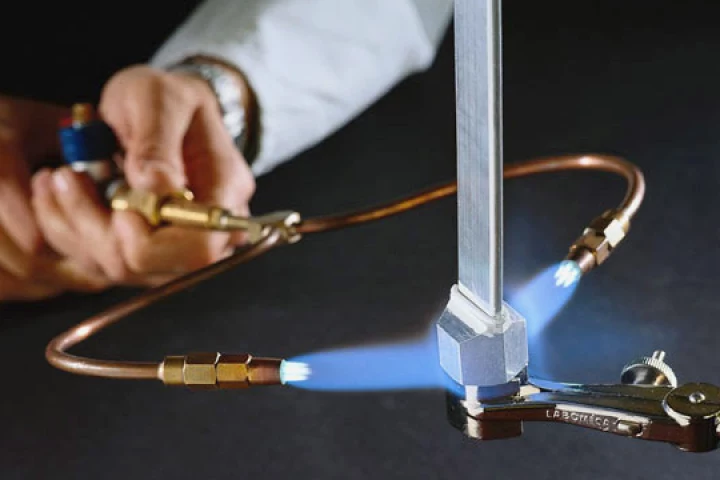 The pressurized gases used in brazing and related tasks are highly flammable, and thus very dangerous. You know what isn't flammable, though? Water. Bearing that in mind, the SafeFlame consortium has developed a torch system that generates a flame using nothing but H2O and electricity.
 -
 Researchers at Case Western Reserve University (CWRU) have been selected by ARPA-E to carry out a one year project aimed at developing a low cost method to obtain titanium metal from its ore. The process could lower the cost of the metal by up to 60 percent.