
Electricity
-
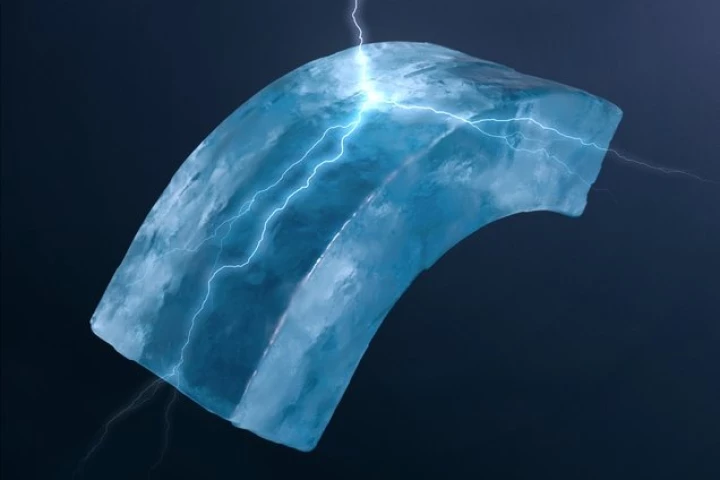 A cool new study with chilly implications from a team led by the Catalan Institute of Nanoscience and Nanotechnology at the Universitat Autònoma de Barcelona (UAB) has shown for the first time that ice can generate electricity in two surprising ways.
 -
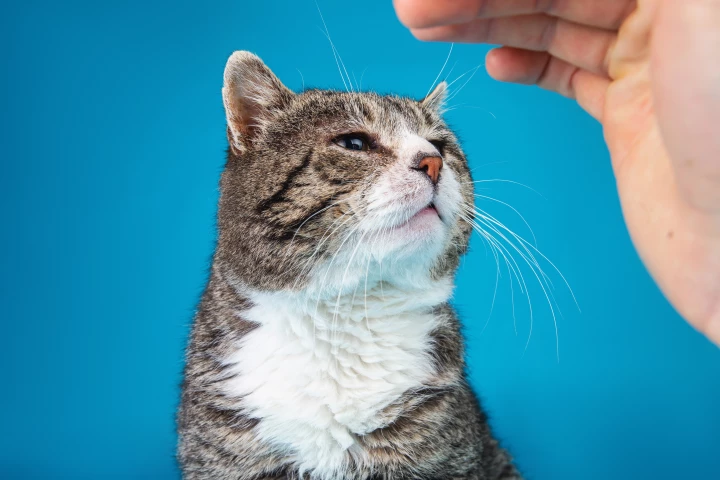 Incredibly, for the first time, scientists have unraveled how static electricity works, something first recorded in 600 BCE but not fully understood until now. While cats are not the only culprits, their fur is a prime vessel for charging your hands.
 -
 A study has found that an electric eel’s discharge is strong enough to transfer genetic material from the environment into the cells of nearby animals. The finding suggests that electric eels could affect genetic modification in nature.
 -
 Research has found that non-invasively applying a mild electrical current to the brain twice a day for six weeks improved cognitive functioning and plasticity, the ability of the brain to ‘rewire’ itself, in patients with Alzheimer’s disease.
 -
 In diabetics, wounds tend to progress quickly and heal slowly. Researchers have used electricity to heal diabetic wounds three times faster, which offers great potential for treating those with diseases that lead to reduced wound healing.
 -
 Studying how bacteria interacts with the environment, a microbiology team discovered a powerhouse of an enzyme that consumes hydrogen and turns it into electricity. Researcher Rhys Grinter told New Atlas what the findings could mean for clean energy.
 -
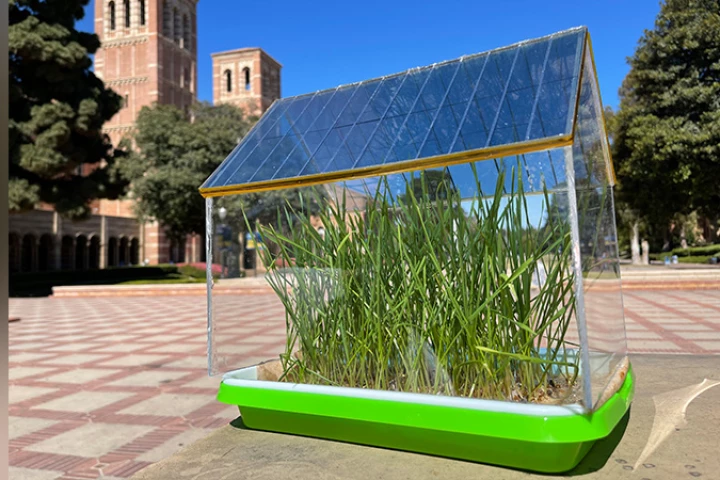 Solar farms and agriculture are competing for land. UCLA Scientists have now tested a way to combine the two by placing semi-transparent solar cells on the glass roofs of greenhouses, finding that they actually improve the growth of plants inside.
 -
 Scientists have demonstrated a more advanced lightning rod than a humble metal stick. Beaming a high-powered laser into the sky was shown to deflect lightning bolts, enabling laser lightning rods that protect a wider area from dangerous strikes.
 -
 New research shows that swarms of insects like bees and locusts can actually produce atmospheric electric charges. By measuring the extent of this influence, the team found that large swarms could produce as much charge as a storm cloud.
 -
 The best bits of thunderstorms often happen above the clouds. Scientists have now described in detail the most powerful “gigantic jet” of lightning ever observed, which blasted energy equivalent to 60 regular lightning bolts upwards into space.
 -
 Researchers at MIT have observed “electron whirlpools” for the first time. The bizarre behavior arises when electricity flows as a fluid, which could make for more efficient electronics.
 -
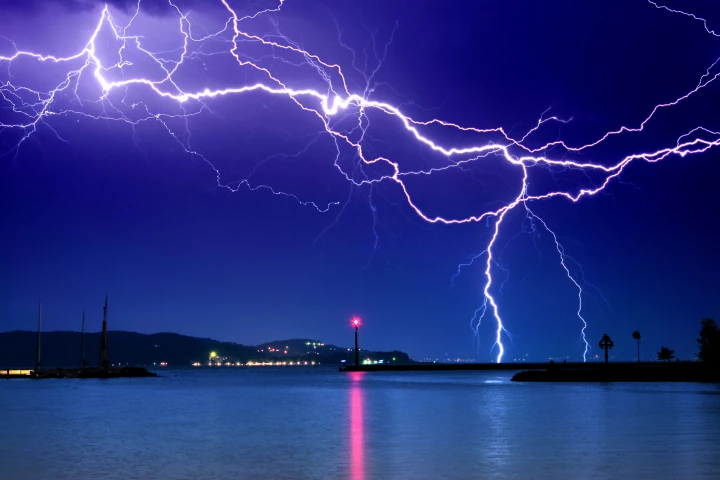 Lightning is a major trigger for wildfires, like the record-breaking blazes that devastated Australia and California this year. But what if we could redirect lightning to strike safely? Graphene particles trapped in a tractor beam could do just that.
Load More