
Efficiency
-
 A new aerodynamic device has the potential to reduce the energy consumption of supermarket refrigerators by up to 41.5 percent. The product can be clipped onto existing cabinets, making it easy for companies to upgrade their stores.
 -
 It's a simple fact that the more fluid an oil is, the easier it is to pump. That's why Temple University's Prof. Rongjia Tao has developed a device that reduces the viscosity of crude oil by electrifying it.
 -
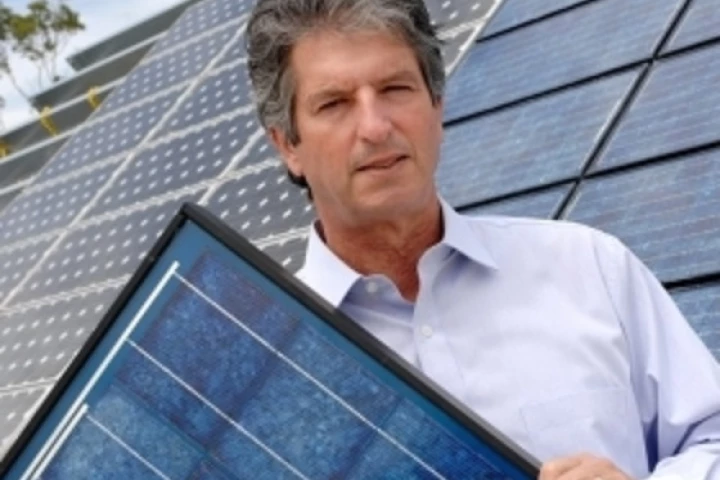 Solar researchers working at the University of New South Wales claim to have produced a system that converts over 40 percent of incoming sunlight into electricity, thereby taking the title of highest solar efficiency for a photovoltaic system ever reported.
 -
 While completing his PhD at the University of Cambridge, Dr Niraj Lal found that just as Buddhist singing bowls retain vibrations and sound, miniaturized versions interact with light in much the same way. These "nanobowls" could serve as components in highly efficient solar cells.
 -
 Researchers at MIT have used a new method to craft solar cells from ultra-thin layers of quantum dots to set a new record of nine percent for the most efficient quantum-dot solar cells produced to date.
 -
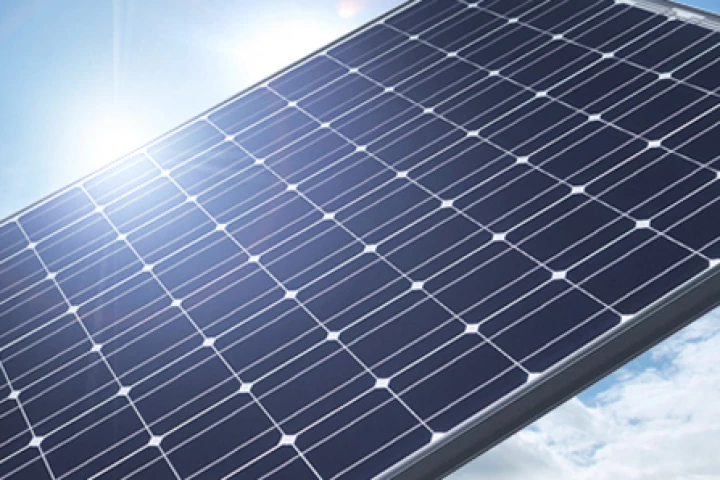 Panasonic is reporting a 25.6 percent conversion efficiency for its HIT (Heterojunction with Intrinsic Thin layer) solar cells, which it claims as a world record for crystalline silicon-based solar cells of a "practical size."
 -
 In 2012 researchers reported an efficiency record of 8.6 percent for a prototype solar cell consisting of a wafer of silicon coated with a layer of graphene doped with TFSA. Now another team is claiming a new record efficiency of 15.6 percent by ditching the silicon all together.
 -
 Spectrolab has set a new solar cell efficiency record of 38.8 percent for a ground-based multi-junction solar cell. The new world record doesn't exactly smash the previous record of 37.8 percent set by Spectrolab earlier this year, but is welcome news in a field where every percentage point counts.
 -
 California-based Spectrolab has set a new solar cell efficiency record of 37.8 percent using a ground-based multi-junction solar cell.
 -
 A team of scientists from the U.S. Naval Research Lab may have found the key to breaking the 50 percent conversion efficiency barrier with an innovative multi-junction solar cell.
 -
 Scientists have created a new sandwich-like material, that is said to boost the efficiency of organic solar cells by 175 percent.
 -
 The OnPlug is essentially a single-outlet power bar, that keeps household electric devices from drawing phantom power.
Load More