
Ecology
-
 Human-woven "beaver dams" do more than store water. They help waterways recover from climate alteration, lower water temperatures, enhance flood plain connections prevent wildfire spread, and generate increased biodiversity.
 -
 What has 14 legs, lives at the bottom of the sea, and looks like Darth Vader? It's a newly discovered species of supergiant isopod, and should you happen to be in Vietnam sometime soon, you can buy one and eat it.
 -
 Gathering genetic material from treetops in tropical rainforests would be a near-impossible task to perform safely by hand. That's why scientists have developed a system that allows a drone to do the job, without even touching the trees itself.
 -
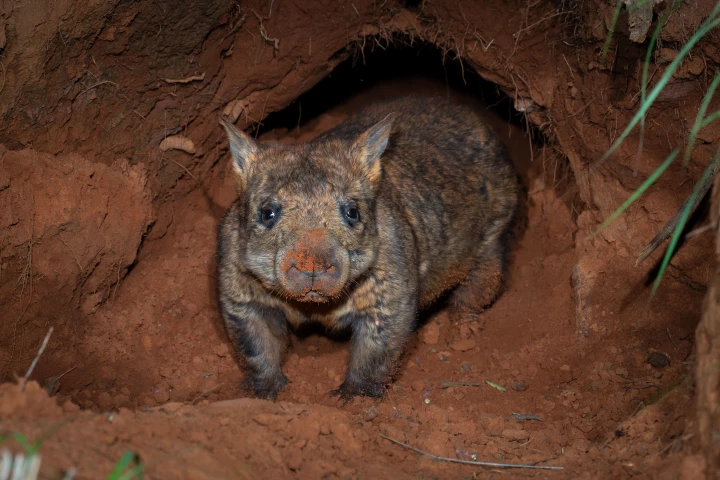 Seeing a wombat in regional Australia is not a rare experience, but when ecologists captured this particular one emerging from a den and casually wandering past a motion-sensor camera in the middle of the night, there was serious cause for celebration.
 -
 If a giant prehistoric salmon isn't scary enough for you, how about one with warthog-like tusks? According to a new study, Oncorhynchus rastrosus possessed just such appendages – even though the fish likely fed on tiny plankton.
 -
 Scientists have discovered that audio recordings of healthy coral reefs may help attract free-swimming coral larvae to damaged ones. The finding could be a major step toward preserving the world's coral reefs.
 -
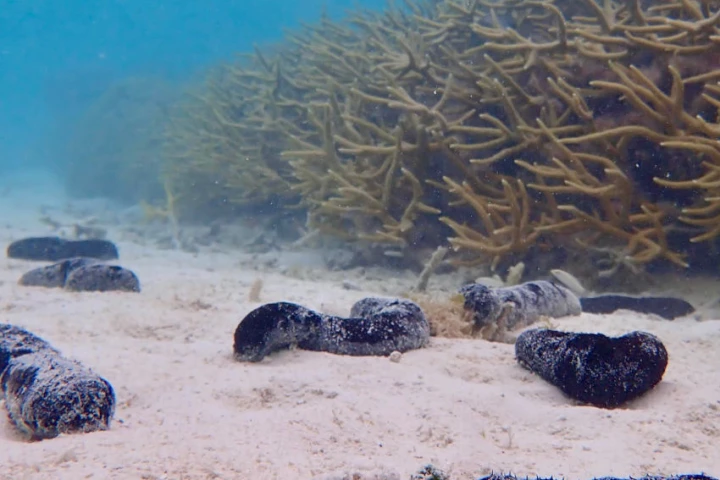 Although the humble sea cucumber may not look like much, it could soon be recruited to help save the world's coral reefs. The bottom-dwelling animals have been found to play a vital role in protecting corals from harmful bacteria.
 -
 For the first time ever, a lone orca has been observed killing and eating a great white shark. Although orcas were already known to hunt great whites in packs or pairs, one had never been seen going solo before. The finding suggests the emergence of a new hunting strategy.
 -
 No-one has seen the Yellow-crested Helmetshrike for about 20 years. That changed when researchers embarked on a six-week expedition in the Democratic Republic of the Congo and captured the dramatic-looking yellow-topped bird in its first-known photo.
 -
 There's been a takeover of North America's soil by scores of non-native earthworm species this past century. It's time we pay more attention to the invaders and their potentially major impact on the continent's ecosystem, says a new Stanford study.
 -
 Ordinarily, once a fern's leaf fronds have died, the plant has no further use for them. Such is not the case with the Cyathea rojasiana fern, though – a scientist has discovered that its dead fronds become "zombie leaves" which suck nutrients from the soil.
 -
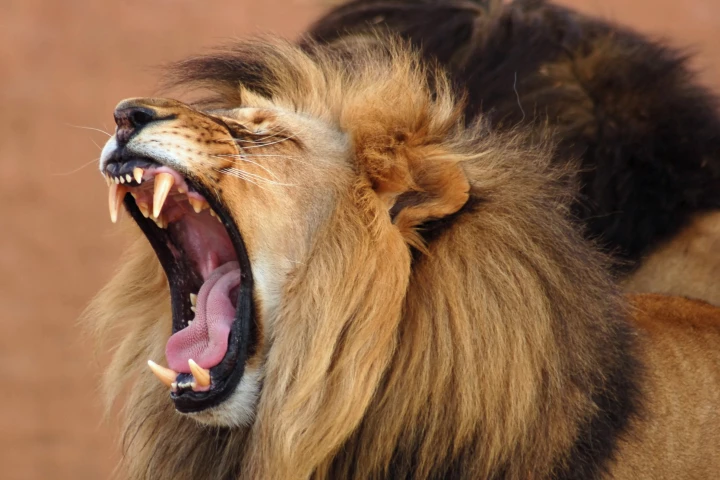 It almost sounds like a fairytale: a tiny ant dramatically impacting a giant lion. But thanks to a study that reveals just how interconnected all life forms really are, researchers have just figured out that it happened on the savannas of Africa.
Load More