
E-waste
-
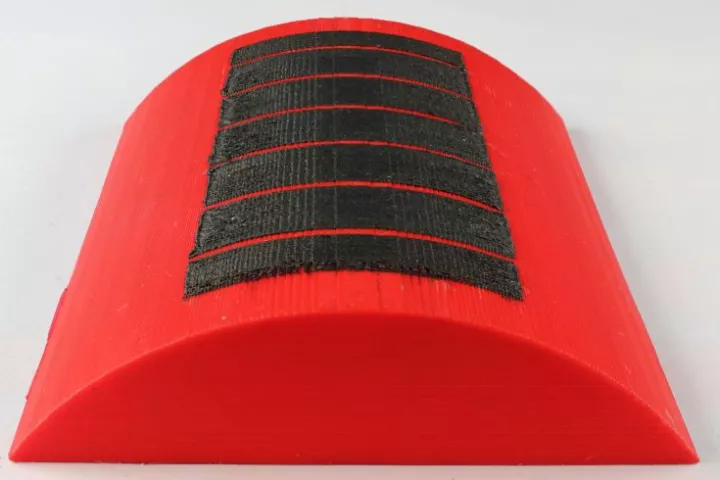 As 3D-printed electrical circuits become more widely produced, the problem of electronic waste could correspondingly get worse. That's why Swiss scientists have developed a new natural-source "e-ink" that biodegrades once discarded.
 -
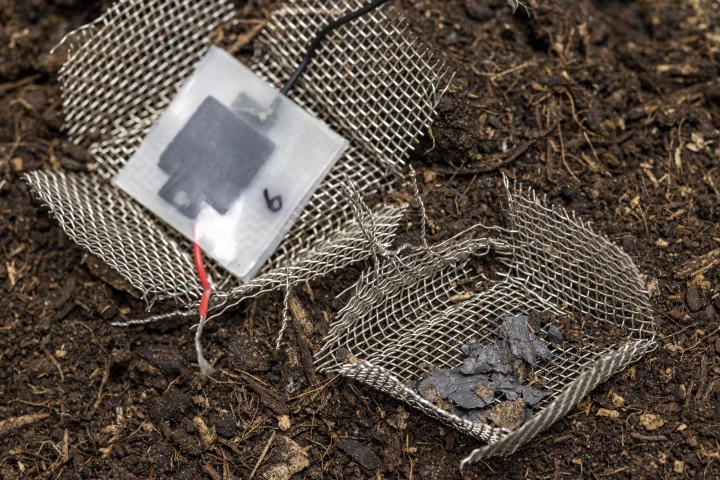 As technology continues to evolve, we're going to see an increasing number of battery-powered connected devices – some of which will be single-use, like shipping packaging. A new biodegradable mini-capacitor has been created with such uses in mind.
 -
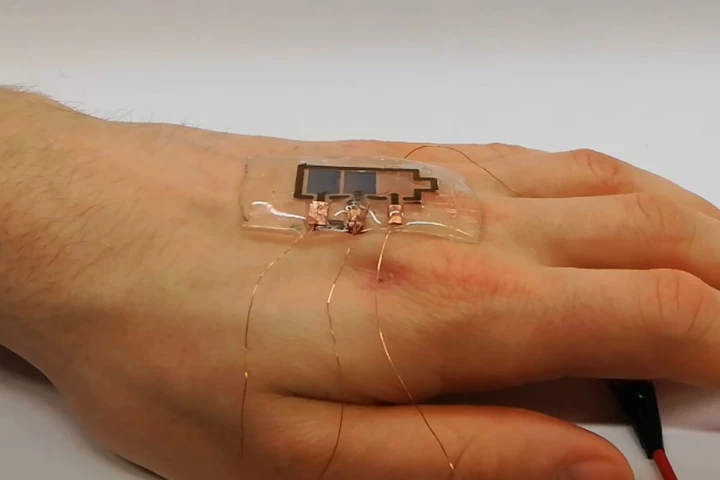 E-waste is a growing problem, so if an electronic component can't be reused or recycled, it should at least be biodegradable. That's where an experimental new electronic display comes in, as it can be composted when no longer needed.
 -
 Our love of gadgets and technology is leading to a huge electronic waste problem. TCO Development, the folks behind the global sustainability certification, has announced a new initiative to help with our growing e-waste problem.
 -
 Disassembling electronics into their various components for recycling is a laborious process, and involves the use of eco-unfriendly solvents. Now, however, scientists have developed a magnetically-deactivated glue that could address these problems.
 -
 One year out from the Tokyo games Japan has unveiled its Olympic medals, which will adorn winning athletes in metals recycled from discarded gadgets. Tons of scrap metal was recovered from small electronics collected all over the country for the initiative.
 -
 Electronic waste is a growing problem, and if we're ever going to get on top of it, then we need to be able to recycle electronic devices as thoroughly as possible. Thanks to a new temperature-sensitive adhesive, doing so could soon be easier than ever.
 -
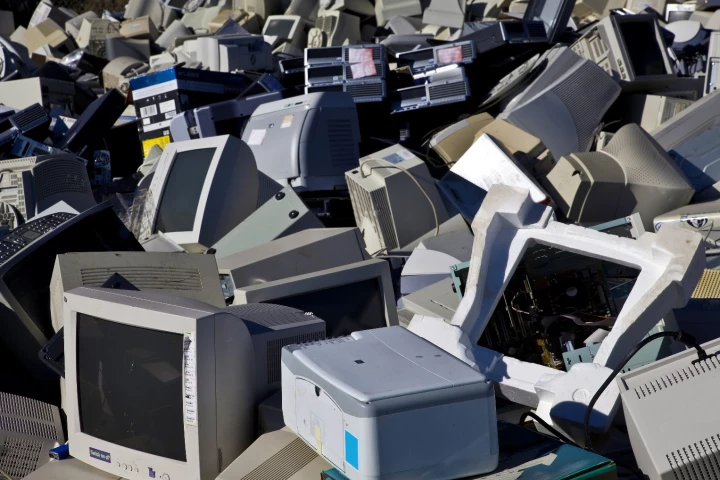 Discarded electronics (or e-waste) brimming with valuable and toxic components is building up in landfills around the world, and it’s notoriously tricky to recycle. Now, researchers have a new way to tackle the e-waste issue: freeze it, grind it into “nanodust” and then sort it out.
 -
 A research team at the University of Saskatchewan has found what may be an inexpensive and environmentally friendly way of recycling gold from jewelry and electronics using a solution of reusable table vinegar.
 -
 Researchers from the Young Investigator Network at Karlsruhe Institute for Technology (KIT) in Germany are developing printed electronics from natural and compostable materials that could help make a dent in the millions of tons of electronic waste piling up worldwide each year.
 -
 A new Kickstarter aims to make deodorant more environmentally friendly by cutting back on plastic packaging. By replacing the disposable stick with a reusable dispenser, ClickStick's designers claim plastic waste is cut by 90 percent. But is the good work undone by overcomplicating a simple product?
 -
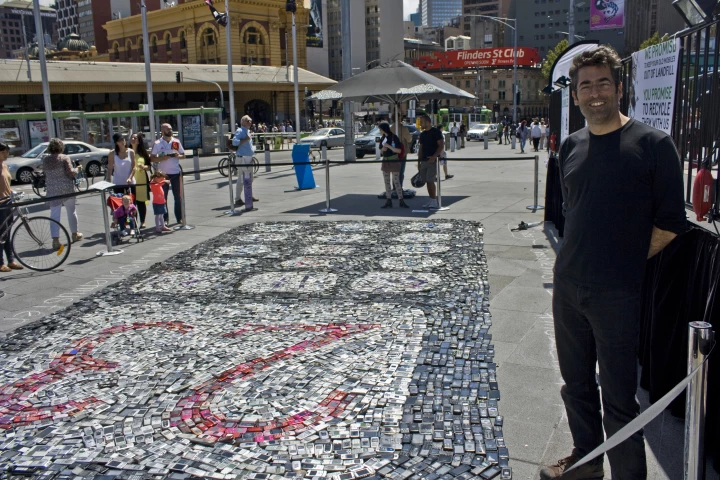 Seattle-based photographer and activist Chris Jordan aims to make measures of consumerism manifest through visual art and, as he tells Gizmag, bridge the disconnect between our mass consumption and its largely invisible consequences.
Load More