
drones
-
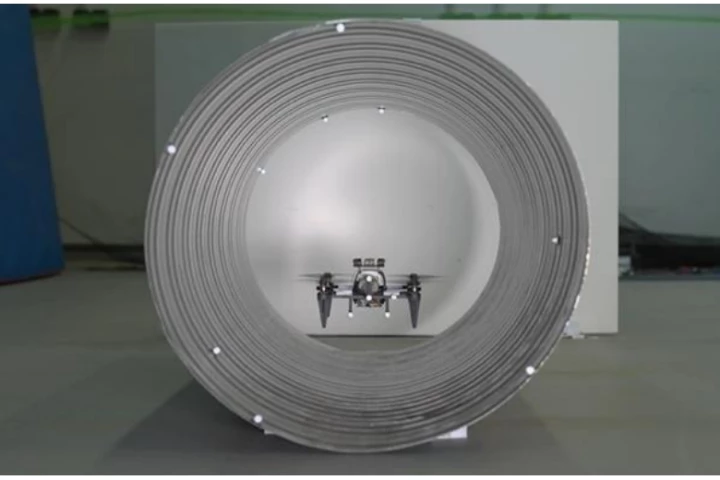 Drones are going full Die Hard as researchers from Inria, CNRS, the University of Lorraine, and Aix-Marseille University work on how to help quadcopters fly through ventilation ducts without getting lost or banging into the walls like a bean in a can.
 -
 It’s not just the Mulders of the world watching the skies anymore – the Scullys are getting involved. The US Department of Defense (DoD) has released its latest report on UFOs, with some intriguing stats and stories.
 -
 Gathering genetic material from treetops in tropical rainforests would be a near-impossible task to perform safely by hand. That's why scientists have developed a system that allows a drone to do the job, without even touching the trees itself.
 -
 Trees such as maples have "fruits" known as samaras, which consist of a seed joined to a papery wing. Scientists have now created artificial samaras, which could be used to quickly and easily monitor soil temperature from the air.
 -
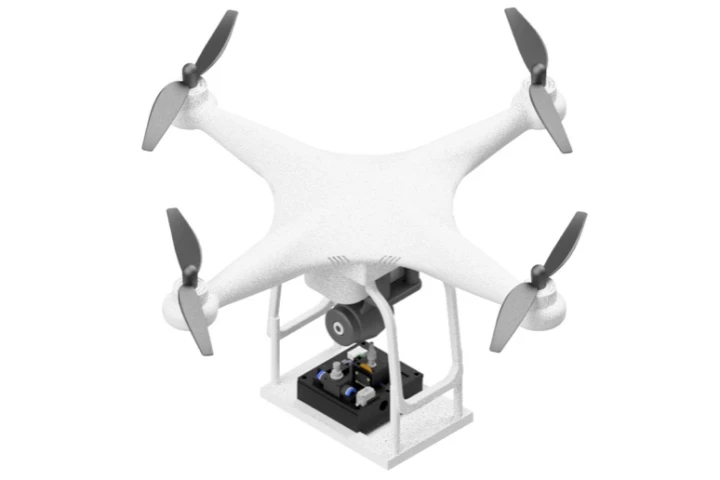 While it's important to track and quantify airborne pollutants, most gas sensors are located at ground level, not up where the pollutants spread. A new lab-on-a-drone system is designed to address that limitation, by taking the tech to the sky.
 -
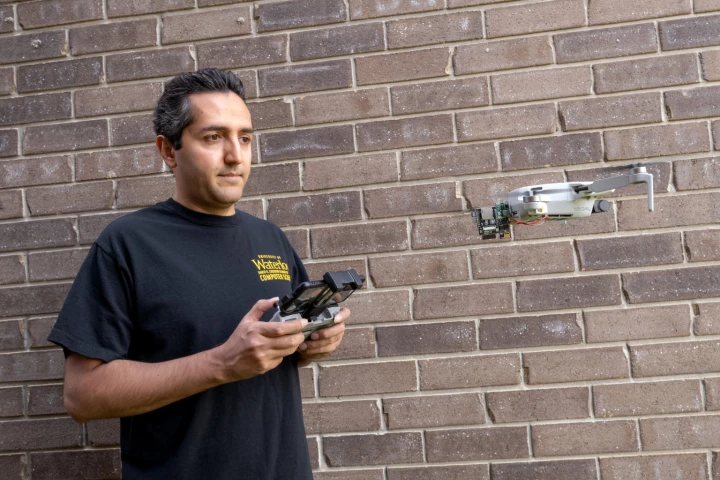 If someone were planning on burglarizing a building, it would help if they knew where valuable gadgets such as smart TVs were located. A drone equipped with a cheap "Wi-Peep" device could allow them to do so, by seeing through the building's walls.
 -
 If a drone were to inadvertently end up upside-down while flying, it would be good if the aircraft could automatically flip itself back over again, to avoid crashing. Such may someday be the case, thanks to a recent study on dragonfly flight.
 -
 While we hear a great deal about the huge patches of garbage that are floating on the world's oceans, there's even more trash lying on the seabed. The European Union-funded SeaClear project aims to gather much of it up, using autonomous robots.
 -
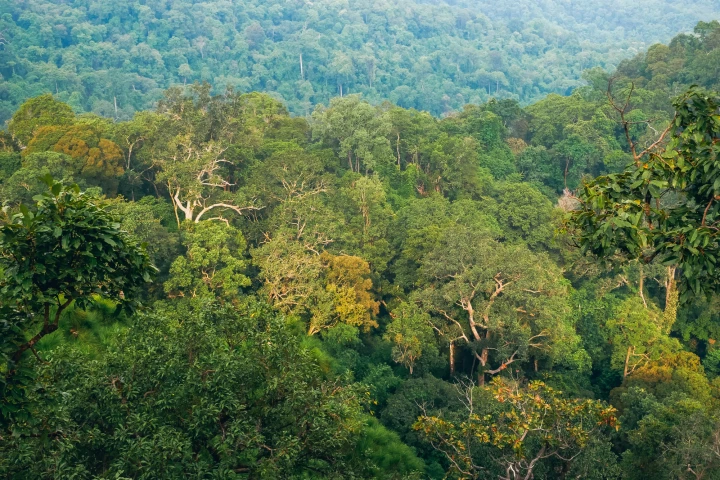 It can be hard enough for search parties to find human remains on open ground, but in dense forests, it's even more difficult. That's why scientists are now proposing the use of aerial drones, which would look for telltale changes in trees' leaves.
 -
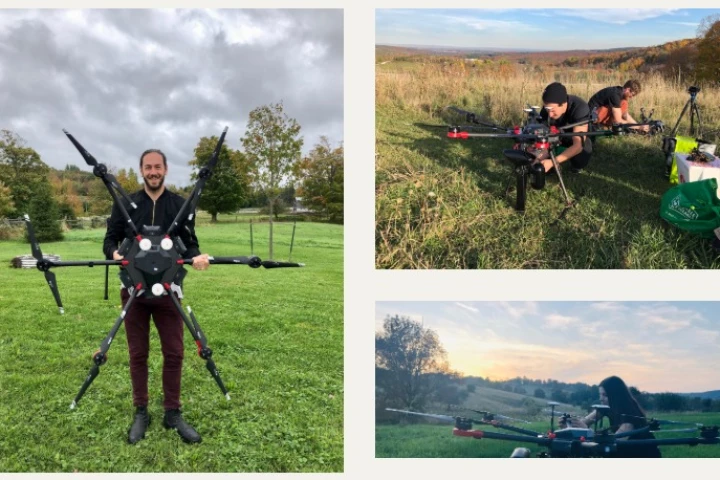 Flash Forest combines the use of drones with specially-designed pods and an accelerated seed germination process. The technology is said to plant trees 10 times faster than a single worker and at a cost that's 80 percent cheaper than traditional tree planting methods.
 -
 Scientists have discovered a massive “supercolony” of penguins in Antarctica by identifying dark guano stains in NASA satellite imagery. Following a visit to the site, the team used a specialized drone-assisted system to count the population, revealing a stunning 1.5 million Adélie Penguins.
 -
 Three years ago, scientists used Wi-Fi-equipped ground-based robots to obtain 2D images of objects hidden behind brick walls. Now, using aerial drones, they've obtained 3D images of similarly-hidden objects.
Load More