
Driving
-
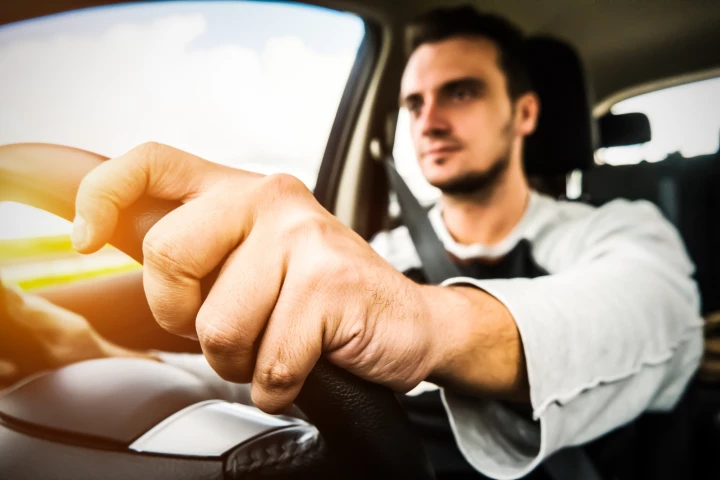 It's better to spot drunk drivers as soon as they get in their car, not once they've already been dangerously driving for some time. A new facial tracking system was created with that fact in mind, and it utilizes a regular in-vehicle video camera.
 -
 Older adults who are new to migraines are more than three times as likely to crash their motor vehicle in the first year after diagnosis than others. The findings highlight a new road risk for seniors who may benefit from counseling about safe driving.
 -
 A new study has identified a pattern of brain activity that seems to correlate with impairment from cannabis intoxication. The researchers suggest this novel brain-based biomarker could be a way to accurately measure THC impairment.
 -
 A new meta-study has concluded blood or saliva THC concentrations are not effective ways to measure cannabis-induced driving impairment. The findings indicate impairment tests should be developed instead of looking to develop a marijuana breathalyzer.
 -
 Machine learning has been used to develop algorithms that can analyze driving data and detect dementia in a driver. The researchers say it could be possible in the future to detect early signs of dementia using devices incorporated into car systems.
 -
 A study into the effects of cannabis on driving in a real-world context has found CBD alone does not impair driving ability. The landmark finding promises to be invaluable in guiding road safety regulations as cannabis laws shift across the globe.
 -
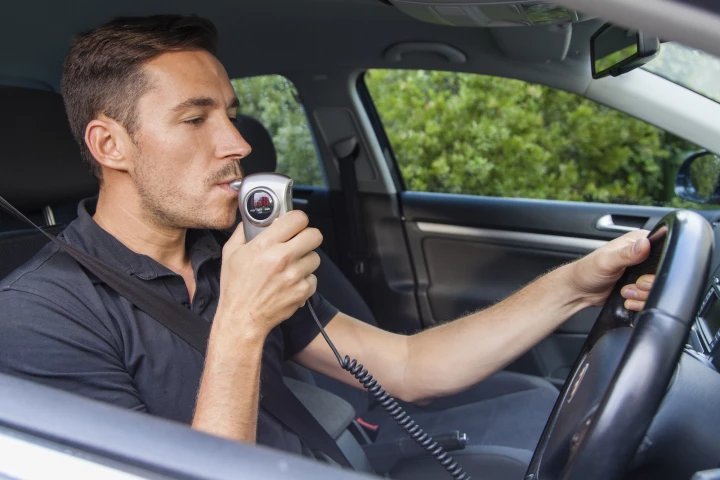 With marijuana breathalyzers closer than ever, authorities are arguing over whether THC levels correlate with driving impairment.
 -
 We've already seen numerous systems that can detect if drivers are getting drowsy. Now, however, engineering researchers at Canada's University of Waterloo have created software that can tell if the driver is engaging in distracting activities such as texting.
 -
 Recently, we got hold of an AlcoMate Revo breathalyzer by AK GlobalTech . The device is aimed at the consumer market, and uses a replaceable sensor module that eliminates the need for recalibration. We put it through its paces.
 -
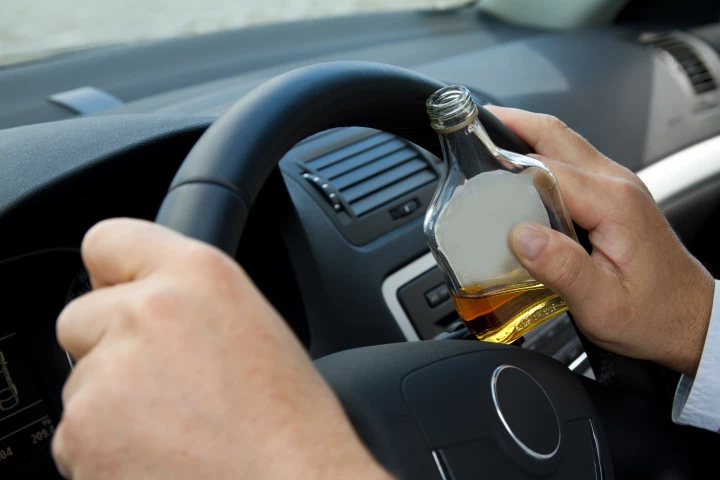 It used to be that the only way you could get a speeding ticket was if a police officer personally witnessed your overly-fast driving. Then photo radar came along. Well, when it comes to drunk driving, lasers could soon be the equivalent of photo radar.
 -
 Rain gauges are generally pretty accurate at measuring the amount of precipitation that has fallen at their location, but they can't be everywhere. With that in mind, researchers are looking at using cars to tell us how much water is coming from the sky.
 -
 The EcoSpeed app takes into account various factors, such as the number of traffic stops, speed limits and local traffic conditions, to plot the most fuel-efficient route.
Load More