
Drinking
-
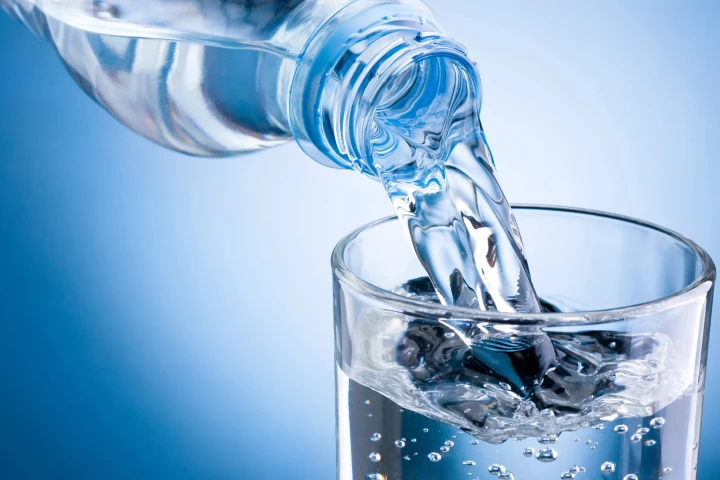 For the first time, researchers have shown how staying hydrated influences how our bodies react, hormonally, to stress, keeping cortisol in check and in turn lowering the risk of serious health conditions including heart disease, obesity and diabetes.
 -
 GLP-1 drugs have reportedly changed people's relationship with more than just food, but it's been largely anecdotal. Now, there's evidence that Ozempic blocks alcohol cravings – which could be a game-changer for people who want to cut back on booze.
 -
 Drinking water in developed countries is pretty clean, but hidden nasties can still lurk. One mysterious “phantom chemical” has haunted drinking water for decades, and now researchers have identified it – and found it’s completely new to science.
 -
 Scientists in Canada have demonstrated a promising new device that can purify a gallon of water a day, for just a few cents per gallon. Better yet, it’s made of old tires, and can even generate small amounts of electricity.
 -
 Social drinking causes a euphoria that isn’t seen when drinking alone, according to a new study. By identifying the region of the brain stimulated by social drinking, the researchers hope it will lead to a greater understanding of problem drinking.
 -
 It's better to spot drunk drivers as soon as they get in their car, not once they've already been dangerously driving for some time. A new facial tracking system was created with that fact in mind, and it utilizes a regular in-vehicle video camera.
 -
 If you enjoy having a drink with friends every so often but don't want to get drunk, then a new gel may be just what you're looking for. The ingestible substance is said to help keep alcohol from entering the bloodstream, and from damaging the liver.
 -
 It’s a safe assumption that we all know binge-drinking is not good for our general health. But a new study shows that one big alcohol-fueled session a week is significantly more harmful than spreading that same amount of drinks out over seven days.
 -
 A new study has found, for the first time, that consuming beverages that taste like beer or cocktails but contain no alcohol can significantly reduce alcohol intake, which may be an effective strategy for helping excessive drinkers cut back.
 -
 Researchers have discovered that a chemical in the brain makes alcohol taste bitter to women. It may explain the difference in drinking habits between the sexes and pave the way for novel treatments to help women curb excessive alcohol use.
 -
 Chlorine has long been used to disinfect drinking water but has been linked to health problems. In a new study, researchers looked at how the bacteria the purification process was designed to remove responded when chlorine was removed from the equation.
 -
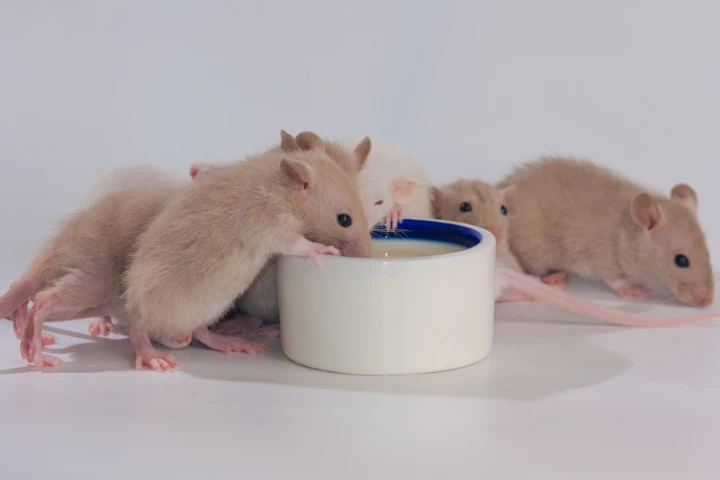 Researchers fed mice a probiotic designed to release an alcohol-metabolizing enzyme. Then they got them drunk. The results showed success in keeping the mice from getting too buzzed, and in helping them clear the alcohol from their systems faster.
Load More