
Disasters
-
 Inside the Exclusion Zone surrounding the Chornobyl nuclear plant, thousands of animals now roam freely. Among them are the stray dogs – around 900 descendants of the pets left behind, living in the shadow of the world’s worst nuclear disaster.
 -
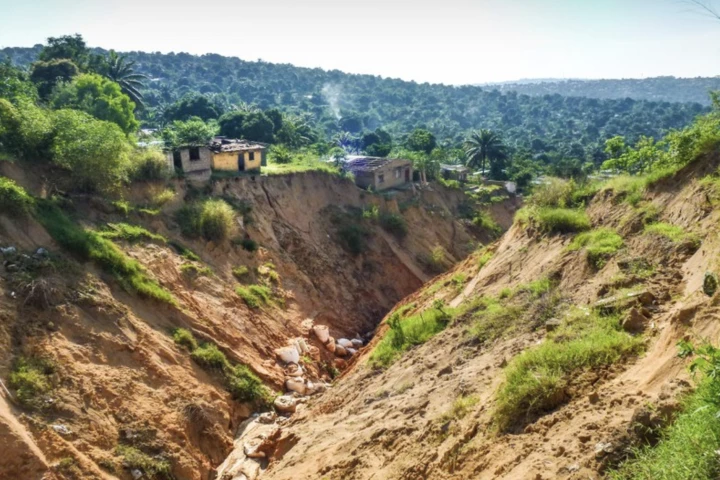 Nearly 3,000 growing chasms have opened up in dozens of towns, swallowing up roads and houses in their path. Known as urban gullies, these destructive forces of nature are increasing rapidly and now threaten to displace more than 3.2 million people.
 -
 The North Atlantic has a new title as the global hotspot for hurricane clusters, with the likelihood of multi-storm events forming here increasing tenfold in 46 years. It's the first clear picture of how Earth's warming has shifted cluster patterns.
 -
 The world's largest study into the long-term health impact of floods has found that there are surges in hospitalizations for months after an event – and current responses are inadequate when it comes to treating cancer, diabetes, mental health and more.
 -
 Excavations found that the brain of what seems to be a human male contained dark glass formed during the eruption of Mount Vesuvius in 79 CE. The effect can't be explained by lava temperatures alone, but rather a different event from the cataclysm.
 -
 When a bold male seabird threw caution to the wind to 'ride' a typhoon, it was the start of an 11-hour, 712-mile journey, taking him 15,000-ft higher and three times faster than usual. The bird survived and didn't lose any points off his flying licence.
 -
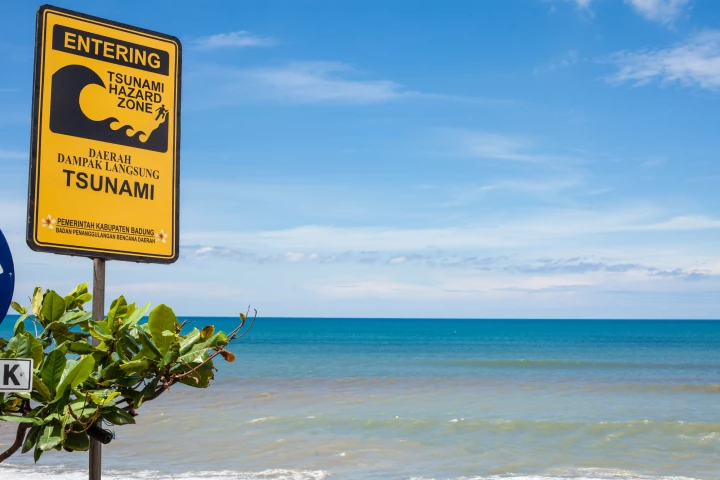 With the aid of arms control technology and artificial intelligence, a team of scientists at Cardiff University's School of Mathematics has developed a method that uses underwater microphones to provide early warnings of potentially deadly tsunamis.
 -
 Evolution occurs as species adapt to environmental pressures, and few environments exert pressures like the Chernobyl exclusion zone. A new study shows evolution in action as frogs within the radioactive region are turning blacker than those outside.
 -
 The frequency of natural disasters over the past two decades is almost double that of the 1980-1999 period, a new report from the UN has revealed, with extreme weather events driven by climate change accounting for a large portion of the uptick.
 -
 Despite raising the alert level weeks prior to the devastating events of Monday, the violent eruption on White Island was not one authorities were able to predict with any precision, owing to the type of delicate, steam-driven processes that led to its explosion.
 -
 A field study of the deadly 2014 landslide in Washington State is providing new insights into how such large-scale slides operate. A team from the US Geological Survey did detailed measurements and sampling of the post-disaster site, allowing them to build a detailed timescale of the event.
 -
 The unusually cold year of 1816 has been linked to one of the most powerful volcanic eruptions in recorded history, and now we may know how. A new paper explains how electrified ash from the eruption could have “short-circuited” the Earth’s ionosphere and triggered the “Year Without A Summer.”
Load More