
Disability
-
 There's been a significant rise in people diagnosed with autism spectrum disorder in recent years, with some 61.8 million cases worldwide. Experts are calling for better access to medical support as it moves into the top 10 of non-fatal health burdens.
 -
 Students with learning disabilities struggle often require additional, individualized support to fill educational gaps. A team of researchers and experts have found that a cute little robot may help children with learning disabilities stay focused.
 -
 A first-of-its-kind study has found adults with neurodevelopmental disabilities may experience improvements to symptoms of anxiety and depression after using specially designed virtual reality sensory rooms.
 -
 A study is underway investigating cannabis as a treatment for behavioral problems in intellectually disabled children. It's hoped the research will move into larger clinical trials following anecdotal reports that medicinal cannabis can reduce incidents of aggression and self-harm in children.
 -
 In recent years, a brain-computer interface (BCI) developed by the US BrainGate consortium has allowed people to control a robotic arm and to type, using only their thoughts. Now, a group of paralyzed volunteers has utilized the technology to perform various functions on a tablet.
 -
 Researchers at Caltech have induced a range of sensations in the arm of a paralyzed man. Electrodes implanted in the brain stimulated the neurons to produce different feelings. The research could eventually lead to prosthetic limbs that allow users to feel realistic sensations through them.
 -
 People with limited mobility often require care workers to help them in and out of the shower, which is certainly not ideal for their self-esteem. That's why the Poseidon robotic shower was created. It allows users to shower on their own, depending on the nature of their physical challenge.
 -
 Duchenne muscular dystrophy causes the victim's muscles to shrink throughout their lifetime, often to the point that the arms and legs can't be used at all. That's why the A-Gear project is designing two arm-worn exoskeletons, intended to help Duchenne patients retain the use of their arms.
 -
 We've seen a number of technologies that speak on behalf of paralyzed people, using cues as subtle as eye movements. Now, researchers at Britain's Loughborough University have created a system that speaks words based on the user's breathing.
 -
 Aimed at those with MS, spinal cord injuries, or complete paraplegics, the TheraTryke is a therapeutic and recreation recumbent bike that is designed to let riders use their hands, feet or a combination of both together to propel themselves forward.
 -
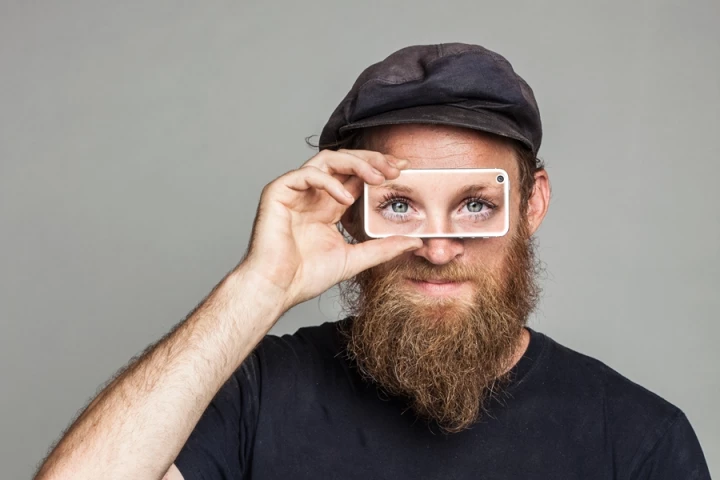 Although blind people are generally capable of going about things unaided, there are times when seeing something is a necessity. A new mobile app aims to help the blind in those situations. Be My Eyes connects individuals in need of visual assistance with sighted volunteers via a video call.
 -
 One in six of us will have a stroke in our lifetime, making it a leading cause of death and disability. A study using specially adapted Wii games has resulted in significant improvement in arm movement for some stroke survivors and could pave the way for improved community-based rehabilitation.
Load More