
Digital music
-
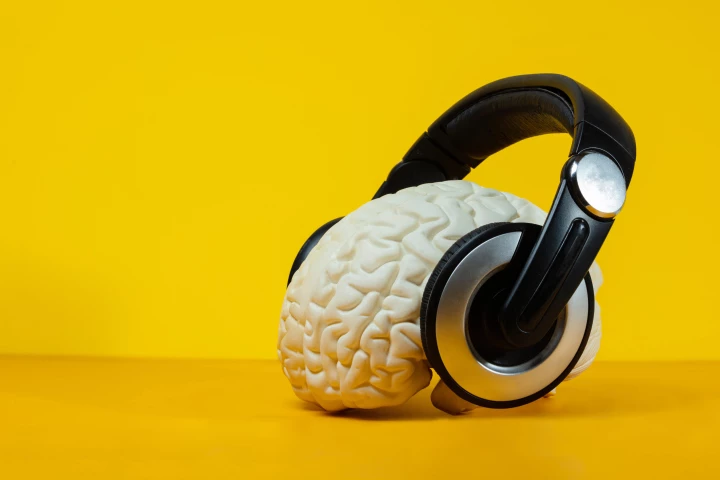 Listening to or playing music later in life could do more than lift your spirits – it might also help keep your mind sharp. A large study has found that older adults who regularly engage with music have significantly lower rates of cognitive decline.
 -
 What happens in your brain when you listen to your favorite music? Can hearing a nostalgic song from your youth actually improve your cognitive health and help fight off conditions like Alzheimer's? Several neuroscientists are trying to find out.
 -
 A new study has found listening to our favorite music and the emotional responses it produces, particularly if it’s bittersweet, is more effective at reducing our perception of pain than unfamiliar relaxation music.
 -
 A new review has examined a dozen studies into the effect of Mozart’s music on epilepsy, finding the classical music may reduce the frequency of seizures. It rekindles an old pseudoscientific idea that listening to Mozart can make you smarter.
 -
 The vast majority of neural growth for a baby occurs during the last trimester of a pregnancy. An exciting new study has demonstrated how specially composed music can aid brain growth in premature babies, resulting in neural development similar to that of full-term infants.
 -
 If you enjoy moving your hands as if you're conducting a piece of music that you like, then SoundTracer may be right up your alley. The experimental new iOS app allows you to find a song within a digital library, by "drawing" that music in the air with your phone.
 -
 Voyager 1 has already racked up an impressive resume to which can be added songwriter. Using data from the unmanned spacecraft, Dr Domenico Vicinanza and Dr Genevieve Williams have created a musical composition to celebrate the 40th anniversary of the pathfinding mission.
 -
 Simulations suggested that the crowded TRAPPIST-1 system is due to come to a catastrophic climax in the next million years. But new research has found that TRAPPIST’s worlds orbit in what’s called a “resonant chain,” which keeps the system stable – and has been translated into a piece of music.
 -
 Apparently, if you take the data coming from one of the LHC's collision chambers and fool with it a bit, you can actually listen to music being made by protons colliding. That's exactly what a new project called the Quantizer has done – and you can listen in.