
Detection
-
 While it's very important to know if a "date rape" drug has been sneaked into your drink, whipping out a full test kit in a bar may be time-consuming. That's why scientists have developed a temporary tattoo that can detect such drugs in one second.
 -
 If you've watched even a single episode of CSI, you'll know how important it is to check suspects and crime scenes for gunshot residue (GSR). A new technique could make that task faster and easier than ever before, by causing GSR to glow green.
 -
 The first satellite in a constellation designed specifically to locate wildfires early and precisely anywhere on the planet has now reached Earth's orbit, and it could forever change how we tackle unplanned infernos.
 -
 While people are becoming concerned about microplastic pollution in their drinking water, it's one of those things that the average person can't check for themselves. That could soon change, however, if a new prototype device reaches production.
 -
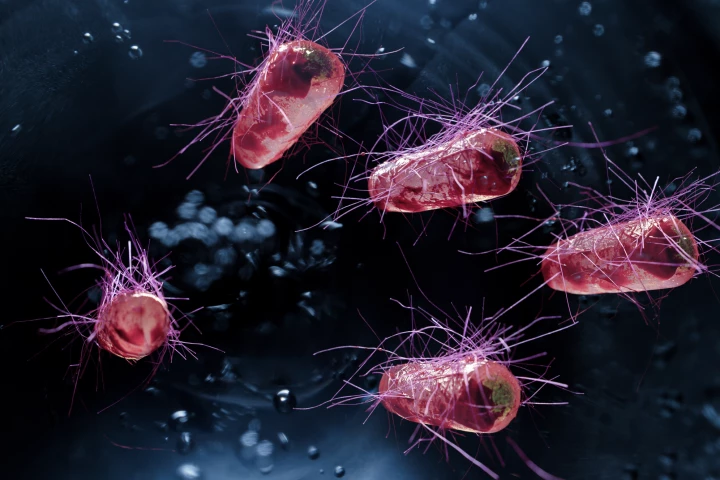 It's ironic that in places where drinking water needs to be checked for microbes the most, labs that can perform the analysis are least likely to be present. A new "lensless" device could help, as it uses light to detect harmful microorganisms.
 -
 The FDA has granted clearance to the first AI-powered medical device to assist physicians in detecting all 3 common skin cancers. Providing a more accurate way of identifying skin cancer will enable patients to access necessary treatment more quickly.
 -
 When doctors want to see if someone has a certain illness, they may check the patient's blood or urine for the DNA of a specific virus or bacteria, or for a mutated version of the person's own DNA. A new device should make doing so much easier.
 -
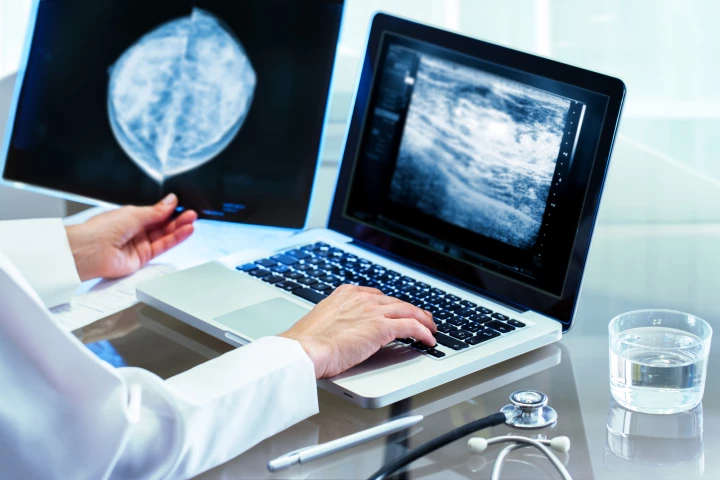 A new study found that a single radiologist screening mammograms picked up more incidents of breast cancer when supported by AI. The researchers say an AI-supported approach would be a safe alternative to having two radiologists read the scans.
 -
 While it's very important to track malaria infections in at-risk populations, drawing and analyzing blood samples can be problematic. A new device is designed to help, as it uses light to detect the disease within a matter of seconds.
 -
 A fascinating new study suggests trained ants could be an effective way to detect cancer in humans. The researchers demonstrated a certain species of ant can be quickly trained to detect cancerous cells with an accuracy equal to that seen in dogs.
 -
 When someone is really intoxicated, they may not be very cooperative when told to blow into a breathalyzer. There could soon be a more passive but just as accurate alternative, though, in the form of an earmuff that measures blood alcohol levels.
 -
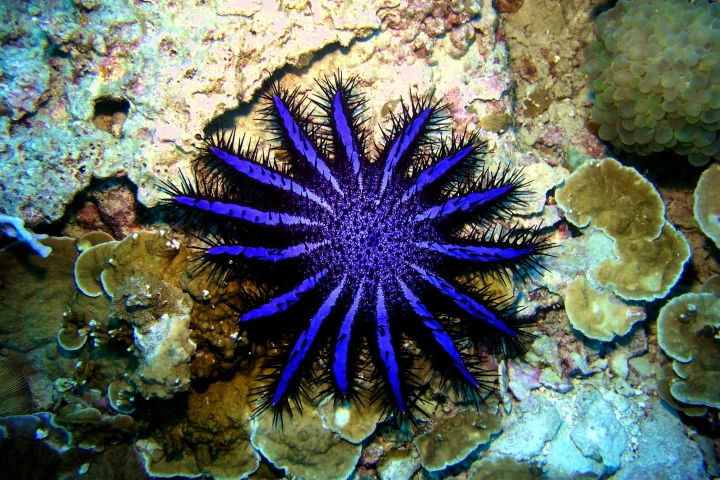 As if they don't already face enough challenges from bleaching, many of the world's coral reefs are currently being eaten by the crown-of-thorns starfish. A simple new portable test kit, however, could detect their presence sooner than ever before.
Load More