
Dengue
-
 An antiviral targeting the dengue virus was quietly abandoned by industry, but it's now suddenly back in the spotlight. A new study suggests it didn’t just slow the dengue virus, it blocked viral replication and reduced infection rates at high doses.
 -
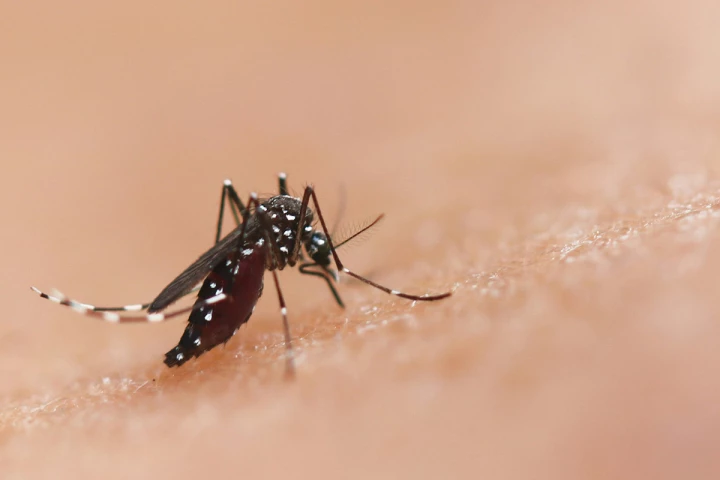 Mosquitoes looking to mate in Australia are about to have the worst sex of their lives – thanks to genetic modifications turning their semen toxic. That could kill females swiftly, and greatly reduce their ability to spread deadly diseases.
 -
 They're the deadliest animals on Earth, spreading diseases such as malaria, chikungunya and yellow fever and causing more than 350 million illnesses in humans each year. Our latest weapon in the war on mosquitoes could be a cheap, abundant biomaterial.
 -
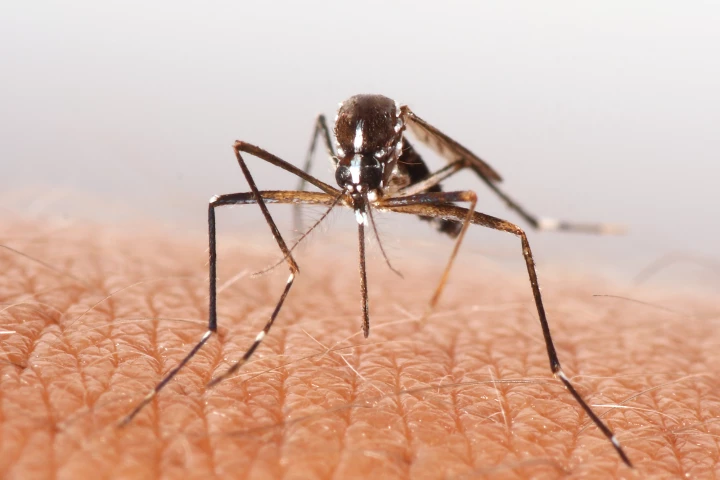 Environmental modification has a flow-on effect on natural ecosystems, including the insects that carry disease. For the first time, researchers have shown how environmental change affects the transmission of insect-borne diseases.
 -
 For studies on insect-borne diseases, many a human has sacrificed an arm in a tank full of mosquitos. Now, a new artificial skin filled with real blood might spare humans the itchy bites, while providing a greater insight into mosquito behavior.
 -
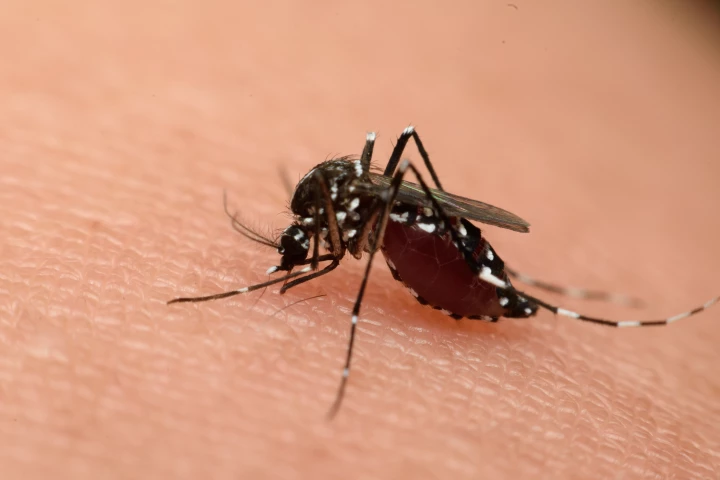 Researchers have discovered how some viruses can alter the smell of their host in order to attract mosquitoes. A study found dengue and Zika viruses can alter a host’s skin microbiome to enhance the volume of odor molecules that draw in mosquitoes.
 -
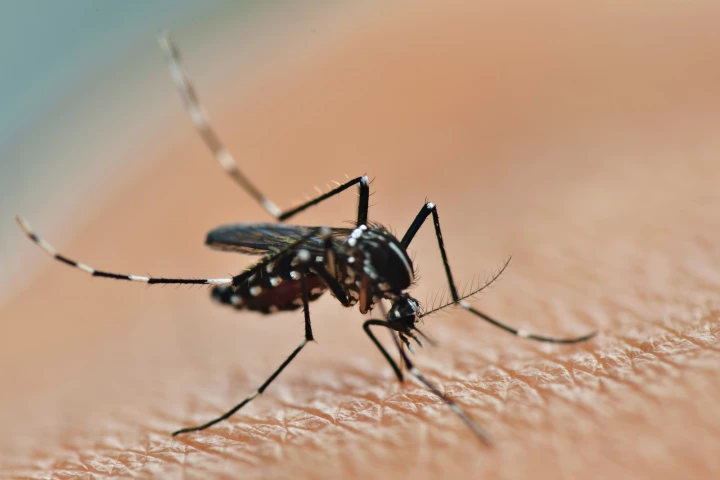 Scientists at Australia's Commonwealth Scientific and Industrial Research Organisation (CSIRO) have genetically engineered the first breed of mosquitoes with resistance to all four serotypes of dengue fever.
 -
 Researchers from MIT claim to have developed an easy-to-use blood test that can be applied in the field, allowing for the screening of multiple diseases. The test is said to provide results in around 10 minutes, and could be instrumental in stopping the epidemic spread of diseases such as Ebola.
 -
 The Eliminate Dengue challenge moves to Brazil after a successful trial run in Australia. Its main tool to fight dengue is a common bacteria called Wolbachia.